
Monstrous
There’s more to fantasy and monsters than Zeus, Beowulf, Medusa and even the MOnkey King.
For better or for worse (mostly worse), most English-language fantasy nerds’ ground zero for all arts fantastical is the holy trinity of Greek mythology, Marvel/DC comics, and The Lord of the Rings. The more curious latched onto the likes of Akira and other Japanese manga in the 1980s, basked in the glow of old school wuxia and martial arts tales, or rushed out to see Bong Joon-ho’s The Host when it came out. M+’s latest deep dive into the region’s visual culture aims to reset the assumption that fantasy is all about Hobbits and Spider-Man with Myths and Monsters: The Art of Fantasy in Asia (running October 17 to April 4, 2027). The exhibition spans culture from the last 200 years, and encompasses pre-modern mythologies, surrealism, anime and manga, games and conventional painting among other disciplines, and more critically interrogates its influence on art and culture in general, starting in the 1800s. The 400+ individual pieces (plus a series of films including Pan’s Labyrinth, Border and The Host) examine the images that have surrounded us all for decades, and the symbolism held within them – and how it’s evolved. From Chinese deity Zhong Kui (the basis for Oscar Chan Yik-long’s newly commissioned mural Fear Catcher) to Godzilla and Ultraman, the exhibition demonstrates how these now iconic figures have dominated, inspired and defined the public consciousness and also had an impact around the world.
“Myths and Monsters examines how fantastical storytelling has been imagined, appropriated, and transformed across the region for more than two centuries. From mythological epics and religious cosmologies to manga, anime, and beyond, the exhibition traces the evolving visual languages of fantasy in dialogue with shifting cultural, social, and political contexts,” says co-curator and M+ curator of visual art Isabella Tam in a statement. “We hope visitors will not only encounter the richness of Asia’s visual culture but also reflect on how fantasy continues to shape contemporary life – and how it offers new ways of seeing, questioning, and imagining the world around us.”
Myths and Monsters is broken into four sections: “Spirits Among Us: Fantasy in the 1800s”, “Strange Realities: Surrealism and Asia”, “From Godzilla to Ghost in the Shell: Fantasy Meets Pop Culture” and “New Mythologies: Asian Fantasy Goes Global”. And really, is there a better place to start than in the pre-modern 19th century? Asia, like most civilisations, is home to scads of legends about deities and powerful creatures now the stuff of movies and series – an exhibition could be dedicated to India’s Ramayana alone – and it’s these often supernatural beings that inform the region’s folklore and religions. The fables, adventures and epics these beings “starred” in were the easiest way to debate taboos and sociopolitical conditions (some things never change), making it the ideal jumping off point for “Spirits Among Us” and for understanding the role of fantasy in Japanese ukiyo-e woodblock prints all the way to Tibetan Buddhist thangkas.
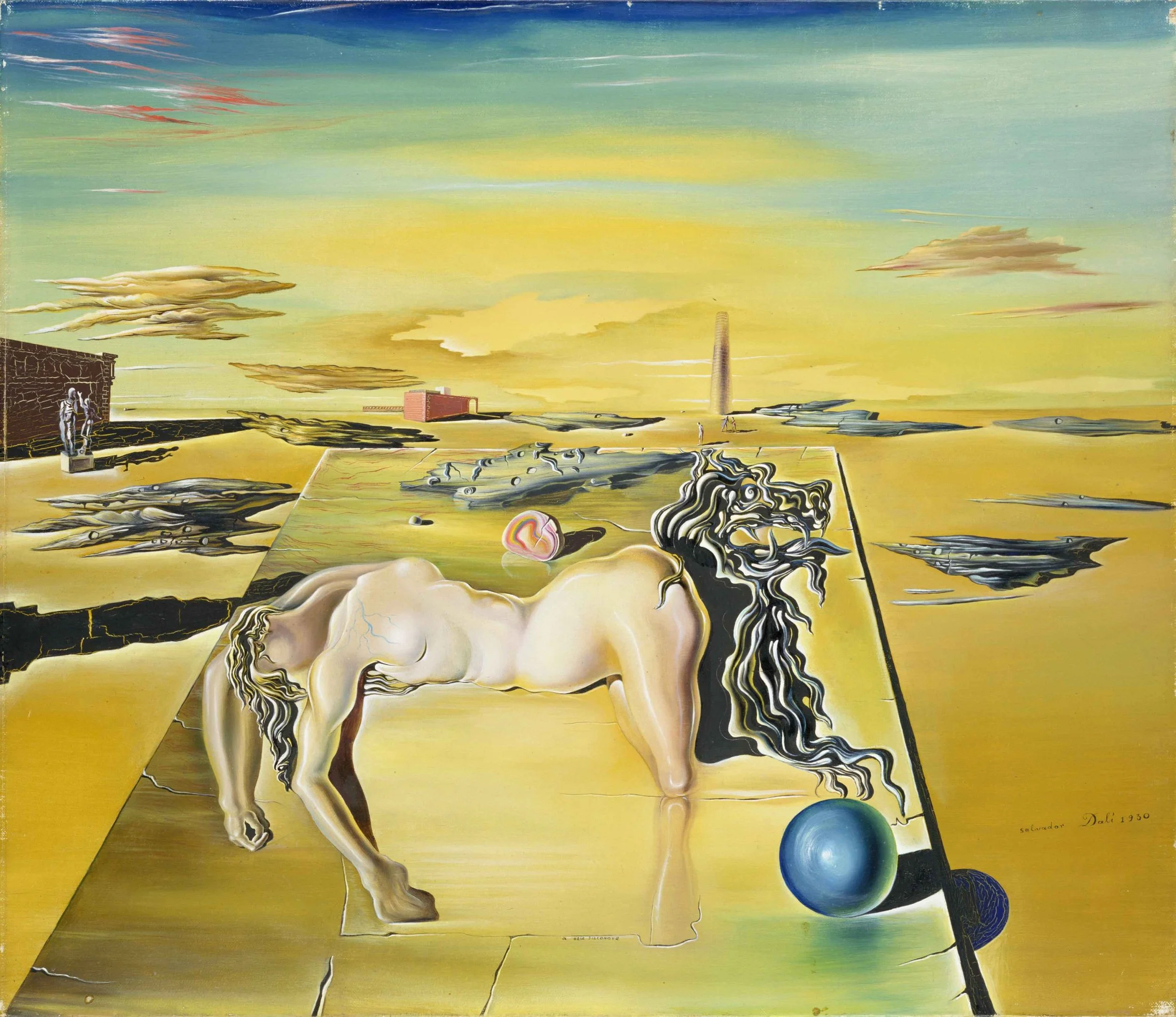
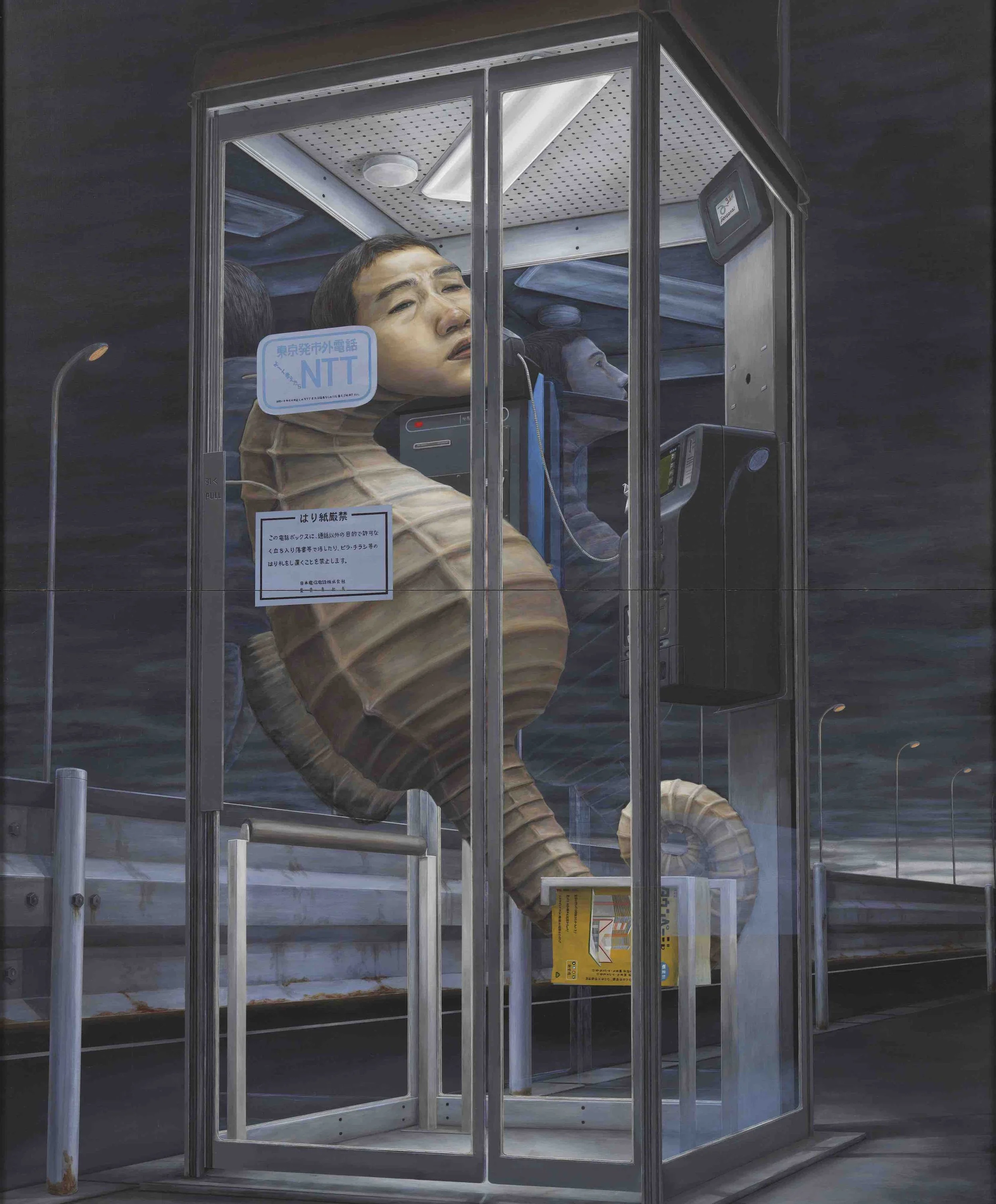
“Strange Realities” dives into the surrealist movement is it manifested in Asia after emerging in post-First World War Europe. The early 20th century was a boom time for artists and writers travelling around the world and absorbing new practices, and Asian artists in Europe at the time enthusiastically adopted surrealist principles. Spanish artist Salvador Dalí remains the most famous figure in the movement (Dalí’s Dormeuse, cheval, lion, 1930, above, left), and he was among the artists inspiring their Asian counterparts (Taro Okamoto, Kim Younghwan, Pratuang Emjaroen, Harue Koga) to create a surreal language rooted in Asian culture and experience (akin to Tetsuya Ishida’s Distance, 1999 above, right).
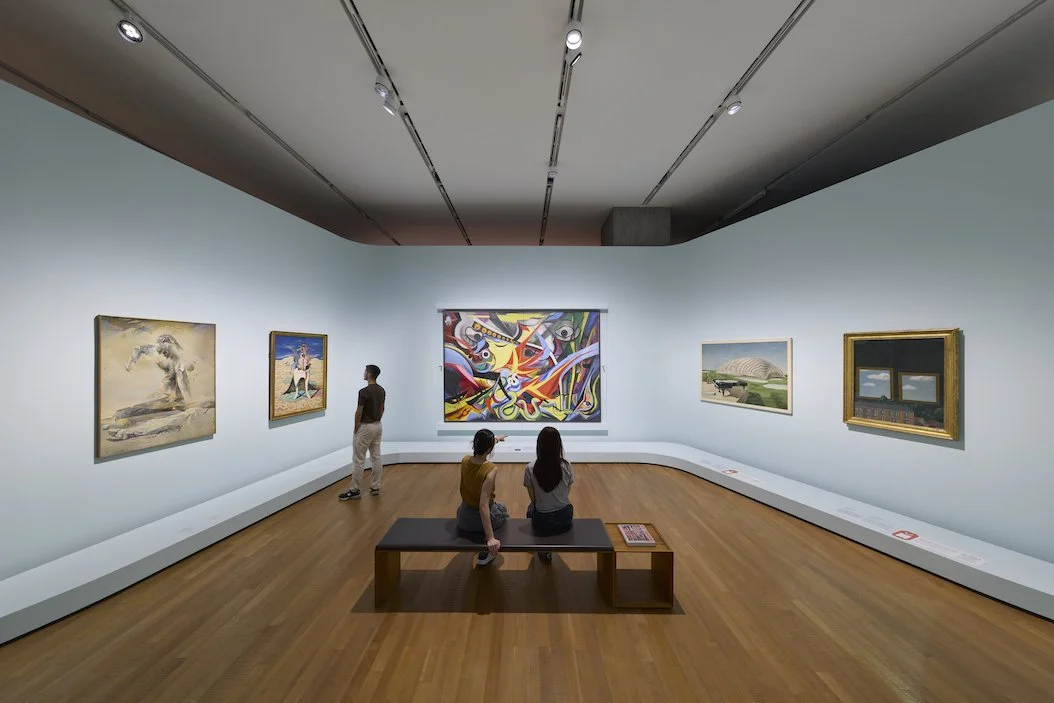
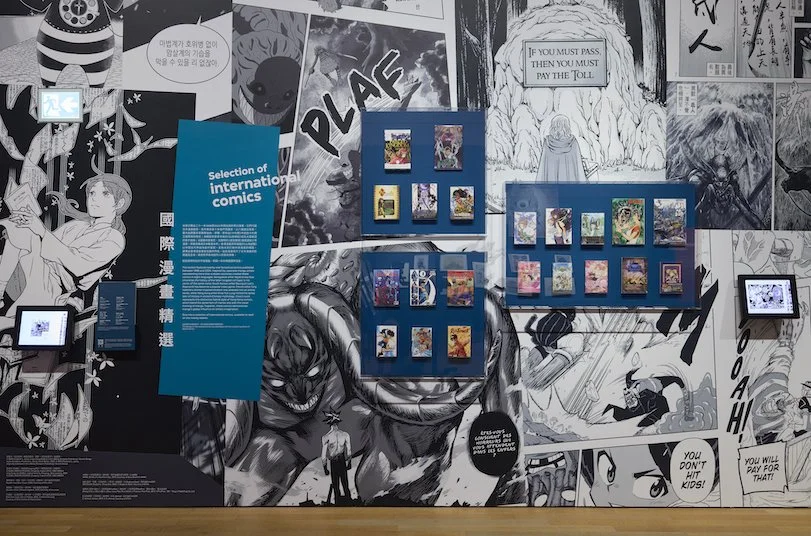
“From Godzilla to Ghost in the Shell” explores the years following the Second World War, and the period when atomic-influenced Japan saw its pop culture explode worldwide. Godzilla – or Gojira – is the mother of all Japanese icons, but Father of Manga Tezuka Osamu’s Astroboy launched two years before Ishiro Honda’s first Godzilla film did in 1954. Both contributed to the concept of using fantasy as a way to process grief, trauma and social turbulence, metaphors we continue to use to this day in the likes of the X-Men, K-horror such as Na Hong-jin’s The Wailing and any zombie media. On display in this section are manga, anime, video games, paintings and drawings (like a background painting from Mamoru Oshii’s Ghost in the Shell) showing off these metapors.
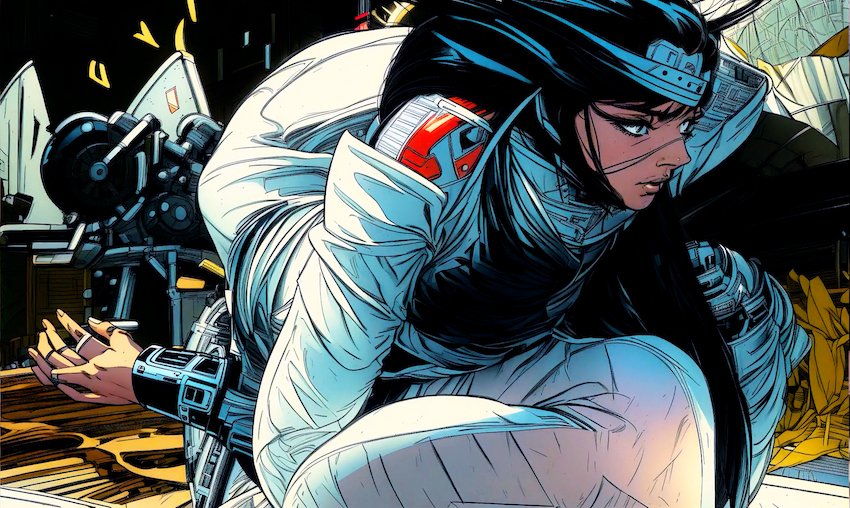
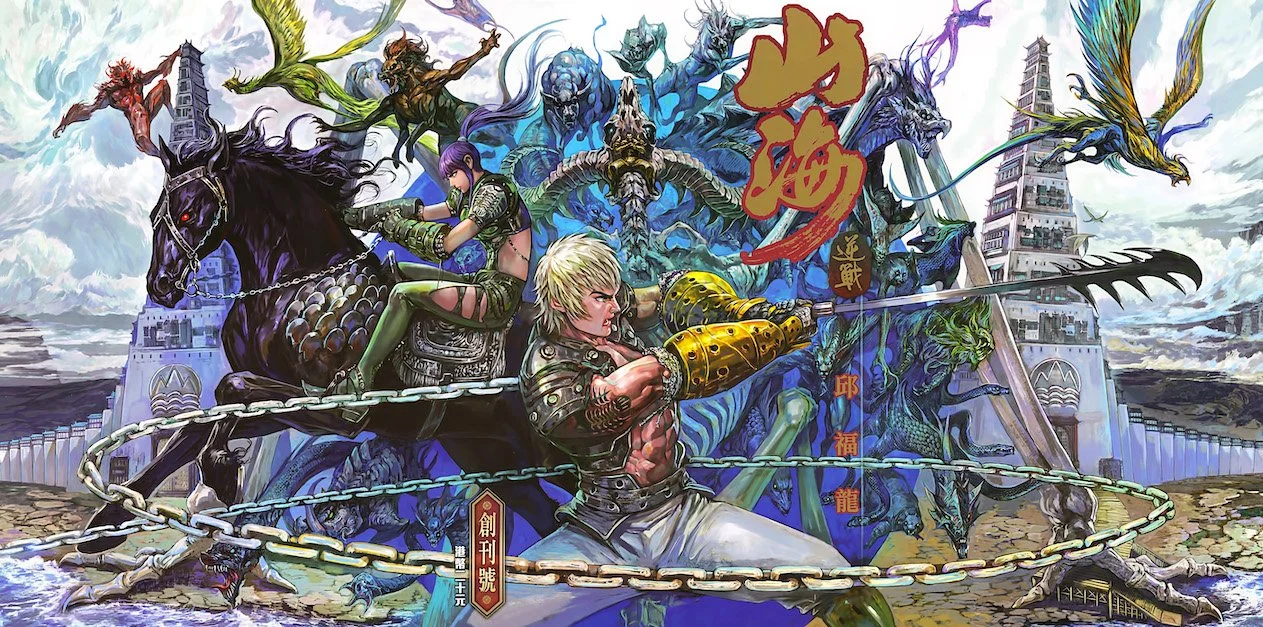
Last but not least, rounding out the exhibition is “New Mythologies”, which takes a survey of Asian fantasy culture in the wild of the current, internationalised cultural landscape. The shitshow that is the world right now is increasingly being interpreted through a historical lens by classical and digital artists, designers, architects and moving image creators. Almost all are wrestling with issues ranging from identity, expression, existential angst and our collective relationship with technology, and they’re filtering their ideas through existing mythologies. Creating new and resonant works are Fujimori Terunobu, Ayoung Kim (Dancer in the Mirror Field, 2026, below, left), Lawrence Lek, Takashi Murakami, Ho Tzu Nyen, Khoo Fuk Lung (War of History, Vol. 1, 2016, below, right), Philippe Parreno and Rirkrit Tiravanija. As a start.
“Myths and Monsters… offers fresh insights into the region’s creative contributions to global cultural history and their enduring influence on new generations,” says M+ director Suhanya Raffel. “As AI‑generated imagery, virtual avatars, gaming and cinematic universes saturate everyday life, this timely presentation illuminates how artists in Asia use fantasy to address socio‑political realities across time.”
Myths and Monsters: The Art of Fantasy in Asia
Where: M+, West Gallery
Hours: October 17 to April 4, 2026, 10am-6pm; Fridays 10am-10pm
Closed: Mondays
Details: Tickets HK$190; students, seniors 60+, children 7-11, CSSA recipients HK$100. Full ticketing details at M+