
Filmmaker Sunny Chan and academic Kristof Van den Troost dive into the shady world of the UC. It’s not like the movies… but it is.
According to writer and filmmaker Sunny Chan Wing-san (Table for Six, Men on the Dragon), Hong Kong has a unique relationship to the undercover cop actioner. Back in the late 1970s and 1980s, the stars aligned to set the table for the Hong Kong New Wave and the vivid period that gave us bonkers comedy hybrids (Aces Go Places, God of Gamblers), horror and hopping vampires, the geungsih (Encounters of the Spooky Kind, Mr Vampire), kung fu and the break out of Jackie Chan (they still love him in Locarno) and, of course, the crime thriller (The Killer, A Moment of Romance, and yes that’s from 1990 but that last shot makes it a stone classic). Under the crime thriller umbrella is the undercover cop drama, inordinately represented in Hong Kong, and which went a long way to giving Hong Kong films of the time the kind of cultural sway that influenced American indies (Quentin Tarantino’s Reservoir Dogs) and kick-started the Korean crime thriller wave. Let’s face it: A Bittersweet Life doesn’t exist without the earlier Moment. How did that happen?
“This is a great question and a hard question, but I think it’s because back in the ’90s, we had two of the best possible resources,” begins Chan. “First we had kung fu and second we had Hollywood movie-making influences. The two blended together and created the unique brand of Hong Kong action movie.” On top of that, Hong Kong’s commercially-minded market demanded returns, which demanded great action at high standards. “The result of all these elements was great, over the top extravaganzas.” The off-shoot was the grittier, more dramatic UC thriller, which is the subject of Undercover Underworld (until October) at Tai Kwun. Co-curated by creative director Chan and Chinese University of Hong Kong assistant professor (at the Centre for China Studies) Kristof Van den Troost (author of Hong Kong Crime Films: Criminal Realism, Censorship and Society, 1947-1986), with help from the Federation of Hong Kong Filmmakers, the exhibition is a two-tiered exploration of the real world of covert operations and the defining films that portrayed that world.

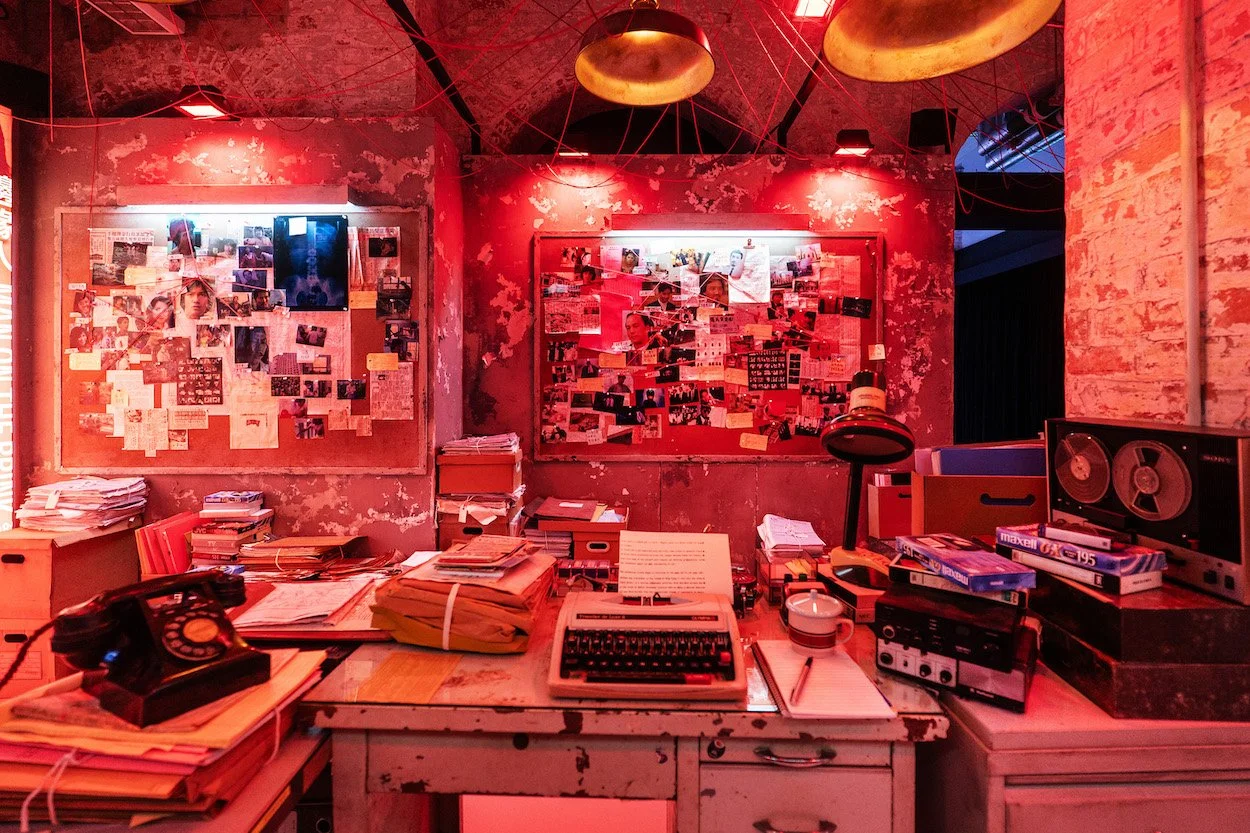
True, some of the films Chan and Van den Troost selected are all-timers, and examining the undercover agent as part of a larger film movement is all fine and dandy, but what makes Undercover Underworld anything other than a recruitment ad for the police department, or for that matter copaganda? In 2025, people everywhere are wary of the badge. For Chan it was easy. “First and foremost, I’m a filmmaker. So this is my tribute to classic movies,” in a space that’s inseparable from their content: the old police headquarters, ground zero for crime drama.
“I wouldn’t say that the films either glorify the police or make them look bad,” adds Van den Troost. “At their best they’re complex psychological stories … often deal with the complexity of policing, dealing in the grey areas, asking questions about justice, the relationship with gangs, the function of alcohol and especially in films from the ’80s, colonial politics.” There was plenty of schlock produced in the ’80s and ’90s, but a healthy handful wound up dealing with those headier issues. But it was the visual aesthetic that got the world’s attention, something Undercover Underworld balances alongside the roots of the genre and the real world impact of covert work. Van den Troost points to how censorship rules evolved from the 1950s and merged with emerging filmmaking processes to create the local crime film, a beast all its own that critic David Bordwell famously (and not so innovatively) dubbed Hong Kong Cinema; what lay persons called bananas, bonkers or batshit. In a good way.
“It was different from the Hollywood tradition … and what really set Hong Kong apart was this sort of over-the-top action, and not just the choreography of the action and how it was shot, but also going beyond the limits and doing the things that you shouldn’t do; breaking these unspoken rules,” says Van den Troost. “Hong Kong cinema just pushed through. I think that is what [generated] the international recognition.”

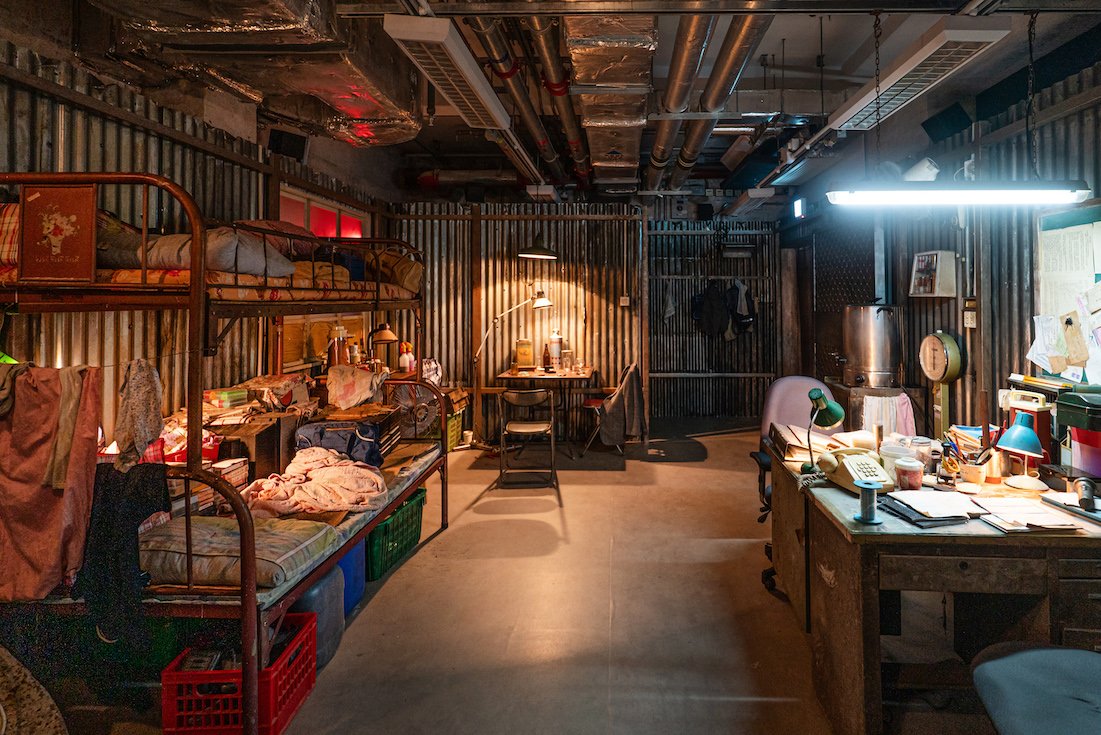
Undercover Underworld is an immersive look at the life of the undercover agent in cinema and the production techniques that went into doing just that. The action, so to speak, begins with the first “scene” of 10, an interview room from the almost lost classic that gave birth to the sub-genre, Alex Cheung Kwok-ming’s 1981 Man on the Brink and continues in “Mindmap”, a legit evidence wall (there’s red string and everything) breaking the films’ stories. More film theory comes later in a spotlight on Clarence Fok’s Century of the Dragon dissecting classic undercover plots. Chan and Van den Troost also tapped Ringo Lam’s climactic gunfight in City on Fire, CCTV surveillance and psychological examination from Andrew Lau and Alan Mak’s Infernal Affairs – both of which gained imitation (Tarantino) and remake (Martin Scorsese’s The Departed) traction in Hollywood – Chow’s famous tea house shoot-out from John Woo’s Hard Boiled, and cap it with an homage to action filmmaking via Benny Chan’s The White Storm and a fidgety car wreck recreation. “This is a historical site so we couldn’t knock out walls,” notes Chan. “Building this took a lot of work.” The exhibition includes a reference to the heavily memed scene from Protégé, discussing the metaphoric meaning of caviar, and a wall of original scripts, storyboards and awards. The real end point is the phone booth (remember those?) from A Better Tomorrow 2, where Leslie Cheung’s UC Kit died, overlooking the city. Mixed in with the artefacts are Alan Chan’s corridor-long mural, video commentaries and interviews with filmmakers including Mak, Woo, Louis Koo and composer Peter Kam, with former real undercover cops, and random factoids that serve as reminders that this is fantasy. You can’t believe everything you see in the movies, because yeah. Transnational covert ops don’t exist and never did. Tracing the path of the UC from creating a new identity to getting lost in it was crucial to completing the bigger picture for Chan. Like the city itself, “Undercover agents exist in the crack between black and white, shadow and light, evil and justice, waging a constant war on the side of humanity. That tussle has been the stuff of drama through the ages.”
No film retrospective would be complete without getting a chance to actually see some of the films (including Man on the Brink), and to that end Tai Kwun Movie Steps will be screening a select few for free when it cools down in October. That pleases Chan. “I want everybody to know that movies are a very important part of our culture, that you don’t just see a movie and leave. There’s much more to explore. On top of that the films we selected were made for the big screen, for the theatre.” It’s not IMAX but it’s not nothing.
Undercover Underworld
Where: Duplex Studio, Block 01, Police Headquarters Block, LG1 & 2/F, Tai Kwun
Hours: Through October 5, 2025; Daily, 11am-7pm
Closed: N/A
Details: $25 regular tickets; $15 concessions