
Being on the outside looking in is perfectly fine with India-born, Japan-based filmmaker Anshul Chauhan.
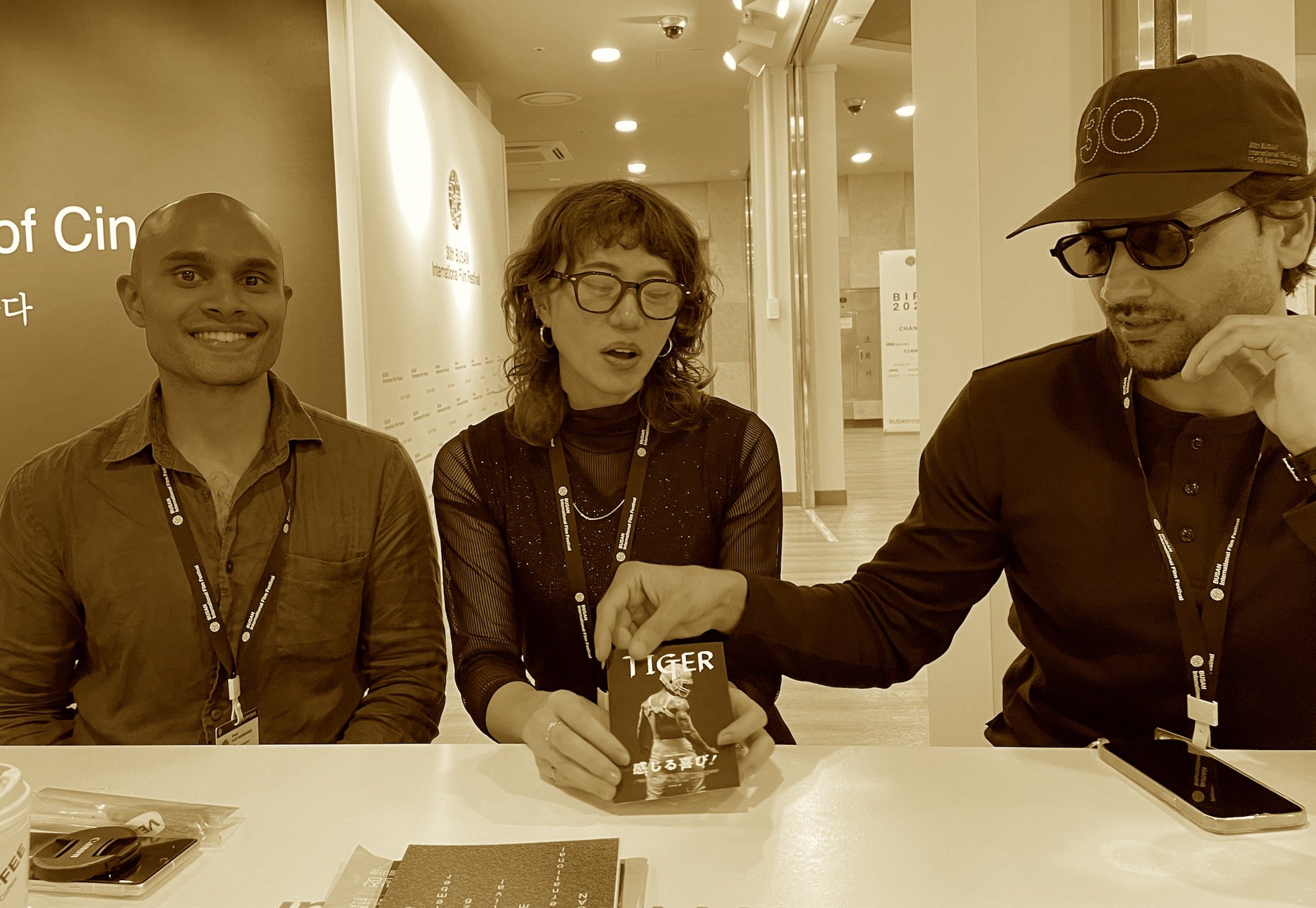
DOP Vinod Vijayasankaran, producer Mina Moteki and director Anshul Chauhan
Despite cinemas seemingly flooded with inappropriate yet oddly fantastical romances and a parade of terminal illnesses, independent cinema in Japan is not dead. Plenty of directors are finding ways to get films they want to make made, among them Sho Miyake, Ryusuke Hamaguchi, Shinichiro Ueda, Yoko Yamanaka and … Anshul Chauhan. If that doesn’t sound like a typically Japanese name, well. It’s not, and Japan has an Indian filmmaker contributing to the minor surge in the country’s indie film scene. That’s not surprising given cinema’s long history of transnationalism. The French invented movies (which they’ll remind you of at every opportunity). Long before there was an EU European filmmakers were hopping borders. Thai director Pen-ek Ratanaruang’s work with Australian cinematographer Christopher Doyle and Japanese actor Tadanobu Asano is just one of the more prominent pan-APAC artistic swaps. And creatives from all corners have been pouring into Hollywood for 100 years, essentially making the industry what it is (immigrants getting it done. Again.). So Chauhan’s road to Tokyo isn’t by any means unusual. It’s just unusual for what’s commonly perceived as a tight, closed society.
Chauhan started his career as an animator in 2007 at home in India, working for the likes of Paprika Studios, Cartoon Network, Nickelodeon, the BBC and on the occasional feature film. “Then I got a call from Polygon in Tokyo to work on a Disney TV show. They were doing their first English-language show and required [animators] who could understand the English dialogue. That’s how I ended up in Tokyo in 2011,” he begins. At some point Chauhan decided it was time to make his own films, and so after immersing himself in work by indie titans Majid Majidi, Abbas Kiarostami, Jafar Panahi, Harmony Korine, Shunji Iwai and Hirokazu Kore-Eda he taught himself the ins and outs of production, work with crews and self-distribution. Eventually he founded Kowatanda Films, linked with producer Mina Moteki, made a handful of shorts and a doc (Shamra (Dry State Diaries)), and left animation behind – for now. “I want to [make an animated film] someday, but it isn’t easy. You need a big team, it takes two, three years to put together, and I don’t think I’m at a stage that I can raise that kind of budget. I do have a script written especially for animation, but right now I’m really enjoying live action.”
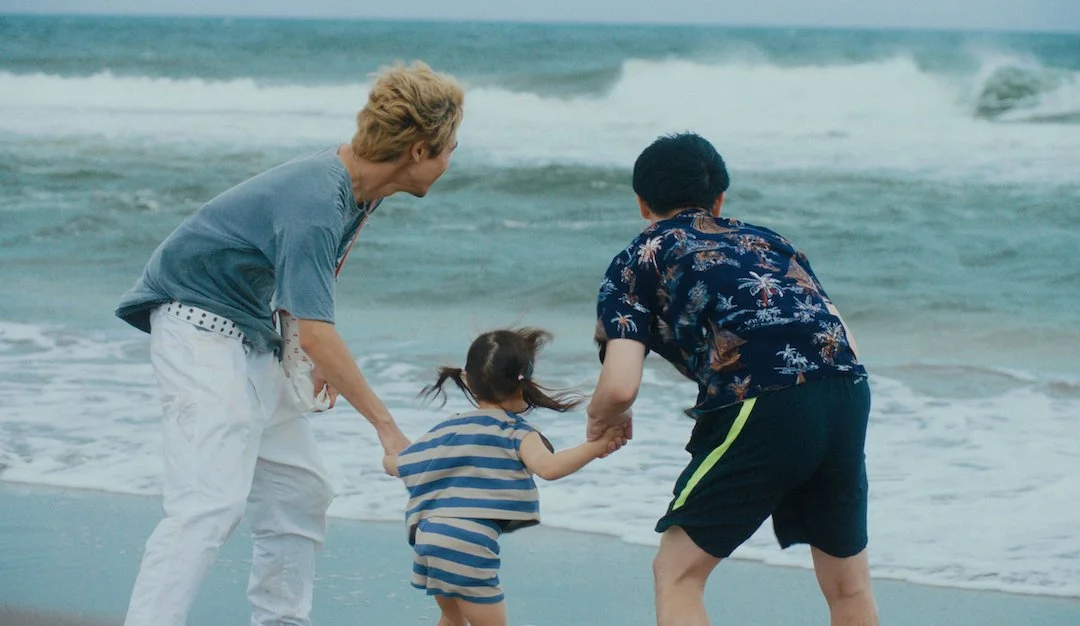
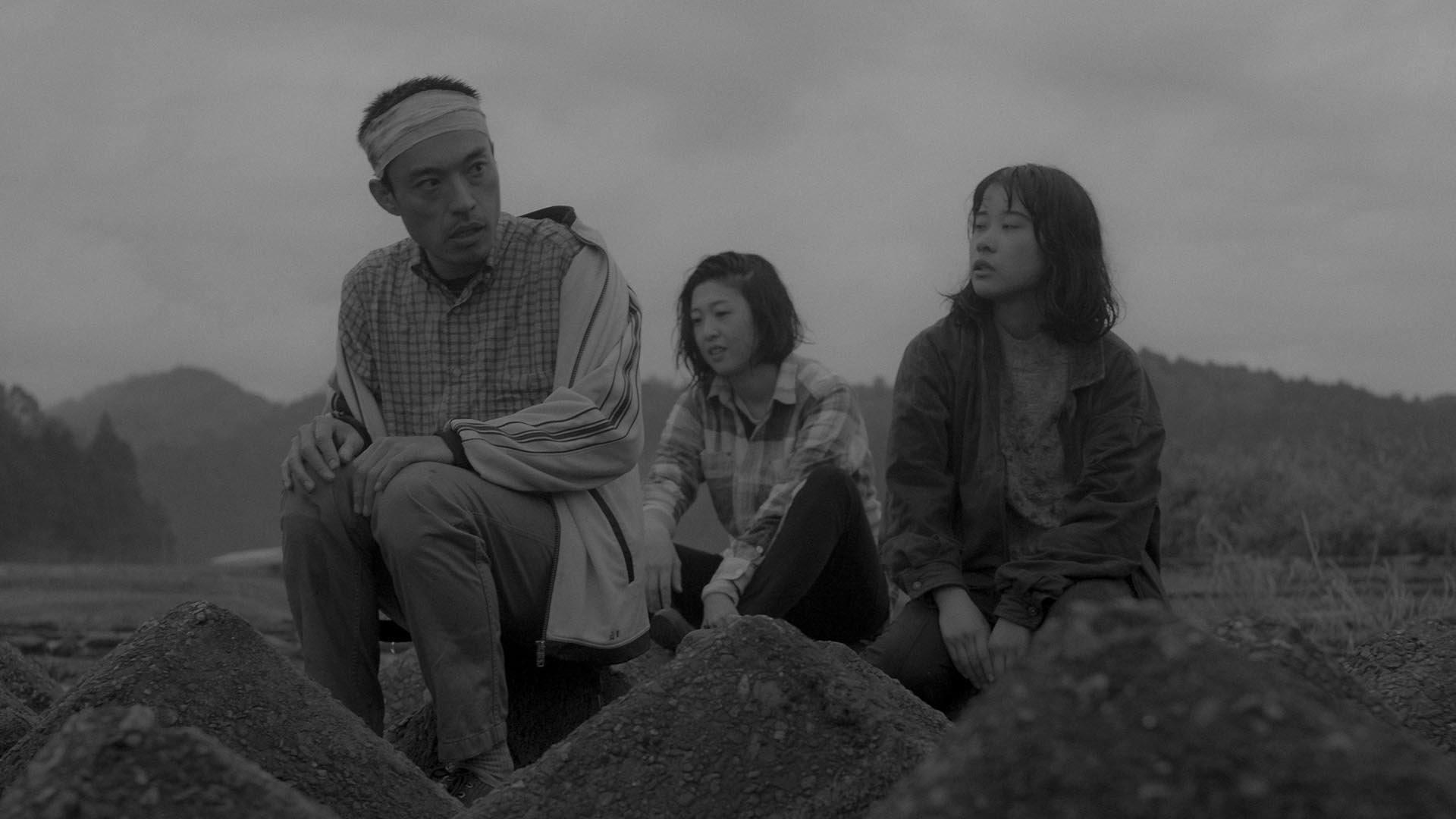
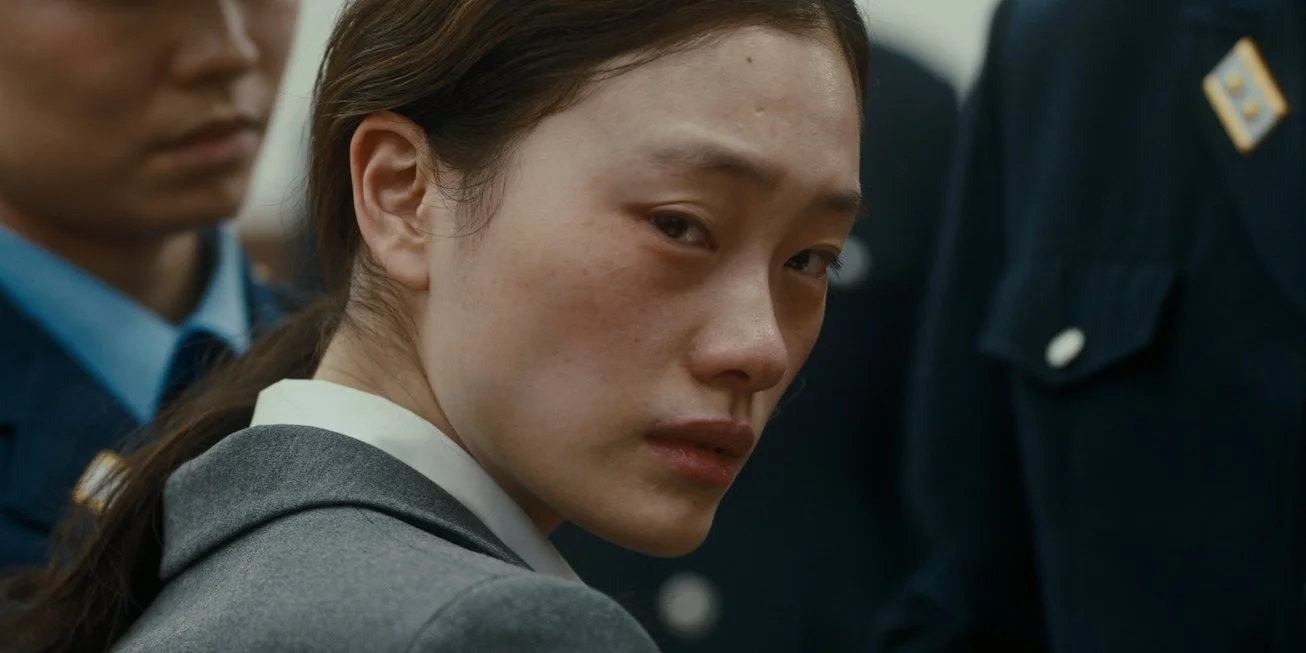
Tiger is Chauhan’s fourth feature after his 2018 debut, Bad Poetry Tokyo, a portrait of a woman (Shuna Iijima) caught in cycles of violence who finally runs out of fucks to give; the mysterious, epic Kontora (2019, above right), shot in lush black and white and weaving together past and present in a story of a family stitching itself back together in the wake of an elder’s death; and finally the more multiplex-ready December in 2022 (below, left), a courtroom drama exploring fundamental concepts of justice – structural and social – when a divorced couple reunite to ensure the teen (Ryo Matsuura, The World of Kanako) that murdered their daughter never gets out of prison. And once again, if that sounds like a filmmaker colouring outside the lines that’s because it is. As a transplant, Chauhan is in a unique position within Japan’s increasingly risk-averse industry (in its defense, it’s not alone) to play in sandboxes few others can or will. “My position is very different. I will never been seen as an insider,” he states bluntly. “So the reason I pick these subjects is because I know nobody’s going to touch them. I can.” In an era of falling audience numbers Chauhan reasons producers are, “Playing it super-safe, which is mainly because it’s an agency-based system. Actors and agencies package the projects. I get offers sometimes, and we meet actors who tell me they can only do happy endings. They’ve forgotten what they used to make before; nobody wants to take risks and everything’s based on manga or IP. And it’s just bad writing.”
Chauhan’s willingness to go there has won him awards at Tallinn Black Nights Film Festival, Japan Cuts, Brussels Independent and, this week, at BIFF, where Tiger walked off with a Vision Award. The film stars Chauhan regular Takashi Kawaguchi in an empathetic, charming performance as thirtysomething gay sex worker Taiga, who starts thinking it may be time for him to settle down and start a family when he visits his home town to see his sick father Shigeru (Kenzo Shirahama). He looks at his sister Minami (Maho Nonami), her husband Ichiro (Kentez Asaka) and daughter Kaede (Sakura Kasuga) and wonders if he’s ready for that life. Muddying the waters is his old flame Koji (Yuya Endo, Godzilla Minus One), who’s done just that – with a woman – and Taiga’s looming break into the porn industry. Tiger’s screenplay was culled from the real-life experiences of friends and aquaintances from Tokyo’s LGBTQ+ community, who detailed their struggles to be legally recognised by family (Minami pressures Taiga to give up his inheritance rights or be outed), outgrowing the Ni-Chome scene, Tokyo sex work and serious considerations of friendship marriage through agencies like Colorus. Individually Chauhan didn’t think he had a film, but taken together they made a modern and universal film about a man who happens to be gay at a crossroads in life. If Tiger shines a light on the inequality Japan’s LGBTQ+ citizens deal with on the regular or the rising tide of re-suppression of LGBTQ+ people over the last few decades, great, but Chauhan didn’t set out to make a statement.
“I had zero consciousness of [a message]. I started out thinking, ‘Oh, shit, this is an LGBTQ+ movie.’ and I had to shut that down and treat it like another human story. I cannot do justice to this issue because I’m not part of the community; I can’t truly represent it. So better to just focus on making an honest, human statement, because that’s what they also want.” Following its bow at BIFF Tiger is off to Sao Paulo, Los Angeles and a few European festivals. But it has no release date in Japan yet, not even at the upcoming Tokyo International Film Festival. Chauhan shrugs. “They don’t like my movies.”
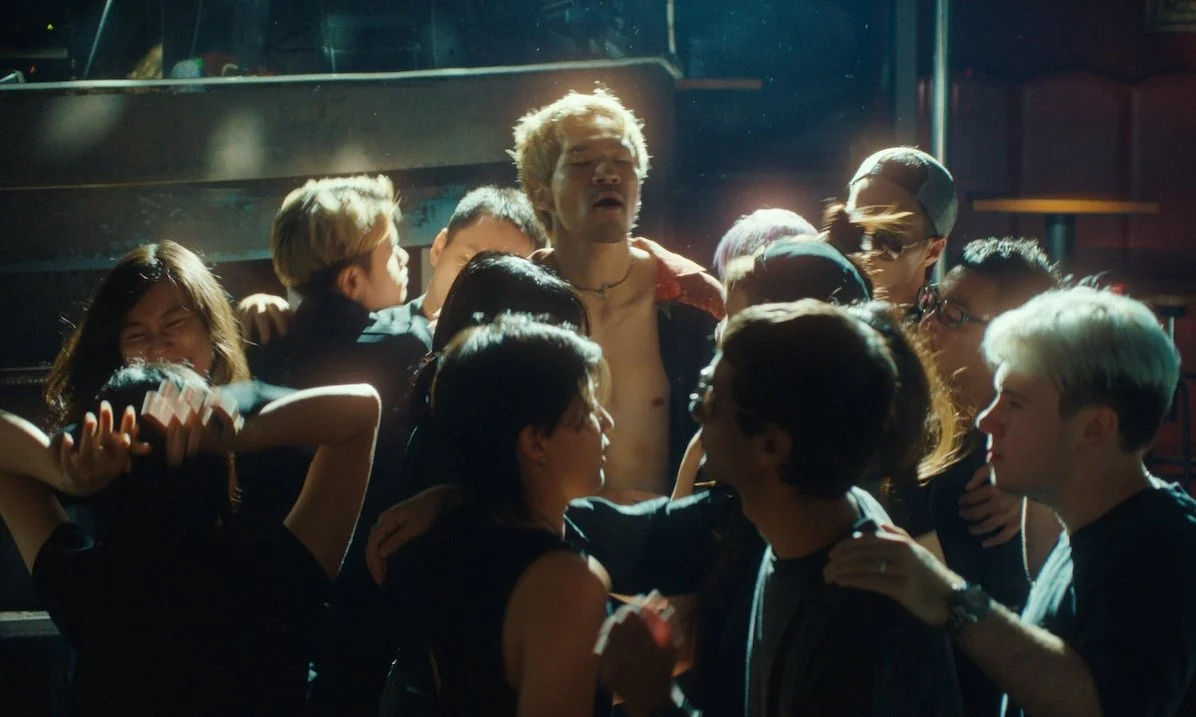
For all the drama of the story it’s easy to forget Chauhan is also a stylist, on Tiger getting help from DOP Vinod Vijayasankaran (Chauhan: “He was also based in Tokyo. The Indian part is a total coincidence.”) to realise Taiga’s three-part arc as a bored masseur angling for porn star status, then as an everyman considering traditional domesticity and finally as a a combination of the two being threatened with losing both. Tiger has distinct moods and modes: clinical sex work scenes, pragmatic compositions for time in Taiga’s home town, and slicker thriller sequences. “It made sense to have each scene be distinctive, and it worked out really well, I think,” says Vijayasankaran of the 24-day shoot. “We didn't want to have a big production feeling. We wouldn’t be able to recreate that anyway. We just tried to make the locations work for us and we spent a lot of time finding the right ones. Some of the hotels and the bathhouse … we found in places far from Tokyo. They were a bit campy or extreme in appearance, so we leaned into that. It helped achieve the look we wanted. I really like the documentary aspect of some of those scenes. It really separates Tokyo and his hometown.”
Speaking of docs. True to Chauhan’s form, he’s currently working on a doc about female bullfighters (!) on Ishigaki Island (!!) in Okinawa which he discovered while shooting his next feature about a military helicopter crash, a story near and dear thanks to Chauhan’s military background. Before production and to no one’s surprise, an unnamed industry type asked him, “If I could remove the military part and do a car accident?” He blinks, looking a little flabbergasted for a second. “How can I make a chopper crash story without a chopper crash? Nobody’s picking up that project and besides. I don’t want to do what other foreign filmmakers come and do in Tokyo, which is, you know, Kabukicho or hostess culture.”
Even if TIFF is resistant to Chauhan’s work, other forums have proven less so, and his consistently thought-provoking work is starting to translate into more high profile actors and production companies sniffing around Kowatanda. Chauhan thinks actors, “Really want to work on indie films because they’re also tired of doing same shit again and again. More established actors are looking for a challenge.” That’s a bonus for producer Moteki, who’s pleased Kowatanda’s reputation is preceding it. “I think [getting produced] is getting easier. Making films is not easy in Japan, especially as an independent. But since we started getting more festival recognition, things have changed slightly.” December marked the beginning of Kowatanda’s A24-esque pivot to commercial filmmaking and broader audiences – on its terms. “We won’t compromise on what we create,” finishes Moteki. “Our concepts will remain the same.”
Where we were
Busan International Film Festival, Guest lounge
Busan, South Korea • September 21, 2025