
Action = Activism
Philippine superheroine Zsazsa Zaturnnah rides again. Haven’t heard of her? Go find her.
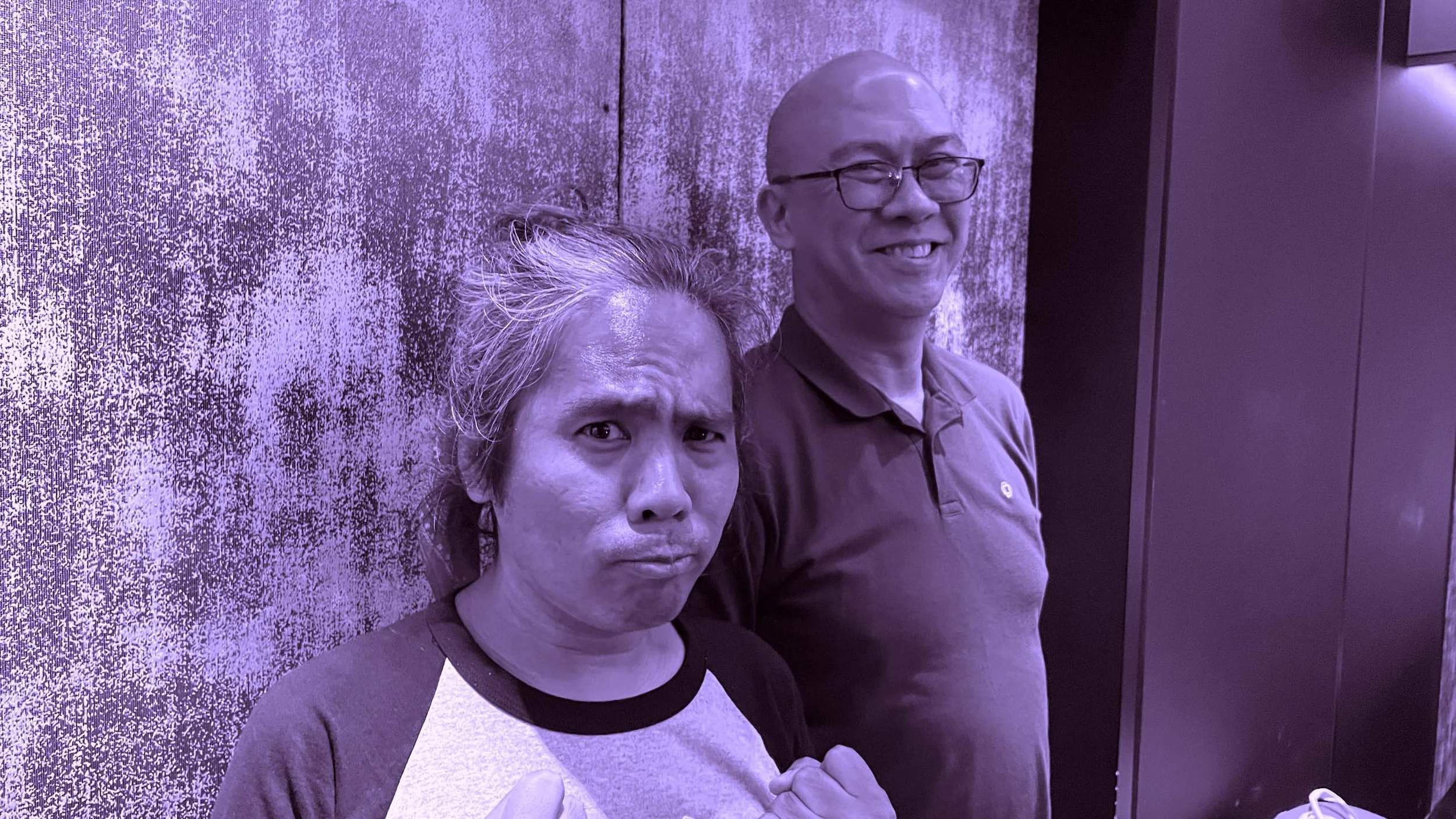
Avid Liongoren and Carlo Vergara
Director (Saving Sally, Hayop Ka!) animator and Rocketsheep founder Avid Liongoren and comic creator, graphic designer, playwright and Philippine National Book Awards winner Carlo Vergara are relaxing in a VIP room tucked away in a hidden corner of the PREMIERE cinema in Elements. They both look chill ahead of the screening of Zsazsa Zaturnnah vs The Amazonistas of Planet X, closing out this year’s Hong Kong Lesbian & Gay Film Festival. Coming after the film’s debut at Annecy International Animation Film Festival (which Tommy Ng also used as a springboard for Another World) in June, followed by warm receptions in Montréal at Fantasia International Film Festival and BIFAN, Liongoren is steeled for anything at this point.
“Annecy was the first time in my life to experience a standing ovation. I was thinking, ‘Oh, maybe they’re just polite because I was in the room,’ you know,” he says with a chuckle recalling Planet X’s reception. “But everybody was cheering, and everybody was dancing, and they just really dug it. Then right after that we screened in Korea. Total silence.” He shakes his head. The film got a boisterous response in Montréal too, and then it was back to silence in Japan. “It’s very scary. You’re coming from bringing down the house to silence.”
How loud audiences are is by no means an indication of just how charmingly campy and subversively smart Planet X is, the latest adaptation of Vergara’s irreverent, self-published 2002 comic The Spectacular Adventures of Zsazsa Zaturnnah (Ang Kagila-gilalas na Pakikipagsapalaran ni Zsazsa Zaturnnah). The comics pivot on, well, the spectacular adventures of small town hairdresser Ada and the buxom superheroine Zsazsa Zaturnnah he becomes after swallowing a magical space rock. Zsazsa has been a stage musical as well as a live action feature – Zsazsa Zaturnnah Ze Moveeh – both in 2006, with Planet X being her first foray into animation, the logical choice for Liongoren, who argues it’s the better format for the source material; it allowed him to come closer to the scope of the original graphic novel. Mixing traditional 2D animation, “SpongeBob close-ups”, anime styles and seemingly lifting panels from the page, Liongoren and Vergara reworked Zsazsa for 2026 in a bright, energised story about Ada (voiced by Phi Palmos) saving his provincial Philippine town from the galactic nemesis that is Queen Feminah Suarestellar Baroux (Joelle Yuvienco), with a bit of help from his best mate Didi (Io Balanon). In a refreshing twist that made the comics so popular, Ada gets his muscular, ultra-masculine himbo crush Dodong (Sig Pecho) in the end. Planet X is somehow super-Filipino while being universal, and really gay while being inclusive.
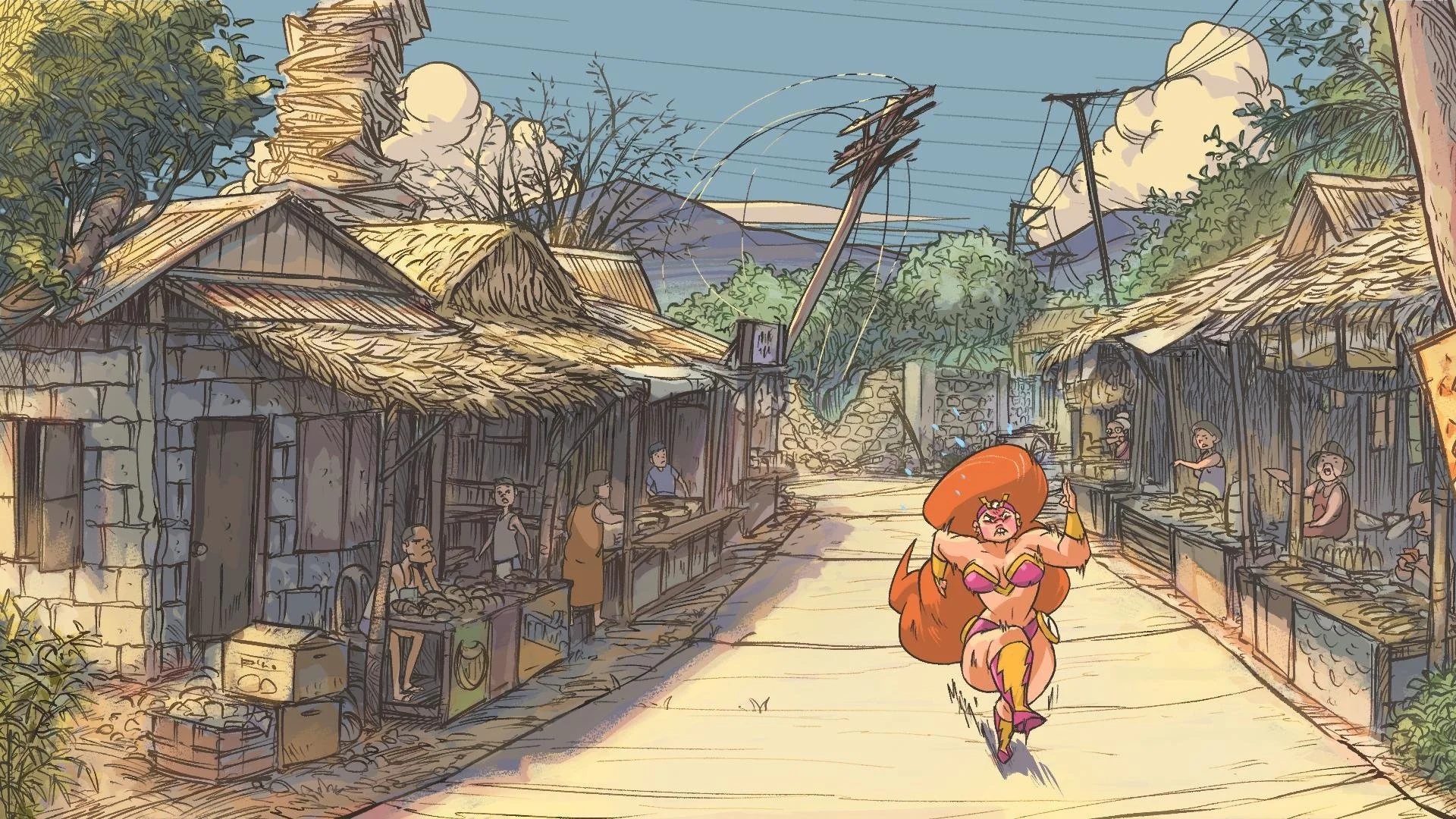
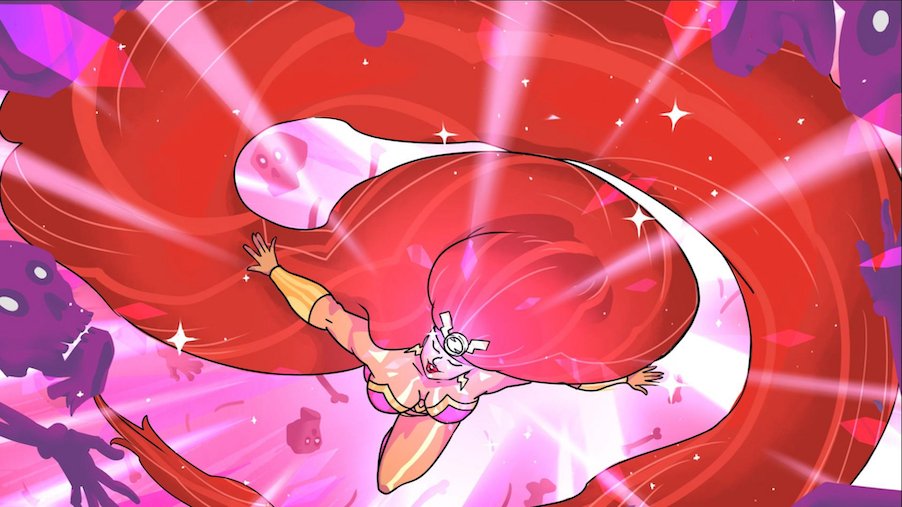
Planet X was roughly six years in the making, and in the way the original comic was self-published the film was essentially self-produced. Liongoren and Vergara first came together professionally while trying to adapt Vergara’s play How I Became Leading Lady, about a Justice League-type superhero team that has a Filipino maid. But two years of studio meetings, development meetings, press releases and a completed script only for the studio to balk at the potential cost of a big, campy, starry superhero piss-take had Liongoren throwing up his hands and vowing never to take that route again.
“After that experience, I told Carlo, ‘I don’t want to go through this again. Why don’t we just adapt Zsazsa Zaturnnah again?’ At that point it had been 15 years. I didn’t know how long it would take, and we wouldn’t have any money. But I knew we’d finish it, because we wouldn’t be waiting for an executive to greenlight us. I was going to get it to the finish line no matter what,” he says. “I said let’s do this, just us. And six years later, here we are.” Planet X’s road to production sounds like Toe Yuen’s with A Mighty Adventure, and Gints Zilbalodis’s with Flow, something Liongoren insists is, “The only way to do it right now. It’s so hard for anything new to get funded, because everybody just want to work on existing IP.”
The stress of mainstream studio production comes on top of Vergara having to recontextualise nearly 25-year-old material that could be perceived differently now, despite Zsazsa’s status as a staple of gender and LGBTQ+ studies and the basis for countless thinkpeices and culture criticism. Vergara is on record as rejecting any activist or advocate labels, at least initially, and that Zsazsa was never intended to be a statement. Nonetheless, he is, and so is Zsazsa, particularly when there’s still so little in media that incorporates LGBTQ+ Filipinos.
“In hindsight, now that I’m older, I guess I am [an activist],” says the now 55-year-old Vergara. “When I think of activism, I think of a Pride March. I think industry, and I’m not really like that. I’m like every other comic book artist who just wants to make a comic book,” he chuckles. Nonetheless, Vergara admits that when he thinks back to how gay life was – or wasn’t – presented in culture in the late-1990s, “If you were a homosexual in any kind of TV or film, you were poor, sick, heartbroken and you died. And you were ugly. I thought, ‘Can we just have one story where good things happen?’” In simply wanting Ada to have a life he could be happy in, Vergara accidently created a milestone for LGBTQ literature in the Philippines. If people read Zsazsa as a trans metaphor, so be it, but her outsized curvaceous figure has more prosaic origins. “People going into comic book shops back then were straight guys,” Vergara shrugs with a smirk. “I needed to find an audience. So I put a really hot babe in a skimpy outfit on the cover.”
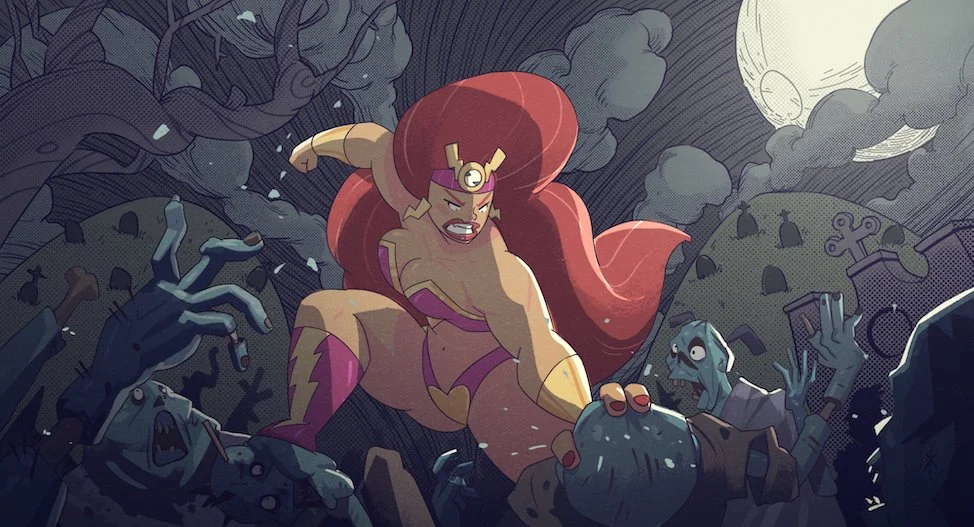
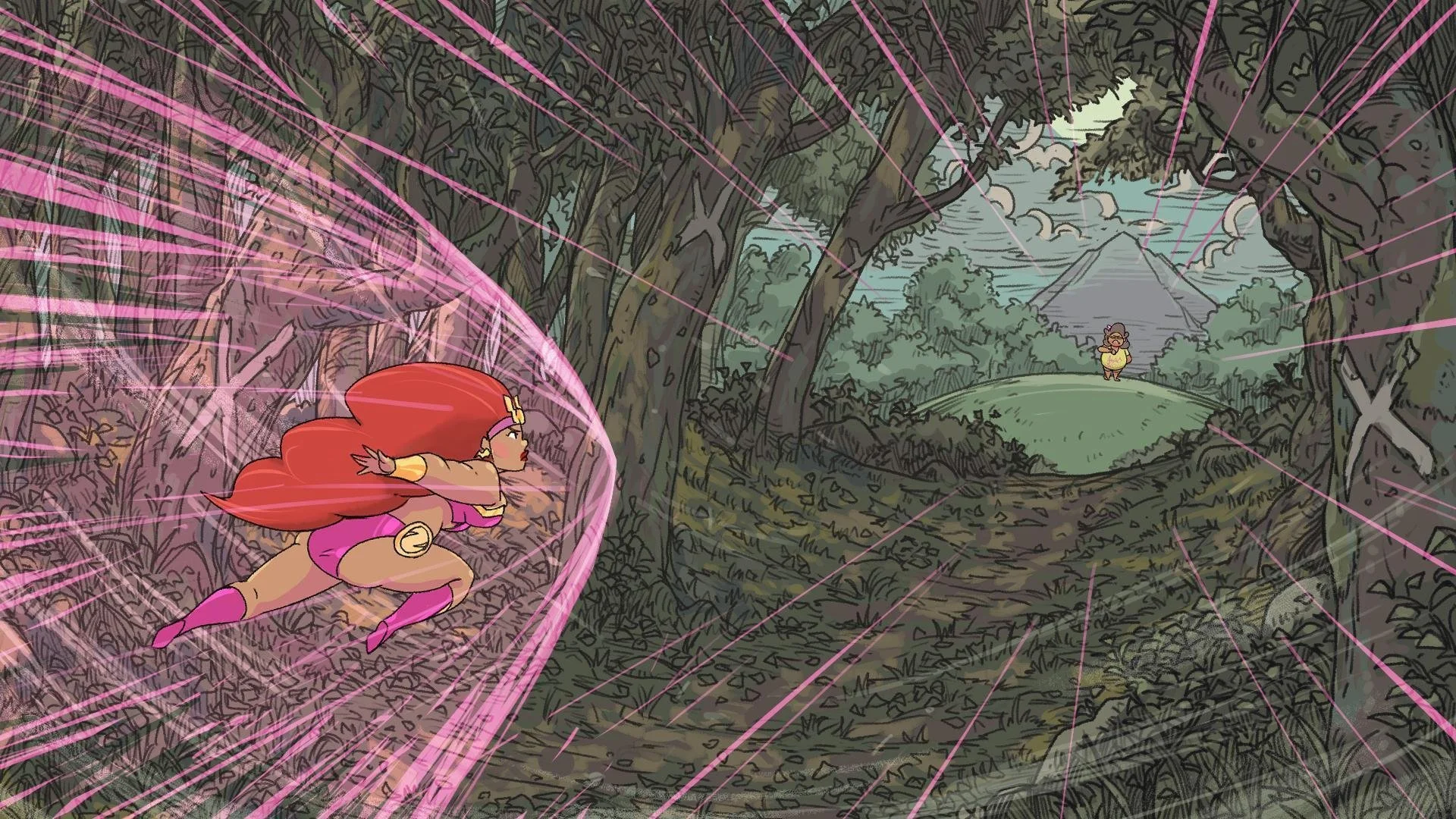
And as for that recontextualisation? Liongoren and Vergara started working on the new adaption in 2017, and “It was a struggle, because life in 2017 was different from what life was in 2002. Much more so right now in 2026,” explains Vergara of writing for a new generation. “I needed to keep the story intact for those who are familiar with it, so it was ‘Am I going to get burned for this?’ A lot of people were talking about the misandry. In 2001 I wanted some cool female boss-level antagonists in there because for some reason in Philippine culture we love our strong female antagonists,” or The Bad Bitch Vergara concedes. He tweaked the script to isolate the Queen and not make her representative of anyone in particular. “This is just one story. It’s Ada’s story,” adds Liongoren. “We don’t want people to think this stands for the entire rainbow.” Still, Liongoren admits to wrestling with how to strike a balance that ensured the film was smart as well as self-deprecating in a way he claims Filipinos can be, a critical element to the film’s identity. “In an age of pride, there’s a tendency to always be ‘proud’, so you can’t be talking shit about yourself. But that’s the Filipino baklâ experience, you know? It was something we were conscious we needed to temper a bit, but at the same time not lose.” Vergara and Liongoren managed to strike that balance, with plenty of purely Filipino humour – Didi alone has at least a half-dozen quotable lines – crazy creatures and giant penis monsters. In a strange way, Planet X has brought Zsazsa full circle when you consider tech bros, almost exclusively men, are the current go-to Big Bad guys for movies and TV. Queen Feminah suddenly doesn’t feel all that misandrist.
Where we were
PREMIERE Elements • Hong Kong Lesbian & Gay Film Festival
Hong Kong • September 26, 2026