
A Fragile Soul
Remember that martial law scare in South Korea about a year ago? Well, yOu Really don’t know the half of it.
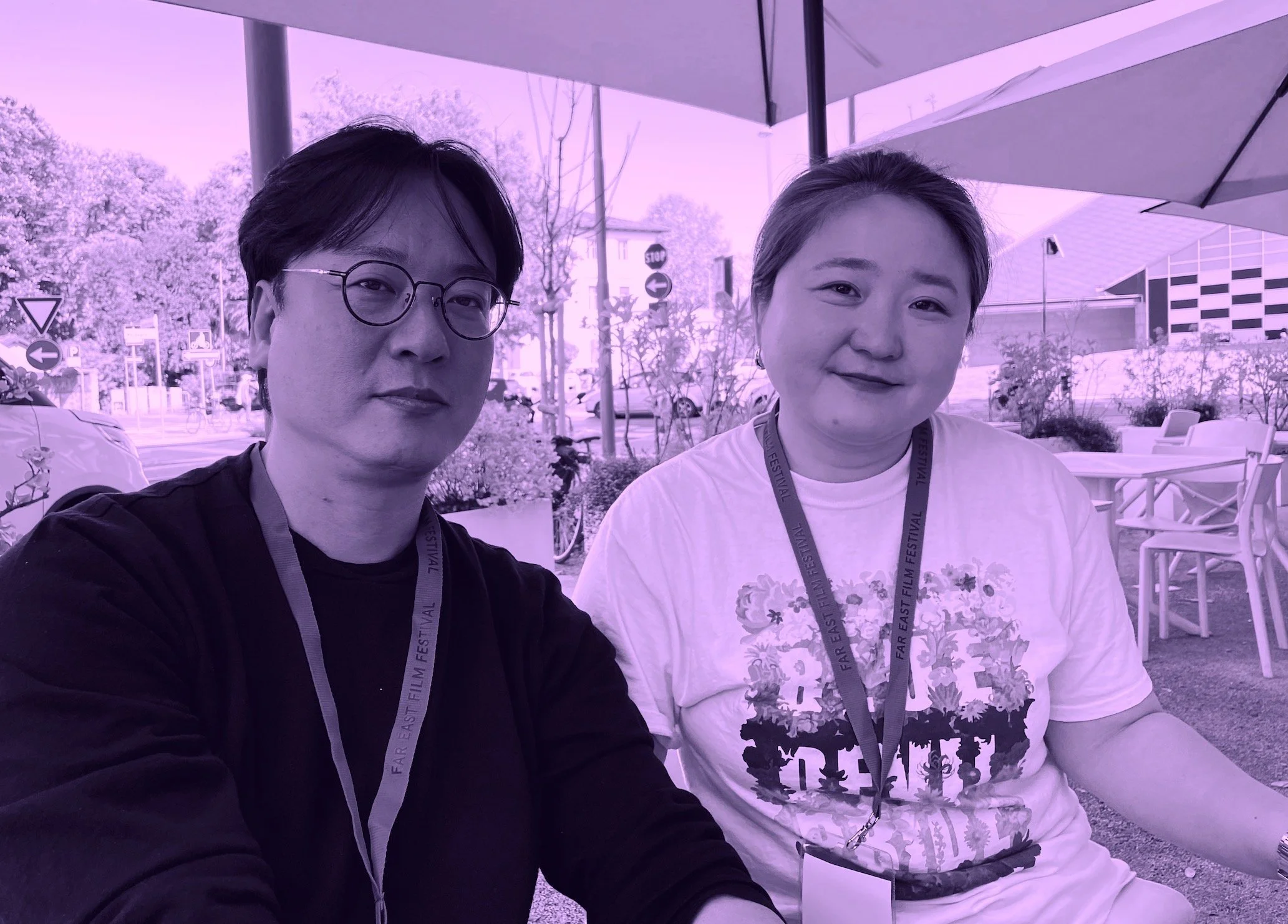
Kim Jong-woo and Sona Jo
It’s hard to say at this point in time, but the day (now former) South Korean president Yoon Suk-yeol imposed martial law on the country, in December 2024 for six terrifying hours, has the potential to go down in history as one of “those” moments; a flashpoint of history that some of us will remember vividly for years to come. Think the Challenger explosion, 9/11, the day Nelson Mandela walked out of prison. Yoon’s clumsy attempt to avert a constitutional deadlock kicked off a crisis that resulted in a night of heightened political tension, eventual impeachment, a trial on charges of inciting insurrection, and – as of February 2026 – conviction of life in prison. It has been widely – and bitchily – noted that American president Donald Trump remains in power after his own failed insurrection.
But it is the tense six hours of December 3 that are the subject of veteran Korean journailsts Kim Jong-woo, Kim Shin-wan and Cho Chul-young’s The Seoul Guardians| 서울의 밤, a chronicle of just how precarious our democracies are these days. Despite the swift action taken by Korea’s constitutional court and, more critically, its average citizens, producer Sona Jo has no delusions of Korea as some sort of vanguard.
“In the very first moments, yes. I felt proud, as a Korean, that the spark of pushback was still there,” says Jo. “But if you’re looking at the political situation in Korea, what did we really achieve? We immediately agreed it was a ‘victory’, but we’re now experiencing crazy, extremism in Korea, and now they dominate our conservative party. And we’re about to have an election. We cannot say this is a victory. Yes, I was very proud of myself; at least we’re doing better than the States. But look deep down and it’s the same thing. The world needs to change.”
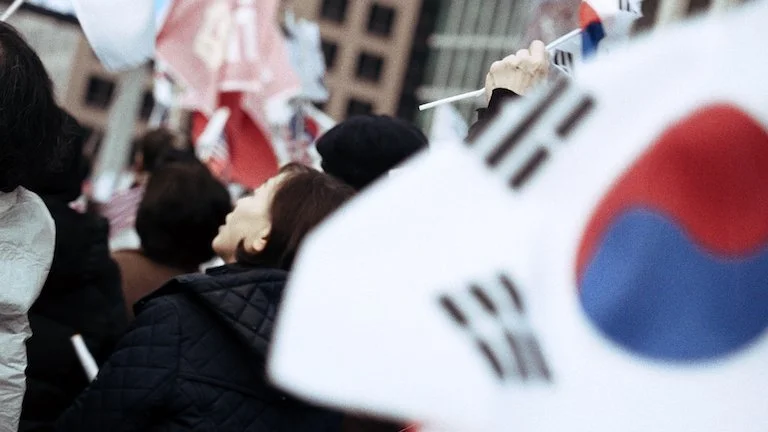
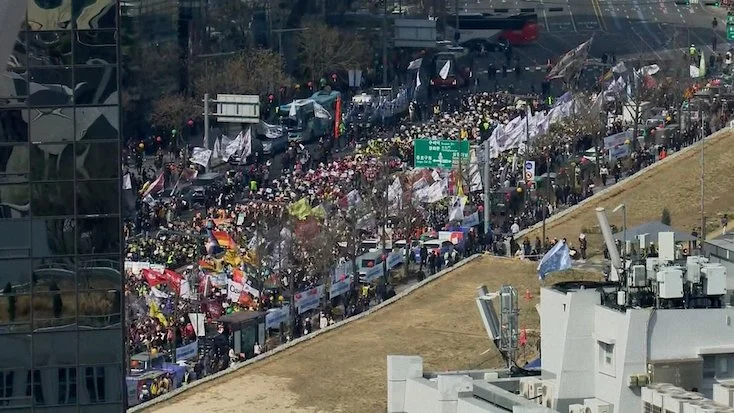
The Seoul Guardians is an almost-direct cinema style compilation of hours and hours of footage MBC producer and co-director Kim Jong-woo – who works on the broadcaster’s investigative news programme PD Notebook – and his crews shot on the night of the 3rd. He was in the office late at night as the show was airing, and so he was fortunate to be in a position to send a camera crew to the capitol building. Kim wasn’t the only newsie in the office that night, and he’s not to proud to point out that no one knew what to make of the situation as it was unfolding. In the weeks and months after the attempt at martial law, Jo looked at the material Kim collected and realised there was an important film buried in it all.
“The thing is, it never stopped,” says Jo. “Ongoing protests started and lawmakers had to try and impeach the president twice. Then the next prime minister was actually a supporter of marital law. So it’s not just [Yoon’s] circle, or administration. It’s a system. When I watched the footage they had I thought it needed to be told; this is a historical moment. It’s not metaphor. It’s more than that. What if the troops had cut the electricity, or the power? It would have changed history.”
Kim and Co. don’t try to re-invent the documentary wheel; it doesn’t deploy sytlised filmmaking or try to subvert the format. It doesn’t need to, because the story is its selling point. In Hong Kong, and in most parts of the world, news trickled out that something was happening in Yeouido and the National Assembly building was buzzing at 10:30pm. The next day’s headlines reported the issue had resolved itself. Most of us heard about legislators scaling walls to get inside for a quorum vote, but the frantic pushing, shoving, impromptu protests and armed soliders around the Assembly building went largely unreported – drastically understating the gravity of the situtation. The Seoul Guardians corrects that.
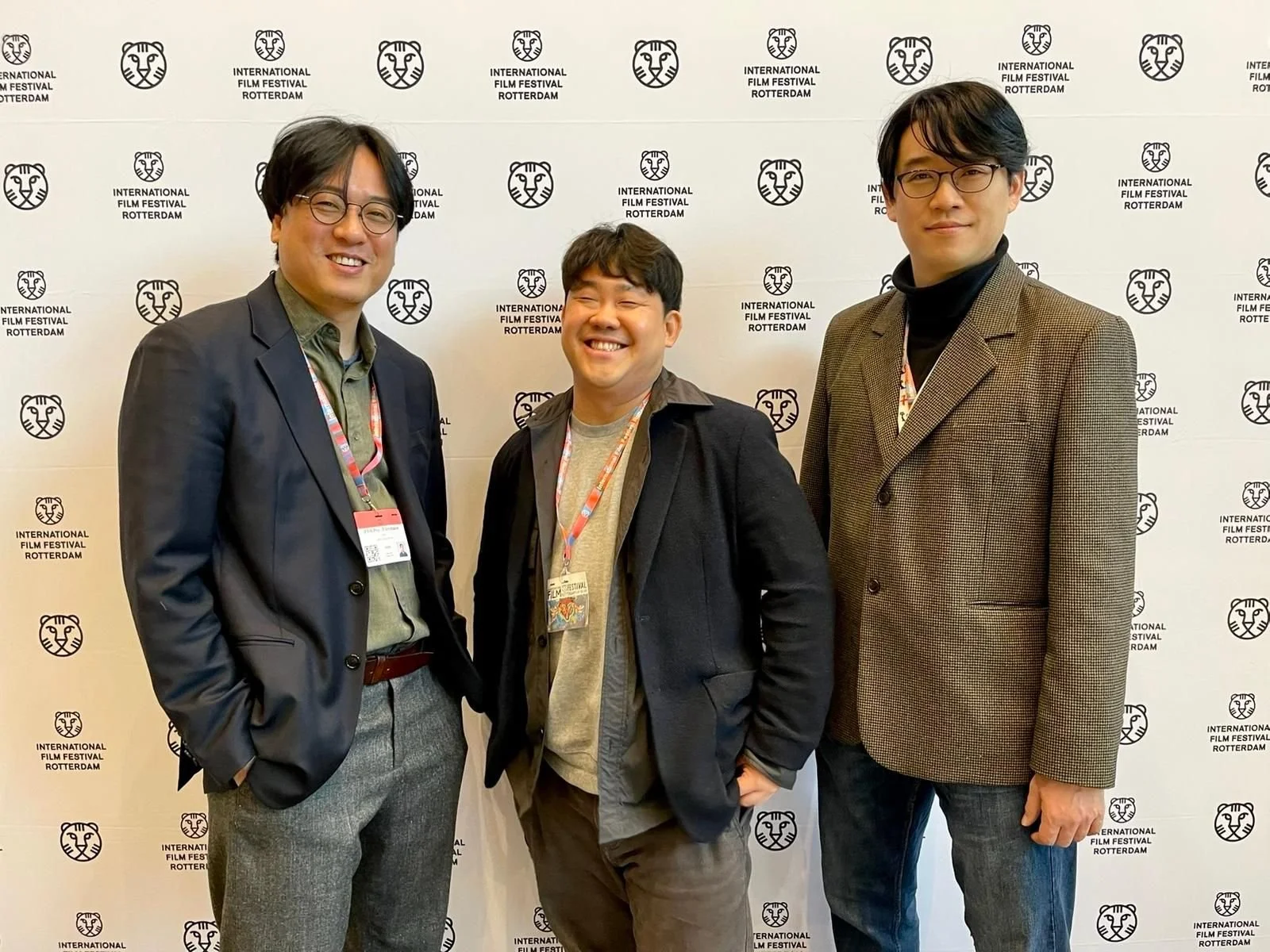
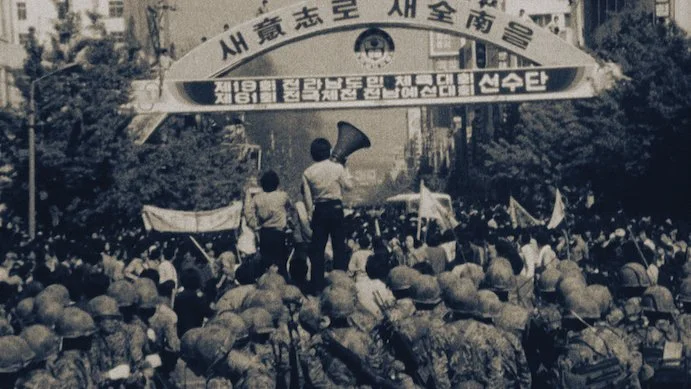
The film is currently making the rounds on the festival circuit following its world premiere at Rotterdam, with stops in Toronto at Hot Docs!, Seattle and at home in Jeonju on the horizon. Its most recent came at Udine’s Far East Film Festival, where it played to a packed house and earned a rousing, Venice-style six-minute standing O. By including archival material from the 1980 Gwangju Uprising, the film draws direct parallels with Minnesota, Iran, Nairobi, Belgrade… But Jo and Kim both admit to being surprised by the reception, and a tiny bit blindsided by how resonant the film truly is. In 2026.
“I know this is a timely story. Many countries in the world are experiencing crises of democracy, but I didn’t expect audiences in Rotterdam to cry,” says Jo. “Later [co-director Cho Chul-young] said to me ‘These people are showing themselves.’ And that’s the crisis, and the whole question of this film. ‘How do we live with these people?’ I didn’t expect every country in the world actually experienced the same thing.” Kim recalls a former president encouraging disgruntled citizens to break into courtrooms and stir the pot, and like Trump, make it cool to exist on the lunatic fringe. “She said it’s all right, go for it. So there’s no line. It’s another kind of dictatorship. There’s no limit and to me that’s the threat.”
The Seoul Guardians suggests our collective middle ground may be gone for good, led by extremism in Washington DC, and copied by politicians around the globe. The South Koreans weren’t having it, but the film also suggests vigilance must now be our SOP. As a news veteran, Kim says, “We don’t know exactly what it is, but we can taste something is coming. And I see no difference between [political sides]. Sorry, I’m not optimistic.” Despite their fears, Jo and Kim hope the film starts conversations that will influence decisions that will impact the future. They also hope it reminds us all that the real work isn’t done in the halls of power.
“The process of making the film, for me, was finding ‘characters’,” finishes Kim. “The lawmakers were there but they weren’t the real heroes. It was the secretaries, the aides, the office workers, people behind the scenes. The people yelling for their representatives and pinpointing what to do. And the old men outside the National Assembly, reminding people of Gwangju. Ordinary people who have no names are the ones who get it done.”