
50 Years Young
The still homeless Hong Kong International Film Festival turns 50 on April 1 (kind of).
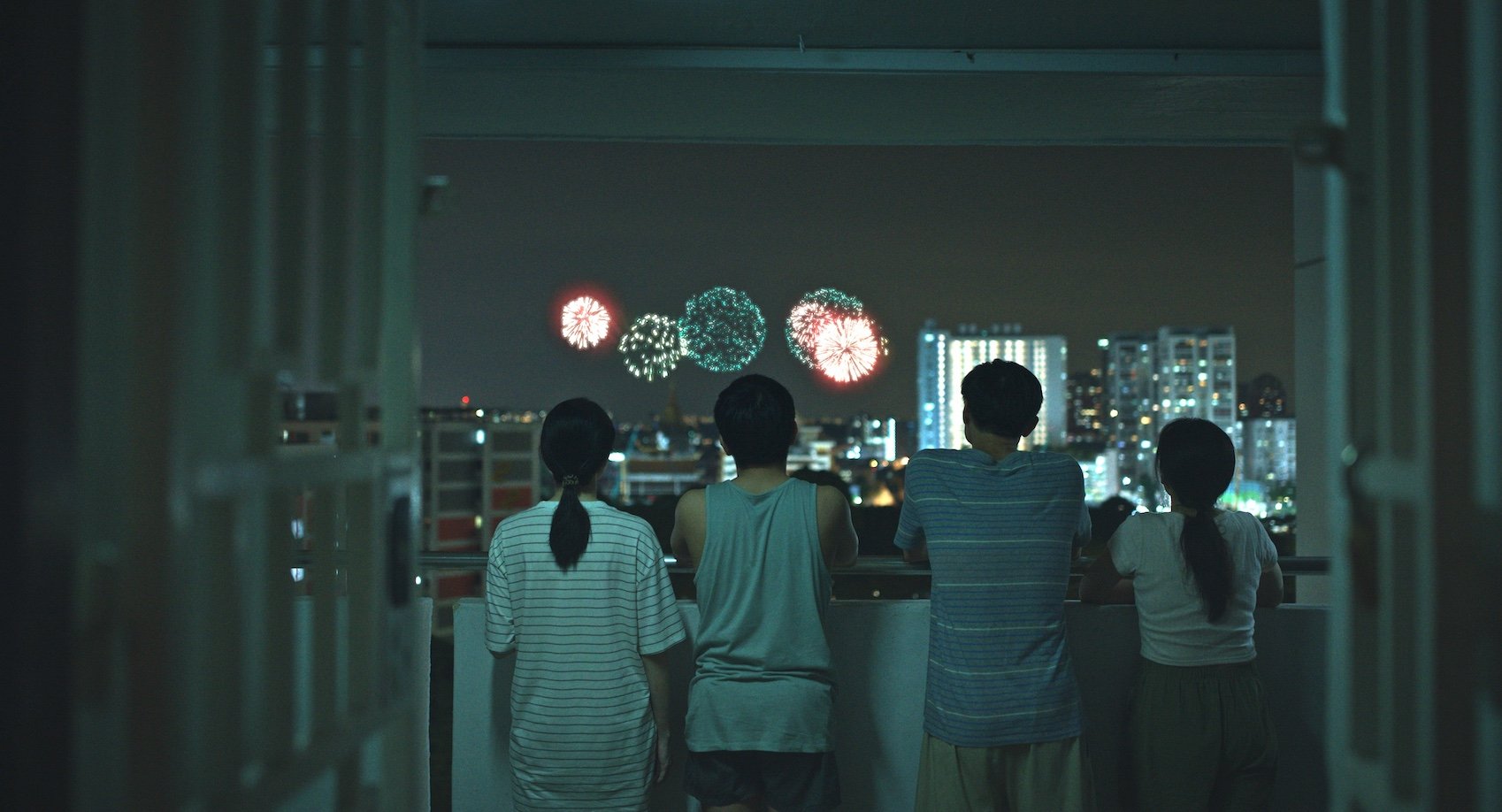
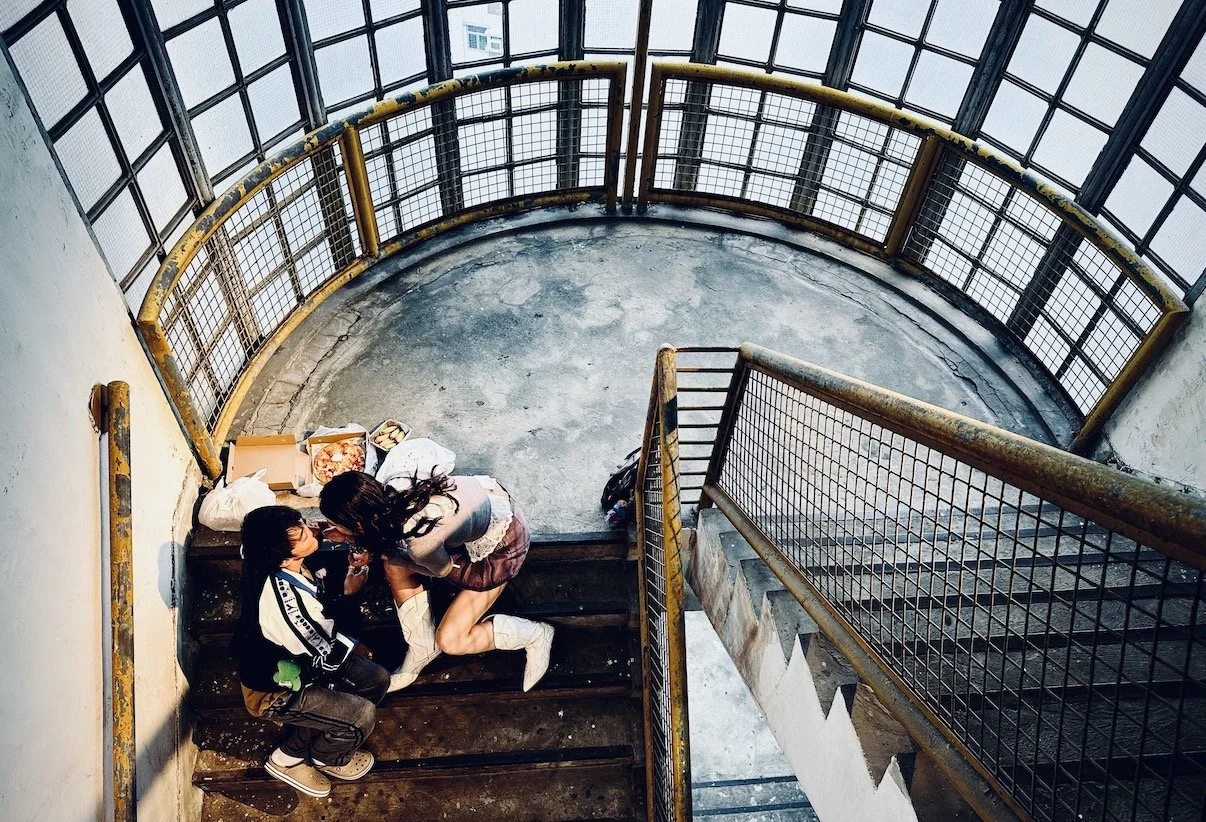
“It’s the 50th Hong Kong International Film Festival, focus on international,” says HKIFF director of programming Geoffrey Wong by way of explaining why the landmark anniversary for the city’s signature film event isn’t opening with a Hong Kong film. Sure, production is down and the pickings may be slim – Singaporean director Anthony Chen (who currently lives in Hong Kong) opens the festival with his epic, time travelling Berlin competition title We Are All Strangers (below, left ) and Philip Yung closes with trans drama Cyclone (right), which premiered at Rotterdam – but shouldn’t the jubilee edition as HKIFF is calling it, celebrate its hometown?
“I think we have to open with an appropriate film, with a good film, and this year we decided to go with a Singaporean film,” pipes in Albert Lee, HKIFF executive director. “Selecting a film really depends on timing, and the decision often doesn’t rest with us.” Lee will concede that for a major anniversary like the 50th (scads of film festivals never make it to three) it would be nice to open with a local film, but the production landscape just doesn’t allow for it this year. So the HKIFF50 is doing what it can given that five decades on it may find its hands tied thanks to increasing scrutiny by censors and a modest budget, despite steady funding from the Culture, Sports and Tourism Bureau; HKIFF received HK$14 million in 2025, compared to the HK$26 million, oh, say, the 50-year-old Toronto International Film Festival got in 2023 – which represented slashed public funding. Just sayin’. On top of that, HKIFF still doesn’t have a permanent home. TIFF moved into its Lightbox in 2009. Busan launched its Busan Cinema Center in 2011. The Palais in Cannes (1949) and Palast in Berlin (2000) are inextricable from their events. But that’s a challenge for the next 50 years.
In the meantime, HKIFF plugs on even if it is in the face of content quagmires that justify the choice of this year’s Filmmaker in Focus: Shanxi native Jia Zhangke. Again, fewer films are being produced, and other events are constantly jockeying for high profile titles, but to suggest there isn’t a single filmmaker from the SAR deserving of a focus from the past 50 years is a stretch. Lee doesn’t respond to the spectre of a blacklist that makes it difficult to spotlight local filmmakers active in the 1980s and ’90s, but he does cite timing as an issue, and that artists HKIFF has considered time and again frequently don’t come together for March or April. He’s also quick to point out HKIFF’s long-time championing of a (then) emerging voice and early support of Jia’s debut, Xiao Wu. “Jia’s films correlate quite a bit with the Hong Kong film industry, especially gangster films and Hong Kong pop culture. It’s a tribute,” adds Wong. “It’s interesting to look at the influence of Hong Kong culture and cinema on him and on the Sixth Generation of filmmakers from China.” That will be explored in the “Revisiting Chinese Cinema” programme, which includes Master Classes by Fifth Generation giants Chen Kaige, Huang Jianxin and Tian Zhuangzhuang, as well as Taiwan New Cinema legend Tsai Ming-liang – all part of the retrospective spanning the past half-century.
It is the 50th, so there are more guests than usual, and so more Master Classes on tap, by French superstar Juliette Binoche and Hungarian director Ildikó Enyedi (whose Silent Friend co-stars Tony Leung Chiu-wai), and visits by Hong Kong multi-hyphenate Mary Stephen, Thailand’s Pen-ek Ratanaruang (Morte Cucina), Korean-Chinese filmmaker Zhang Lu (the pair of Mothertongue and Gloaming in Luomu), Brit Ben Rivers (Mare’s Nest) and Indonesian writer-director-producer Edwin (Sleep No More). As a bonus, the exhibition “50 and Beyond” revisits the festival’s history through photographs, archive documents, posters, video interviews and heaps of other artefacts (some would say memoribilia) that put HKIFF in context and hopefully point the direction for the future. The show is at City Hall, as is a screening of Roberto Rossellini’s Anno Uno, which kicked off the first festival there back in 1977.
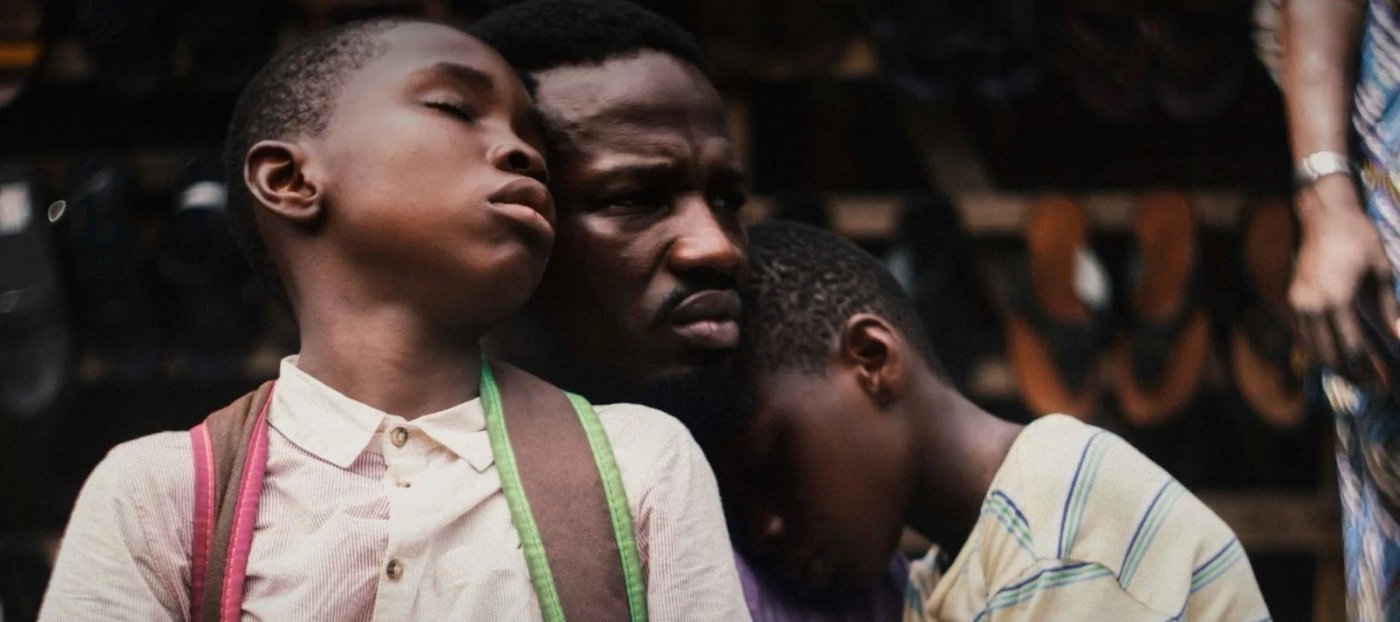
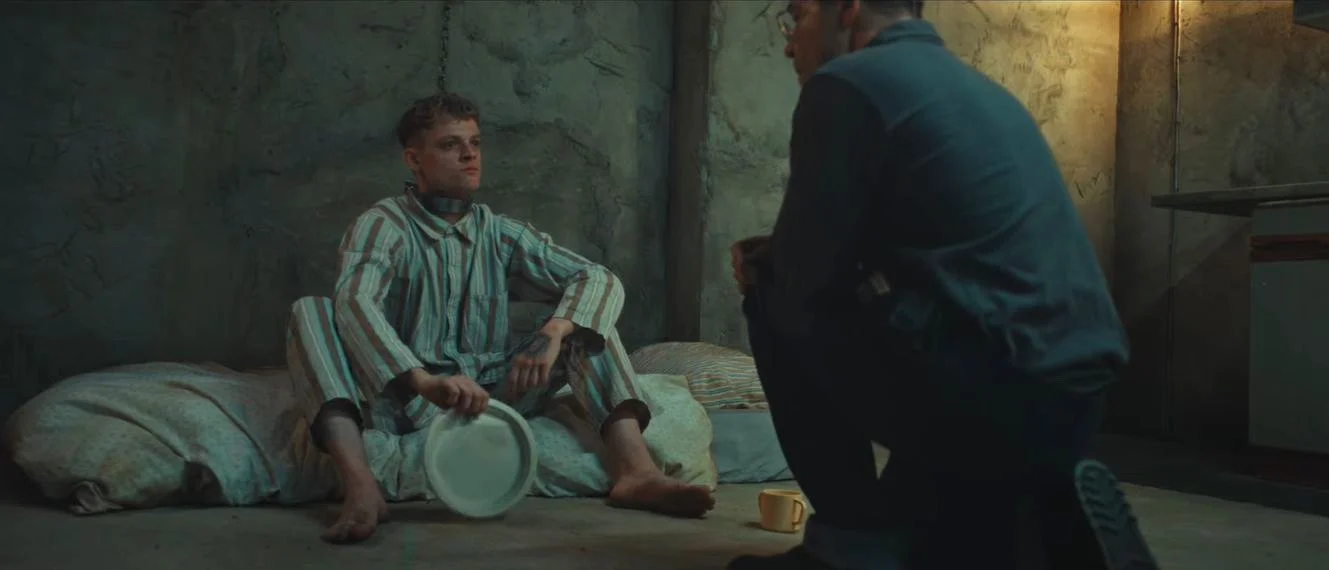
As Wong stresses, HKIFF is outward looking, so there are 215 curious choices from 71 countries around the world worth a look. A few: My Father’s Shadow (above, left) from Nigeria via the UK, about a father navigating Lagos with his sons on election day in 1993; Indonesian actor-turned-director Reza Rahadian’s utterly luminous single mother drama On Your Lap; actor Harris Dickinson’s (The Triangle of Sadness) directorial debut, Urchin, a portrait of modern Britain through the lens of an unhoused man; a programme of shorts by Taiwanese animator Joe Hsieh ready to freak you the fuck out (below, left); Jan Komasa’s Good Boy (above, right), a brilliant spin on power, who has it and how they use it; and Lee’s personal must-see, Sergei Eisenstein’s seminal Battleship Potemkin, the 1925 film school staple that created cinema as we know it. “It celebrated its 100th anniversary last year, so the BFI brought the film back to cinemas in the UK, with a new soundtrack by the Pet Shop Boys,” Lee says. “Eisenstein was so influential with montage and the Odessa steps sequence – which are now probably in ruin.” Potemkin is a stone classic and an anti-autocratic screed that’s as timely now as during the interwar years, and makes a nice companion to Rossellini’s equally anti-fascist second-to-last feature.
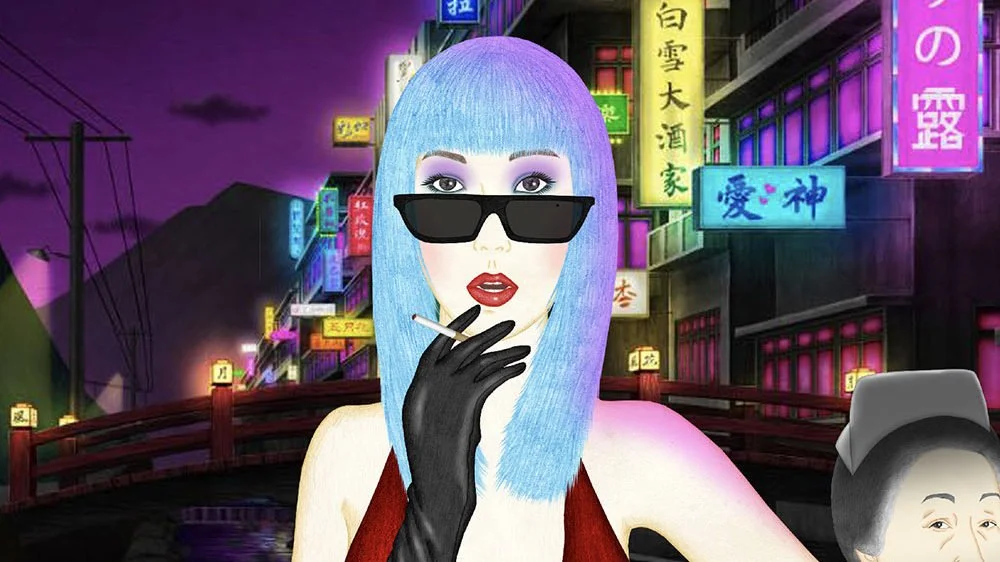
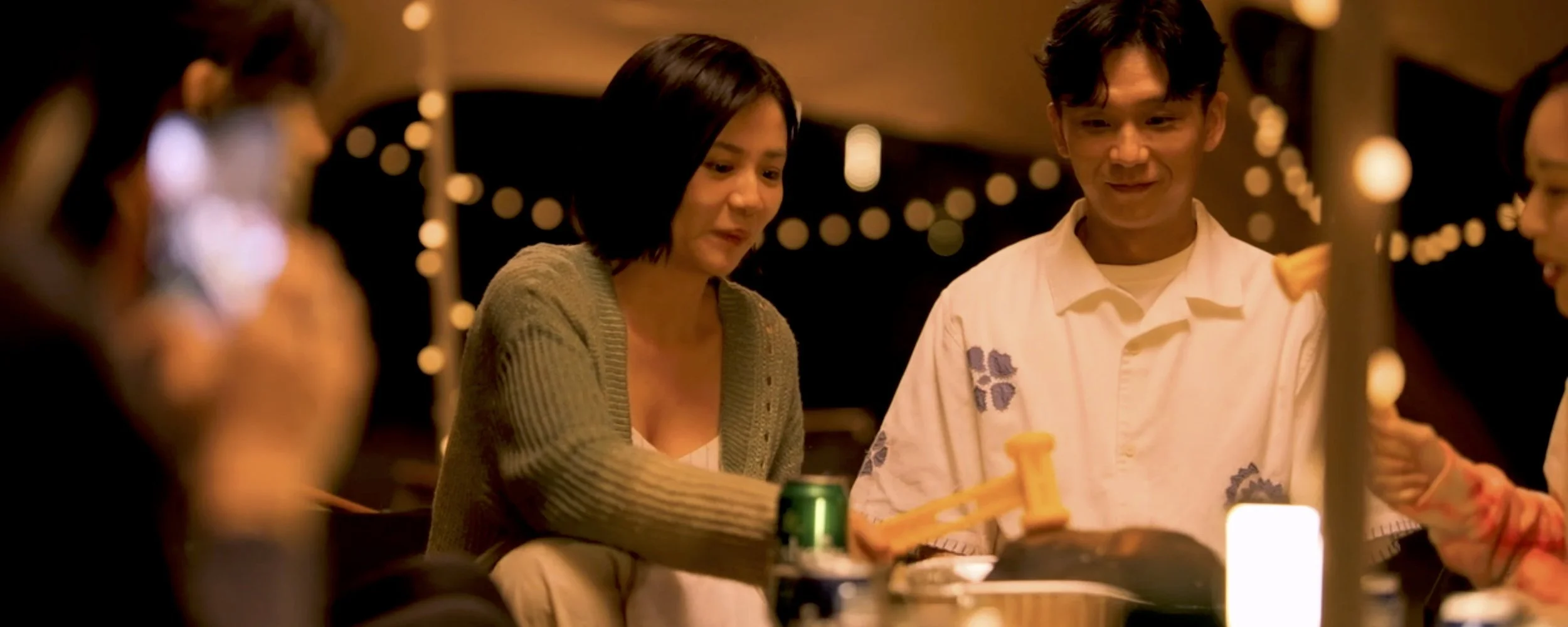
It’s unfair to hound Wong and Lee about Hong Kong films without a shout-out to the most notable that, despite the odds, are on the bill this year. In addition to Yung’s Cyclone, local favourites Amos Why and Frankie Chung’s dining road trip romance The Dating Menu (above, right) gets its premiere; as does Herman Yau Lai-to’s utterly intentional and sure-to-be blabbed about We’re Nothing at All – a film complete with a MIRROR as well as an old Candy Lo banger over the closing credits (top). Animator Toe Yuen Kin-to (My Life as McDull) finally returns with a feature film, A Mighty Adventure, which blends animation with real world backgrounds in a silent saga about a trio of insects trying to escape the city. Spare Queens by first timer Tommy Tom Chung-sing stars Stephy Tang Lai-yan and Chrissie Chau Sau-na in a bowling drama (!). And on the documentary front Jiang Wenjie profiles three Hong Kong authors (Hon Lai-chu, Lee Wai-yi and Human Ip) in Almost Home and Cheuk Cheung explores gender in traditonal stage forms (Cantonese opera and Japanese Noh) in The Path of Soul.
That’s the tip of the iceberg for one of the region’s oldest film events (the International Film Festival of India in Goa is older), an event that helped blow the doors off the city’s culture scene. “Hong Kong used to be called a cultural desert years ago,” finishes Lee. “I think that has improved over the years and I think HKIFF certainly has contributed to putting some sort of cultural life into Hong Kong.” Speaking of culture, finally for the kids there’s a sparkling 4K remaster of the also 50-year-old film that essentially defined the cult classic, The Rocky Horror Picture Show. Dancing and throwing stuff at the screen is TBD.
50th Hong Kong International Film Festival
Where: Hong Kong Cultural Centre, Premiere Elements, M+, Emperor iSquare/Times Square, City Hall, Hong Kong Arts Centre, Gala Cinema, East Kowloon Cultural Centre
Dates: April 1 to 12; “50 and Beyond, daily 11am - 7pm (free admission)
Details: Tickets HK$55-$100; students, seniors 60+, children 7-11, CSSA recipients HK$28. Information and full ticketing details at www.urbtix.hk, 3166 1288