
Indonesian director Edwin follows many of his compatriots into bananas horror with his latest film.
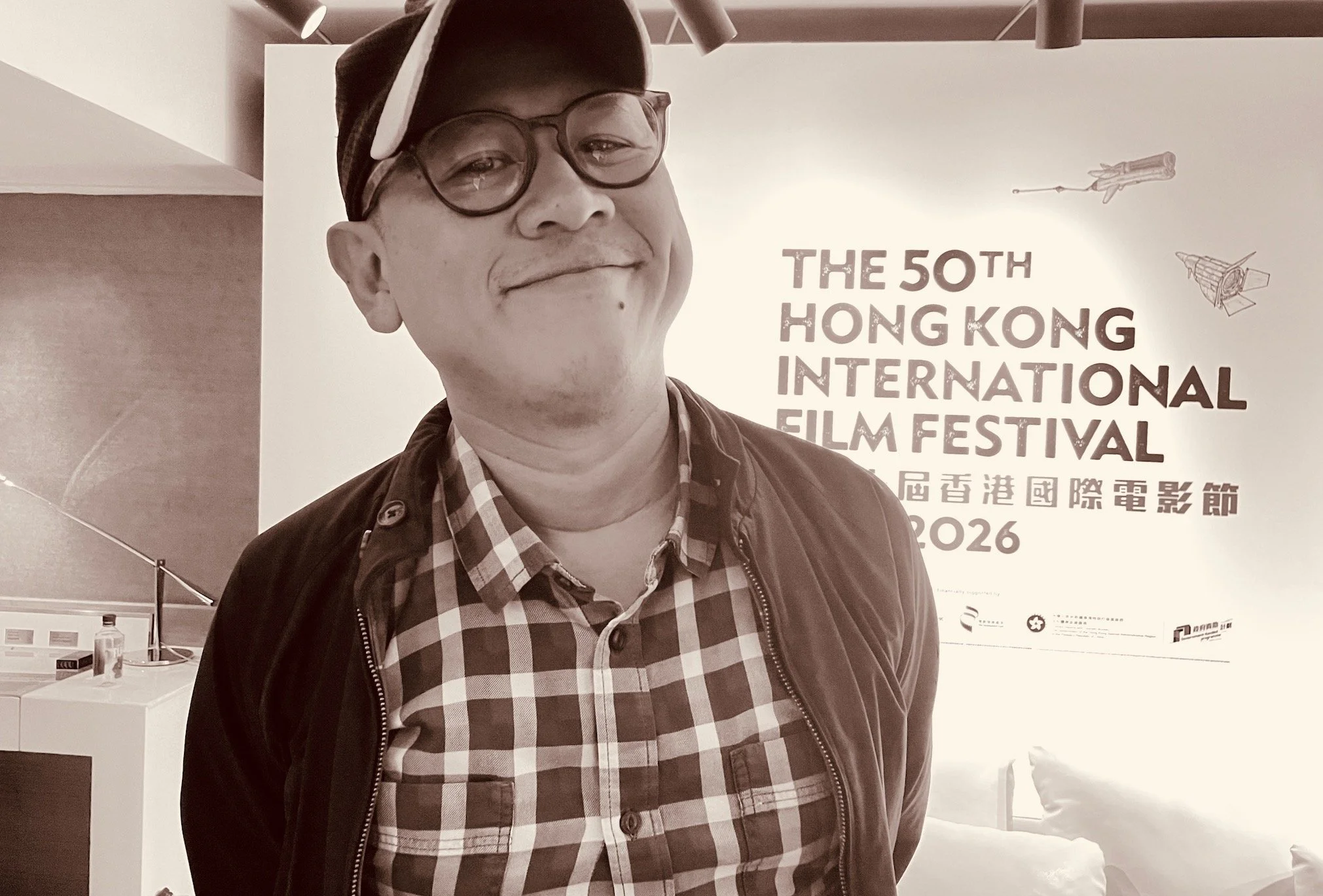
Edwin
Indonesian filmmaker Edwin agrees: No matter how gloriously lush it is on your head, as soon as hair – any hair – is separated from the body it grows from it’s just disgusting. “I’m quite fascinated with hair, and I think a lot of other parts of [Asia] are too,” he begins by way of explaining both the wig factory location of his first deep dive into horror and the monster as a hirsute spirit bent on eternal life. He’s not kidding. Ringu and The Grudge made black straggly hair crawling at you from the TV into a collective nightmare in just a few short years, unwieldy hair is a plot point in tons of K-horror, and was key to The Bride with White Hair and Brigitte Lin’s freak-out in that Hong Kong classic’s climax. “It’s part of our body that’s important, that we see growing and falling out as very routine, and that you can find everywhere – in food, in the drain. So from that point, it’s already something interesting to explore.”
And explore it he does, along with body horror, youth, beauty, folklore and labour exploitation (!) in Sleep No More (below), one of HKIFF’s Midnight screenings this year and Edwin’s latest foray into genre filmmaking after the mystery thriller with Borderless Fog (2024) and action comedy in Vengeance Is Mine, All Others Pay Cash (2021). With “a lot of crazy things happening” in Indonesia these days – it’s the world’s next great manufacturing centre with a growing economy and governance that runs hot and cold – Edwin chose horror because as Indonesians make it, “It can be scary and funny, there’s a lot of culture connected to the kind of things that we don’t understand.” He cites a rich heritage of ghost myths, shamanism, folk rites and news headines feeding the genre’s current boom. “Those traditions are reality for us, so why not explore them and make a horror villain out of everyday life, with no connection with spirituality when we have a socio-political conditions to pull from?”
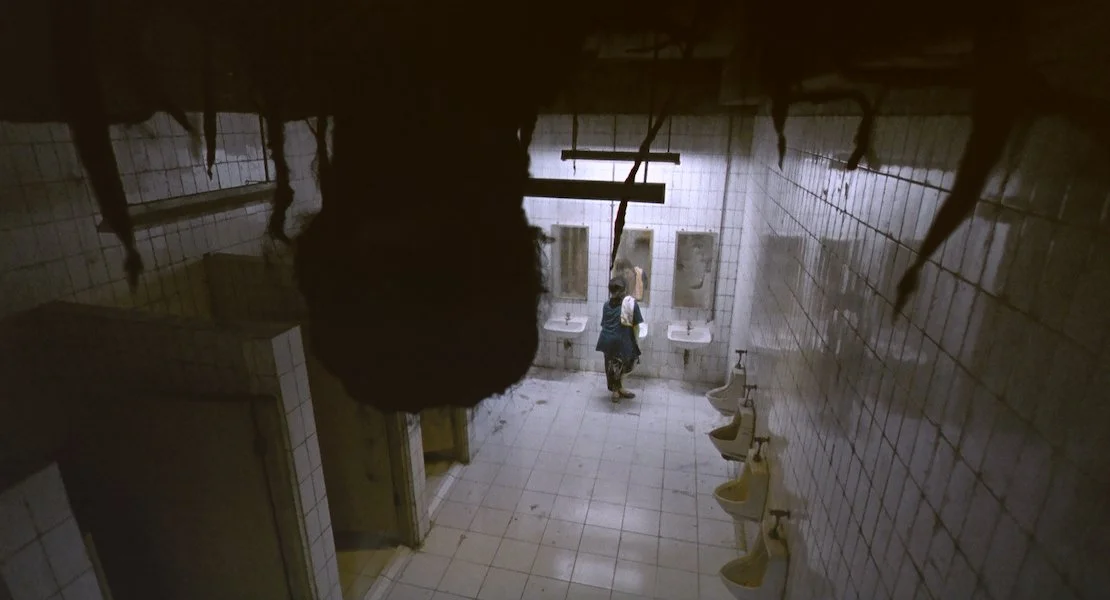
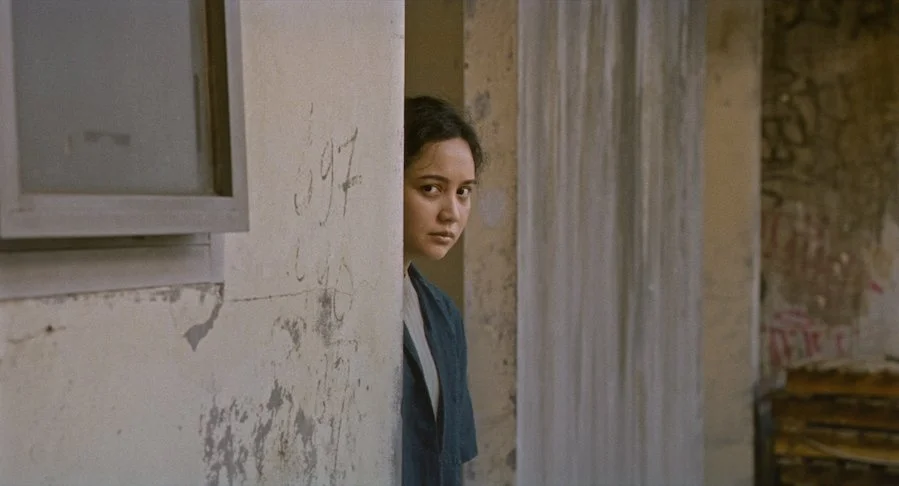
The Surabaya-born writer-director mixed contemporary economics news with haunted factory urban legends he’s heard since childhood for Sleep No More, in which sisters Putri (Rachel Amanda) and Ida (Lutesha) try to untangle the mysterious death of their overworked mother at a wig factory. Putri thinks it was a suicide, while Ida thinks demonic possession is at play. Also wrapped up in the amateur investigation is their brother Bona (Iqbaal Ramadhan), whose gift of random body regeneration has made him a target of an apparition lingering around the factory. It goes without saying that the factory’s manager Maryati (Didik Nini Thowok) has a stake in how the decaying facility treats its very literal human resources as parts to be consumed, exhausted and replaced willy nilly. The title refers to how the workers work themselves to death.
By that token Edwin opted for gooey, hairy, gnarly practical effects to make its point, practical “With a little bit of digital compositing, but no CGI. There’s no 3D elements,” says Edwin. “I’ve done visual effects with CGI and it took so long, and it’s difficult for the actors. Filmmaking for me is a human interaction, and with practical effectst there is something you can touch, and that helps actors give better performances. I still believe in this kind of filmmaking.” He holds the likes of John Carpenter and David Lynch as guiding forces for Edwin’s own brand of gonzo horror, but can see it bleeding out into other parts of filmmaking, which is coming to the fore for the country’s recent horror renaissance: The Book of Sijjin & Illiyyin, Levitating and The Train of Death are just a few that spring to mind. Why, Edwin agrees, is anyone’s guess.
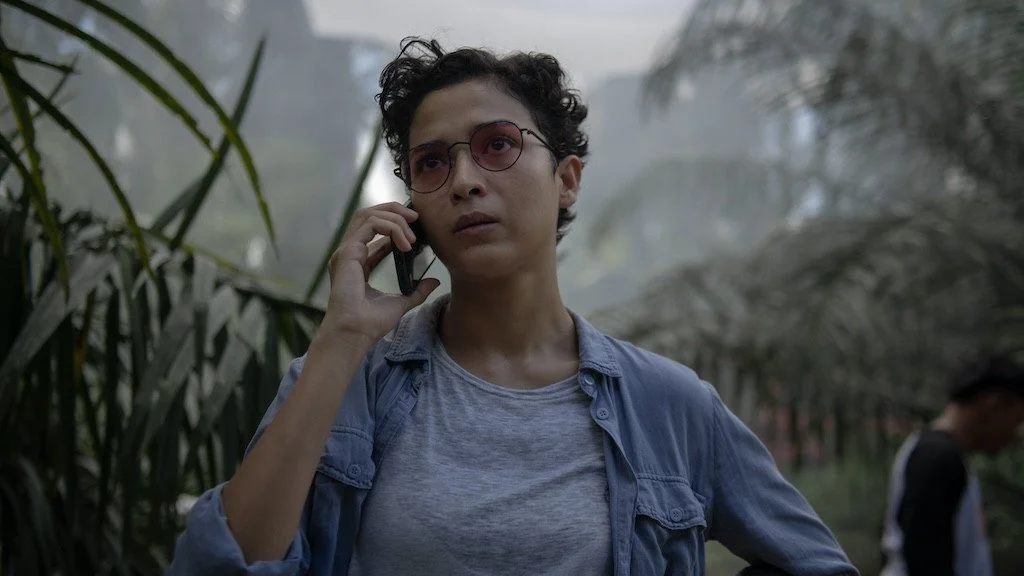
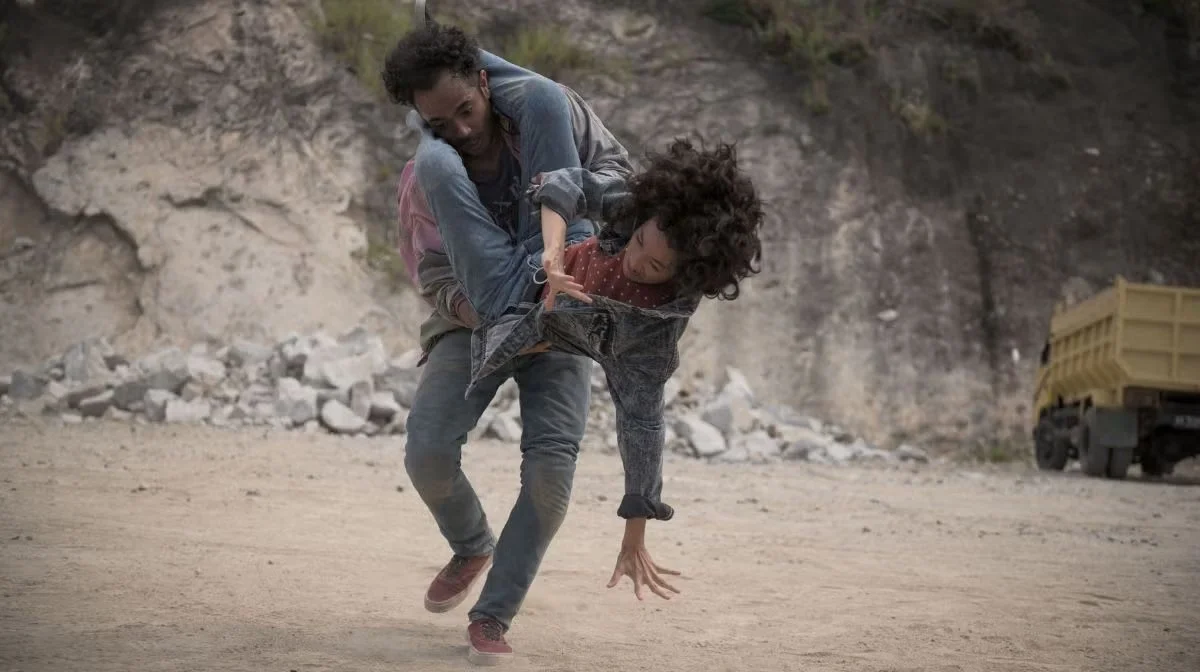
“I don’t know. Our references work on our subconscious, and that’s part of the experience. Maybe it’s because Indonesian horror is fun and funny as well as scary. Hereditary, for example, is quite a serious film, and I think nowadays filmmakers trying to make everything make ‘sense’ with horror,” he theorises, adding that because audiences now have a better chance than at any time in the past to hold of all types of films and storytelling from all corners of the globe it’s allowed filmmakers to stretch horror conventions to their limits and beyond. Edwin himself has let his collaborations with Masahiro Kobayashi and Zhang Lu in Strangers (from 2013) and later on Asian Three-Fold Mirror 2018: Journey (2018) with Daishi Matsunaga and Degena Yun seep into his work. “I think making movies is about exploring different perspectives too. I’m not really obsessed with the product; I respect the process, and when we have a different perspective, it’s always valuable.” Carpenter is all over Sleep No More, particulary in the stalker-y, ghost hairball and Bona’s hilariously disturbing body parts in their re-growth stage. The same palpable body horror is on display in Sijjin & Illiyyin, Levitating and Train, and it’s being embraced by audiences who are, anecdotes suggest, are CGIed out.
Of course, that access Edwin refers to as a boon for viewers and filmmakers is something of a double-edged sword. Yes, it’s time to slam the streamers. Streamers make for great consumer choice, and there are few film nerds that would argue against easier access to more films, even if they do have to fight for choice. Ditto for artists who, ultimately, welcome platforms that can provide broader exposure for their work. But that sword becomes a self-fulfilling prophecy, as “[Streamers] can be a challenge in terms of creative freedom, because most of these online platforms work with data and algorithms and it’s not easy to respond, yet the platforms expect it.” He pauses and gives a shrug. He’d prefer a communal experience on a big screen for most films but has to admit. “I don’t think we can go back now.”
Where we were
The Mira Hong Kong, TST • Hong Kong International Film Festival
Hong Kong • April 11, 2026