
and here all this time we all thought blue-suited execs were loyal at least to each other…
No Other Choice
Director: Park Chan-wook • Writers: Lee Kyoung-mi, Lee Ja-hye, Don McKellar, Park Chan-wook
Starring: Lee Byung-hun, Son Ye-jin, Lee Sung-min, Yeom Hye-ran, Park Hee-soon
South Korea • 2hrs 19mins
Opens Hong Kong October 16 • IIB
Grade: B+
What’s the quickest way to get the job you want and desperately need in an era of corporate consolidation, union-busting and a complete and total disregard for worker dignity? The answer is not, shockingly, to rack up as many “Likes” as possible on whatever social media is trending. It’s to kill the competition. Literally. That’s the basic story in Donald E Westlake’s 1997 novel The Ax, about a Connecticut paper executive downsized in an effort to boost profits, in Costa-Gavras’s 2005 film Le couperet, the same story with a decidedly EU spin, in which French paper mill jobs outsourced to Romania, and now in Park Chan-wook’s No Other Choice | 어쩔수가없다. Yoo Man-su (Lee Byung-hun, reuiniting with Park after the latter made him a superstar in JSA) has put 20 years into his job at a South Korean paper mill when one day the rambling house, tennis lessons for his wife Mi-ri (Son Ye-jin, still riding on The Classic), Netflix and pricey cello lessons for his kids Si-won and Ri-won (Kim Woo-seung and Choi So-yul) and alfresco lifestyle are threatened with bitter ends when an American conglomerate swoops in, buys the mill and immediately lays off the most expensive staff. When he tries to confront them, the Yankee execs says they have “no other choice,” a refrain that pops up again and again throughout the film as if to justify malicious behaviour.
Park seems to be joining Bong Joon-ho in shitting all over the rat race of late stage capitalism (this is a trend that’s gaining traction) and for sure Bong’s Oscar-winning Parasite is a better companion to No Other Choice than Park’s last film, 2022’s Decision to Leave. Choice and Parasite are similar pitch black satires that are effortlessly mashed up with psychological studies and crime thrillers to create an angry, potent skewering of constructed class division and dividend-driven corporate culture. What Choice shares with Decision is elegant, studied formalism that’s simply amazing to behold. The problem is when Park did this in ’22 it was a clinic in manipulating images to maximum effect, and the culmination of his filmmaking to that point. Seeing it the second time around simply isn’t as exciting. It certainly doesn’t mean No Other Choice isn’t a visual masterwork. But it takes a while to really pick up steam, and we’ve seen Park (a director known for shaking things up) in this gear already.
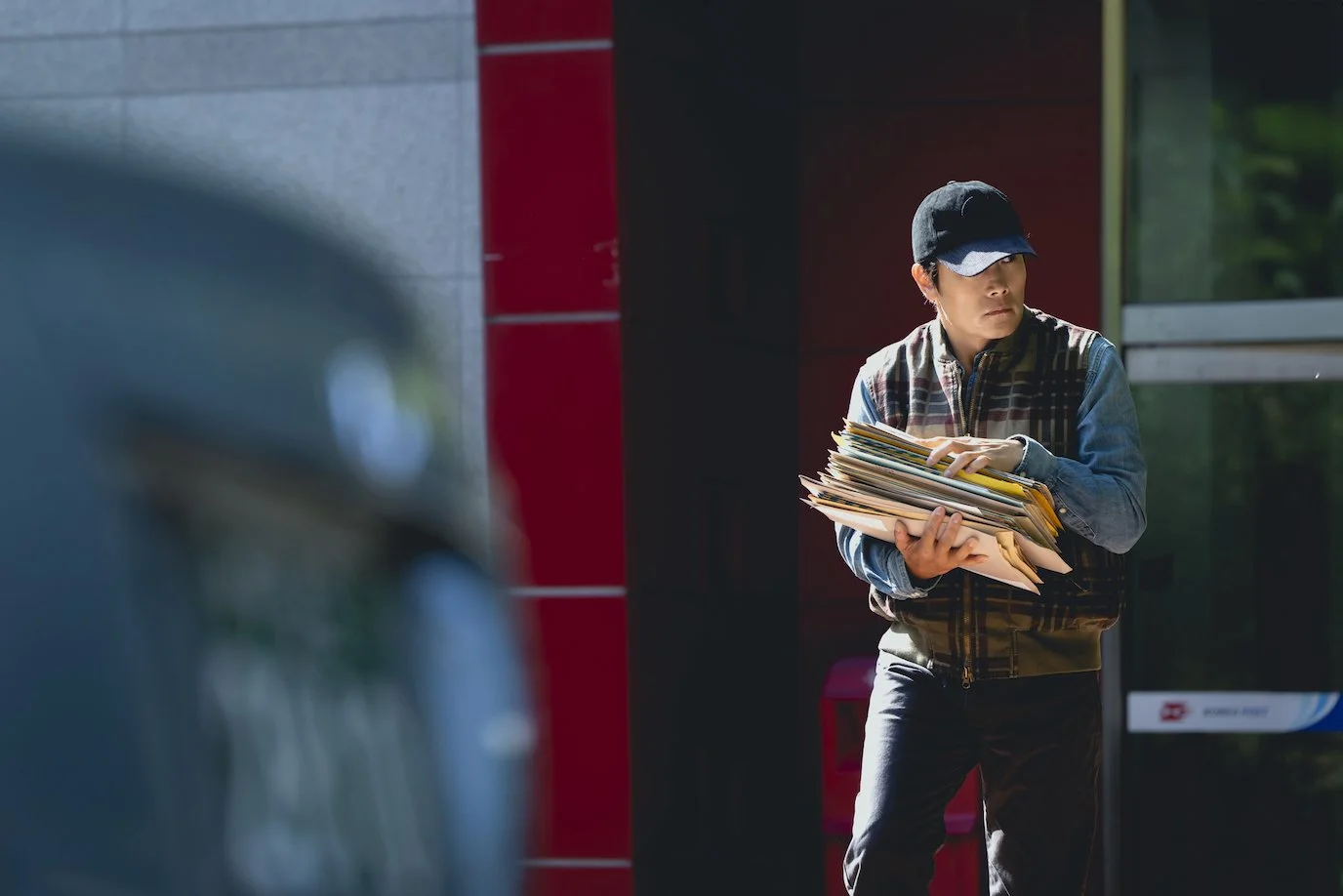
Have you tried ZipRecruiter?
Man-su spends month after grim month toiling away at menial jobs beneath his professional status, getting humiliated and humiliating himself while on a job hunt. He’s in paper. It’s a specific industry and the few – or one – job that becomes available could go to any of Man-su’s rivals. Among those are the sweet-natured Ko Si-jo (Cha Seung-won, Believer), currently working as a shoe salesman; the self-pitying Gu Beom-mo (reliable verteran Lee Sung-min, 12.12: The Day), drinking away his days, much to the irritation of his actor wife A-ra (Yeom Hye-ran, Special Delivery); and the slightly arrogant Choi Seon-chul (Park Hee-soon, Squid Game), the only paper vet still working in the trade. Man-su’s got a rotten tooth, his son is getting in trouble with the cops, he’s worried Mi-ri has taken up with another man, and some asshole wants to buy the family home and turn his beautiful backyard greenhouse into a putting range. A guy can only take so much, and after one crappy interview too many, Man-su takes his wife’s advice to “slay” the compeition to heart.
All that set-up takes a leisurely 45-odd minutes, and makes No Other Choice a bit of a slog in the early going. It’s not without its bright spots. Watching Man-su blow a potential shoe-in at the interview stage is precision cringe comedy, his first disastrous murder – set brilliantly to Cho Yong-pil’s “Redpepper Dragonfly” – is gold, and Park and writers Lee Kyoung-mi, Lee Ja-hye and Canadian (!) Don McKellar (presumably on hand to “translate” the American of it all, either that or an early scout for an actual American film) seed the film with all the necessary symbols and cues that makes the back half of it pay off. It’s worthy, but it could be more streamlined. DOP Kim Woo-hyung (1987: When the Day Comes) and editors Kim Ho-bin and Kim Sang-bum exploit some of the same visuals Park used to mirror his characters in Decision, and they look great. They just lack the storytelling punch they had in the earlier film.
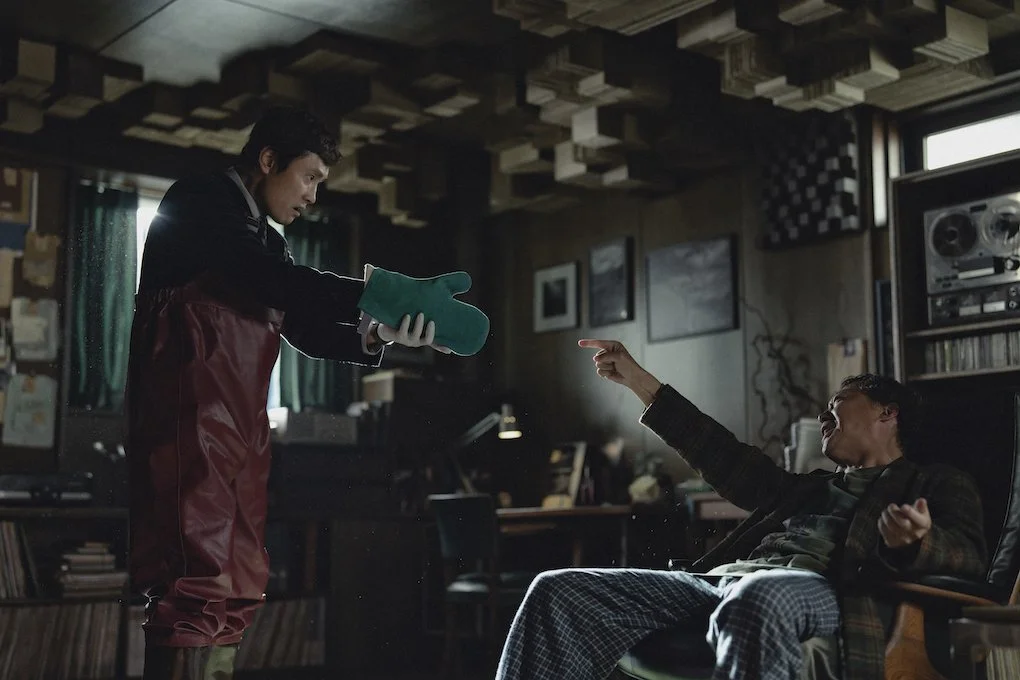
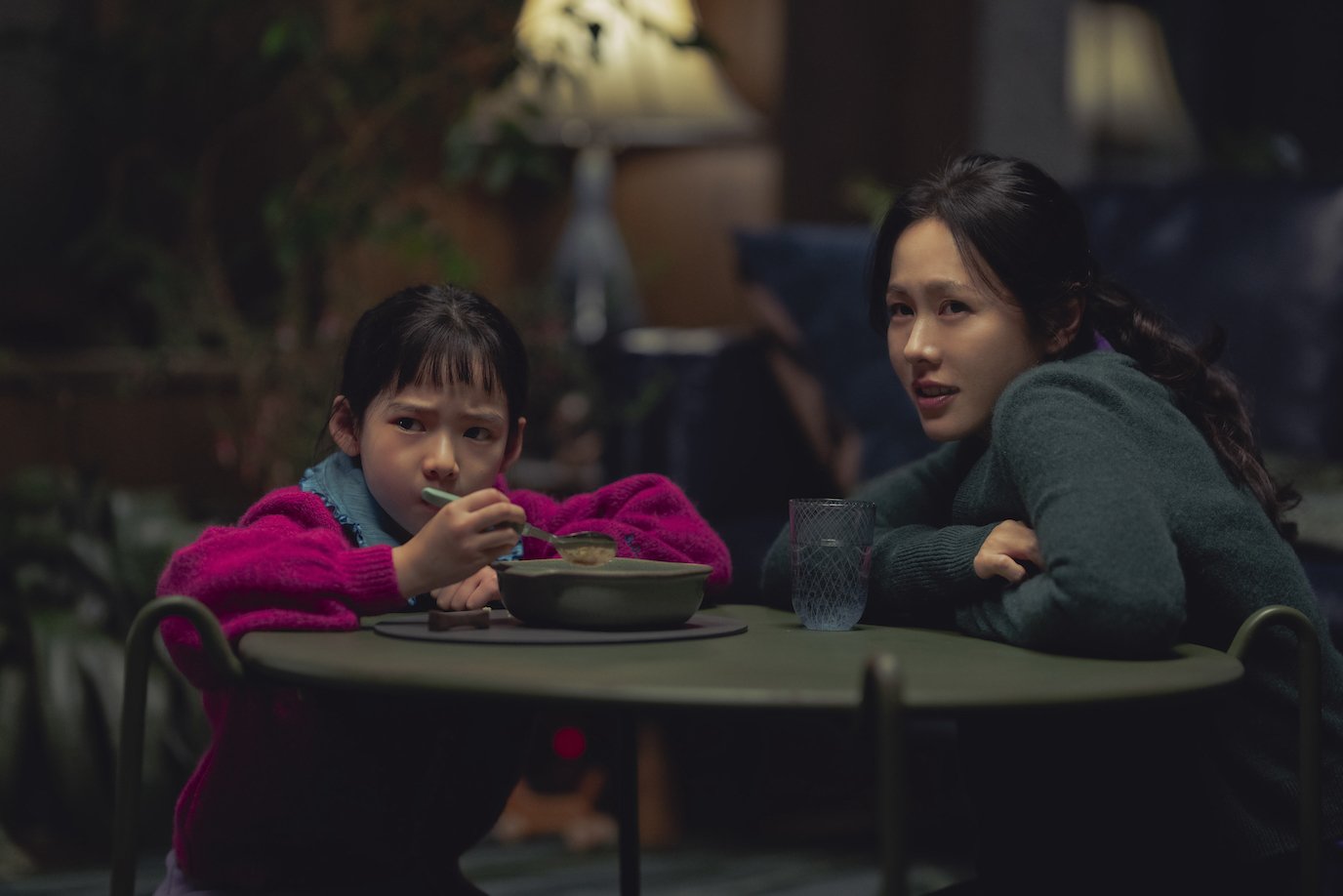
Park’s “good” is superior to a lot of filmmakers’ best, so when I say the first act is a slog, that’s relative. Woven in among the black comedy and early slapstick are some nuanced performances that go a long way to holding No Other Choice together. Beom-mo, Si-jo, Seon-chul and Man-su all have complex home lives, and Park takes time to show us what each is so terrified of losing. This is worth the space. As Beom-mo, the other Lee manages to roll pathetic, resentful, legitimately hurt and fearful into one perfect package that comes to an anarchic, absurd climax at his death, tying the personal and professional together in a way that too many men (yes, men) still think is the only true metric of success. Star Lee is at that stage of his career where he’s almost old guard; a veteran that’s enjoyed an equal share of acclaimed performances as scandals, and is using his Hugh Grant status to do shit he feels like doing. In this case it’s being funny. Most of us can imagine Lee being cool (A Bittersweet Life), psychotic (I Saw the Devil) and sexy (hell yes, The Good, the Bad, the Weird), but rarely funny, and what do you know? He’s good at it. And he balances the dark humour with empathy and horror, without which the entire movie collapses. We have to get Man-su’s acutely contemporary frustration to backhandedly sympathise with his drastic actions (it’s a straight shot from Man-su to Luigi Mangione) and abject refusal to just move on or adapt. No Other Choice is one of those movies that lingers, and will sit with you long after the ambiguous final shot. Not as gutting as Decision to Leave, not as triumphant as The Handmaiden, somewhere in the furious grey zone in between.