
Nagase V2.0
Chie Hayakawa follows up her senior citizen drama with a coming-of-age story anchored by a star-making turn.
Renoir
Director: Chie Hayakawa • Writer: Chie Hayakawa
Starring: Yui Suzuki, Lily Franky, Hikari Ishida, Ayumu Nakajima, Yuumi Kawai, Ryota Bando
Japan / France • 2hrs 2mins
Opens Hong Kong July 30 • I
Grade: B-
Naomi Kawase burst onto the world cinema stage way back in 1997 with Suzaku, and soon became known for her lyrical, autobiographical meditations on motherhood, death, nature, memory and reality: The Mourning Forest, Still the Water, True Mothers among 40-odd other shorts and features. She has since become Cannes royalty – one of those filmmakers whose genius is never questioned because Cannes says she’s a genius. I can imagine not getting into a given edition of Cannes causing her a serious existential crisis. But her work is often just as leaden and aimless as it is “genius” and I don’t mean to dunk on Kawase. She’s not the only annointed filmmaker working (looking at you Hong Sang-soo and Quentin Tarantino), but Chie Hayakawa is unfortunately giving off Kawase-ish annointed vibes.
Hayakawa draws comparison to Kawase because duh, Japanese women, but also because of Hayakawa’s similarly personal second feature, Renoir | ルノワール, a languid (stunted) and meandering (unfocused) coming-of-age drama set in 1980s Tokyo. Hayakawa’s emergence has been a bit faster; she made waves for her contribution to Ten Years Japan in 2018, with the short segment that was expanded into her debut feature Plan 75 (a special mention winner at… checks notes… Cannes) four years later, and now Renoir, in competition at… Cannes! Plan 75 took an enormous social quagmire – an rapidly ageing society – and made it into a narrative football she ran into challenging and creative territory less about old people opting to check out and more about how all of us choose to live.
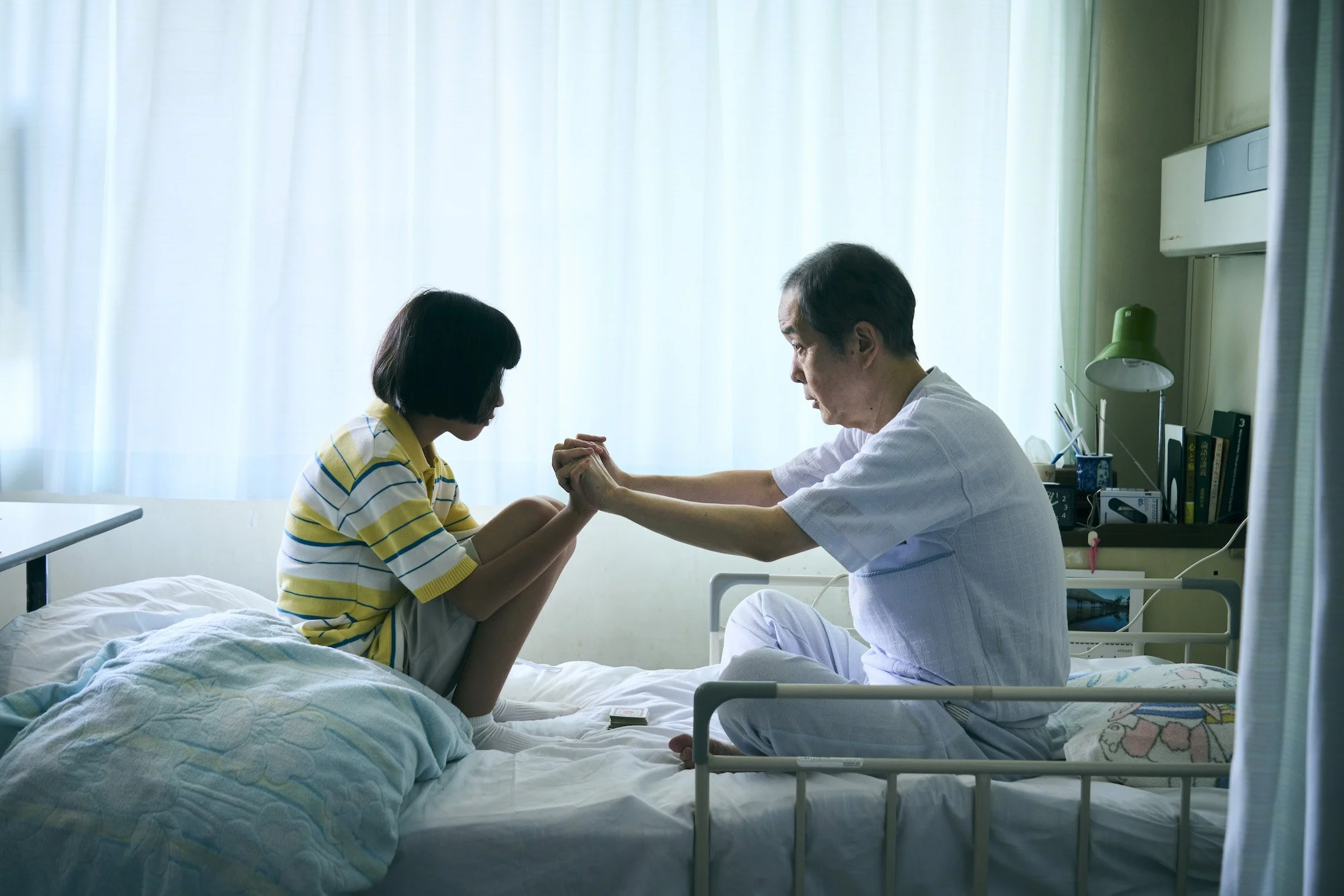
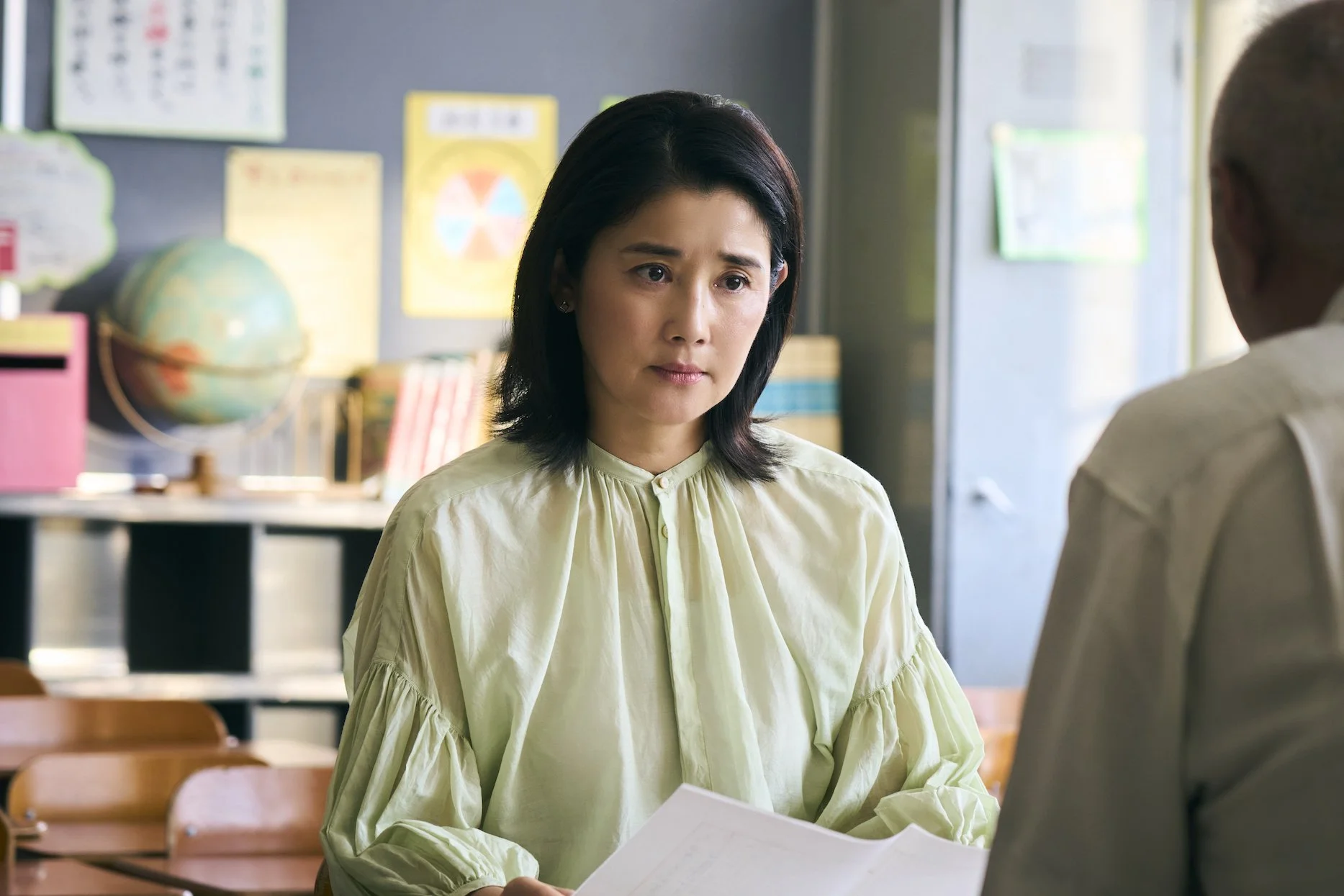
To be precise, the summer of 1987 is the moment – or more like series of random moments and benchmarks – when slightly odd and totally unnerving 11-year-old Fuki Okita (Yui Suzuki, pitch perfect in her debut) grew up. We meet Fuki when she’s reading a story to her grade five class called “I’d Like to Be an Orphan”, which is a fantasy ruminating on just that. It spooks her teacher, who calls her mother Utako (Hikari Ishida), an overworked executive of some sort who’s under a great deal of personal stress. Seems Utako’s husband, Fuki’s dad Keiji (Lily Franky, being Franky) is in the end stages of terminal cancer. The situation makes Utako distant and distracted, and evidently curt at work, because way back in progressive ’80s Japan (?) she’s ordered into sensitivity training (!) after a complaint from a subordinate. That brings her into young, handsome instructor Toru Omaezaki’s (Ayumu Nakajima, Anita) orbit, for better and worse.
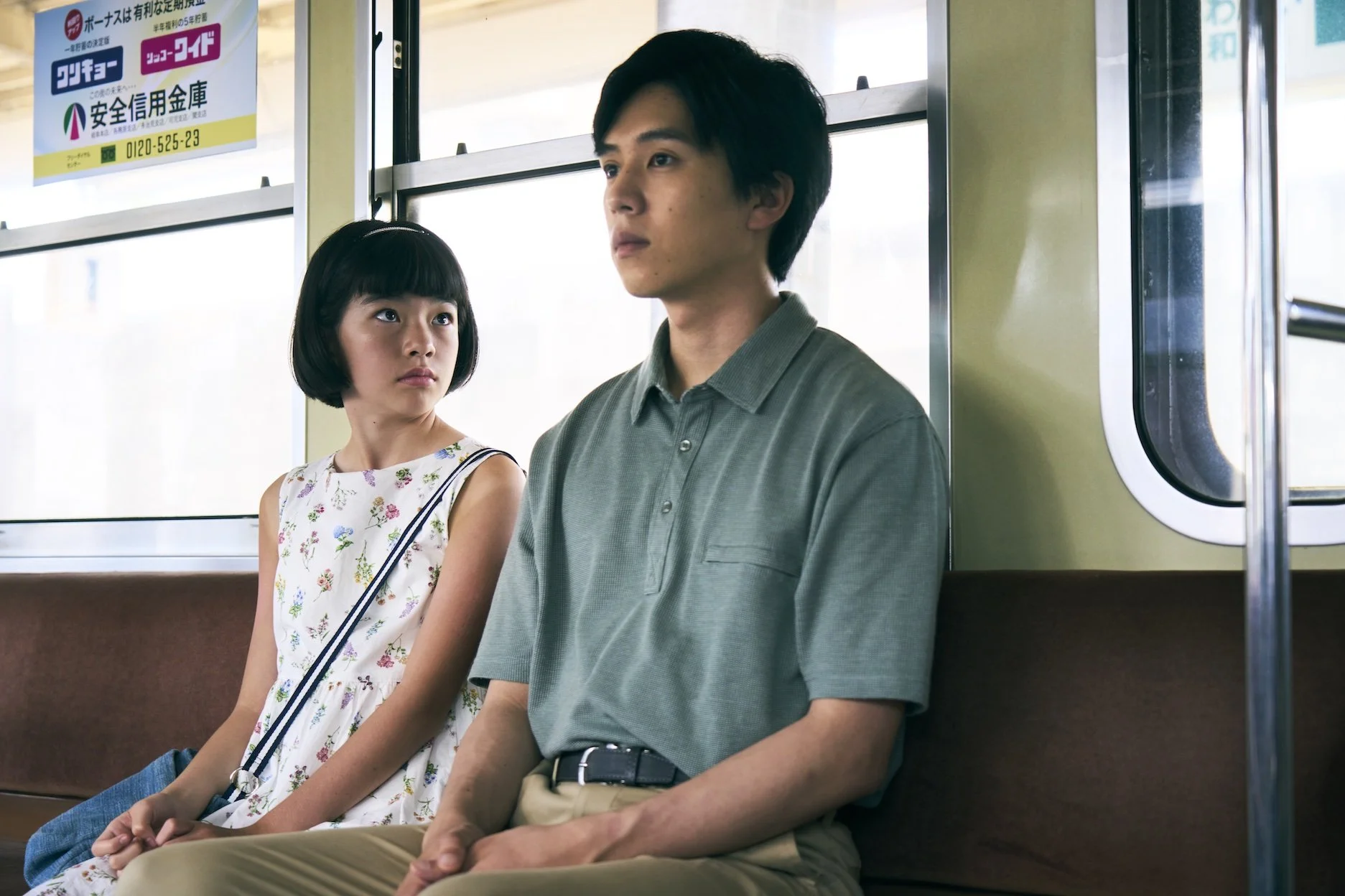
While all this is going on, Fuki’s increasing isolation at home has her running smack into all manner of life-altering encounters. She loses her only friend from school when the girl moves away at the end of the term, so her only constant companion becomes a mentalist-type magician she sees on television, whose cornball hypnotism schtick she fixates on. She has a brief connection with a young widow neighbour (Yuumi Kawai, Two Seasons, Two Strangers), and then meets Kaoru (Ryota Bando) on a phone personal ad service (it was the ’80s), a kid in his late-teens, possibly early-20s, who knows good and goddamned well Fuki is 11.
Hayakawa is on record stating Renoir is semi-autobiographical and very much rooted in her own memories of life with a terminally ill parent, but it is primarily a fiction that grew from those memories. So plenty of extra threads are woven into the film, and despite the volume of… stuff swirling around Fuki – the growth of Japan’s economic bubble, its first real push into Western culture, seismic shifts in social values – Renoir more often than not just runs on the spot. Hayakawa does an admirable job of rendering the world from an child’s-eye view; plenty is unresolved or unexplained in the way kids can’t fathom things, particularly about Utako and the enigmatic Toru, and it’s never clear if the film’s opening salvo of a child murder (and the sensational tabloid TV covering it) is real or drawn from Fuki’s hyper-observant imagination. But it makes the film bizarrely overstuffed and painfully spare.
Thankfully it’s rescued by Suzuki in one of the best child actor performances of recent memory. Good thing, because that spare tone comes across as scattered and glacial rather than considered or probing. This is a Cat I film, so Hayakawa steers clear of anything super-dark; Fuki’s encounter with Kaoru is a lesson in reality rather than the basis of a massive trauma, but what was that child murder? Pierre-Auguste Renoir, whose painting La Petite Irène Fuki also fixates on, gives the film its title, but it may as well be a MacGuffin it has so little meaning in the grand scheme. And this is where the Kawase connection comes in. The Renoir reference feels like an attempt to intellectualise the film and make sure we all know it’s Great Art, rather than a modest exploration of the cascade of events that make a girl a young woman. Which would be plenty. Hayakawa obviously has a singular perspective (and a way with children) but right or wrong, the overenthusiasm that’s been attached to Renoir does no one any favours. Except for Suzuki. Watch out for that one.