
Friends for Lives
Ildikó Enyedi taps Tony Leung for her latest deep dive into the vagaries of nature and solitude. You’re in or you’re not.
Silent friend
Director: Ildikó Enyedi • Writer: Ildikó Enyedi
Starring: Tony Leung, Léa Seydoux, Luna Wedler, Enzo Brumm
Germany / Hungary • 2hrs 27mins
Opens Hong Kong May 14 • IIB
Grade: B+
In the event you’re unfamiliar with the work of Hungarian filmmaker Ildikó Enyedi, you really just need look at her 2017 Golden Bear winner, On Body and Soul. That film was about two abattoir workers who share a dream about being deer in a forest (truth), and then enter into one of the most awkward romances of all time. Key to that film was its dreamy, cerebral quality, which also turned the lens on the natural world and our place in it, and capped it off with a vaguely supernatural grace note that has practically defined Enyedi ever since. Needless to say she’s back at it with Silent Friend (Stille Freundin), her epic, time-jumping treatise on connection and loneliness.
In 2020, neurologist Dr Tony Wong (Tony Leung Chiu-wai) is studying the brain activity of newborns as a visiting professor at Marburg University when, lo and behold, COVID breaks out (again with the COVID) and he’s stuck in quarantine in Germany. With distanced co-research help from French botanist Dr Alice Sauvage (Léa Seydoux) he decides to run some cognitive experiments on a ginkgo tree in the nearby botanical garden that’s a couple of hundred years old. The school’s cranky superintendent Anton (Sylvester Groth) takes great umbrage with these experiments. Back in 1972, square farm boy Hannes (Enzo Brumm) starts classes at Marburg U, and eventually loosens up enough to befriend cool, weed-smoker Gundula (Marlene Burow), who’s studying the connection between human and plant life (I bet she is). Hannes spends a lot of time lying in the grass (heh heh) near the ginkgo. Back farther, Grete (Luna Wedler, The Forger) becomes Marburg U’s first woman botany student in 1908, despite the board trying to chase her off. When not in classes or hanging out with sympathetic young professor Thomas (Johannes Hegemann), Grete is running around the ginkgo with what feels like a Vestal cult.
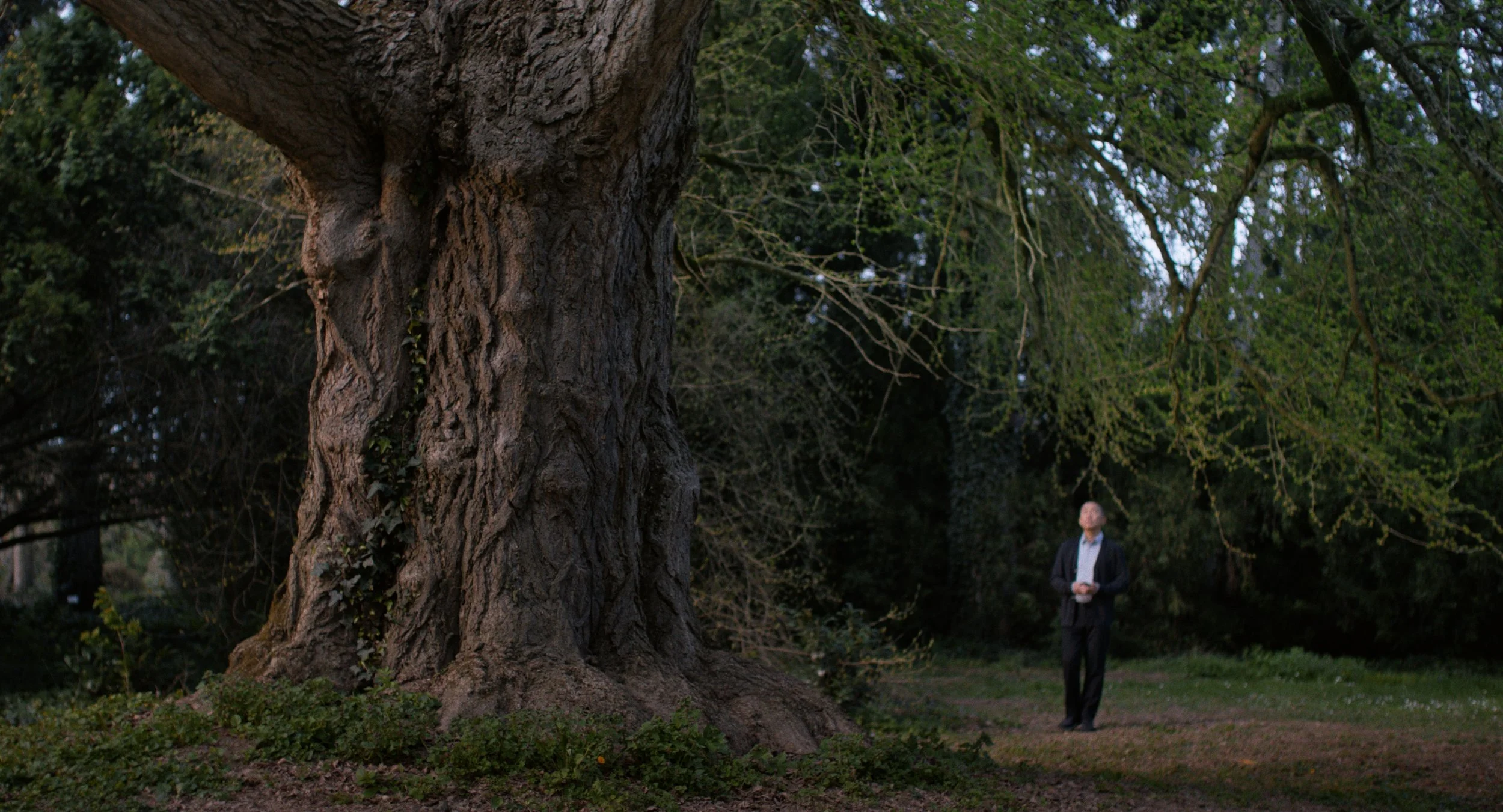
Friend may be understating
For all intents and purposes, Tony, Hannes and Grete are the same person, each balancing their solitude and its ensuing stillness as fits their period of history. And each has the same gingko tree, the same silent friend, to turn to when they are at their most solitary – though Tony may take things to an extreme. In her singular Enyedi way, sound, image and performance come together to smother us with idea and feeling rather than action. Which is fine, but it’s the kind deliberate and deliberately philosophical ruminating that you either vibe with or you don’t. When Silent Friend works it’s almost entirely because Leung, Brumm and Wedler (who won the Marcello Mastroianni Award at Venice for her performance) effortlessly signal that loneliness and, in many way, the curiosity it engenders. Come on, Leung is a master of the rueful glance.
Enyedi’s follow-up to Body was the groaningly languid The Story of My Wife (starring Seydoux), but here she has a better handle on her slightly strange material. For all the effort Tony, Hannes and Grete put into perceiving the natural world around the, Enyedi asks how it sees us. Cat? Sure. Dog? You bet. A house plant? That’s new, and timely considering the mess we’re making of anything green. Tony investigates by attaching a variety of high tech sensors to the gingko, and then maybe getting it all hot under the collar with a male seed sample from Sauvage, Hannes finds a way to talk to Gundula’s floral experiment and ensure he never gets locked out ever again. But the back and forth of recognition, respect, affection and connection are what drive half the narrative. The other half is consumed by loneliness: Tony’s by physical distance, Hannes’s by his nerdy anti-urban otherness, and Grete by her gender.
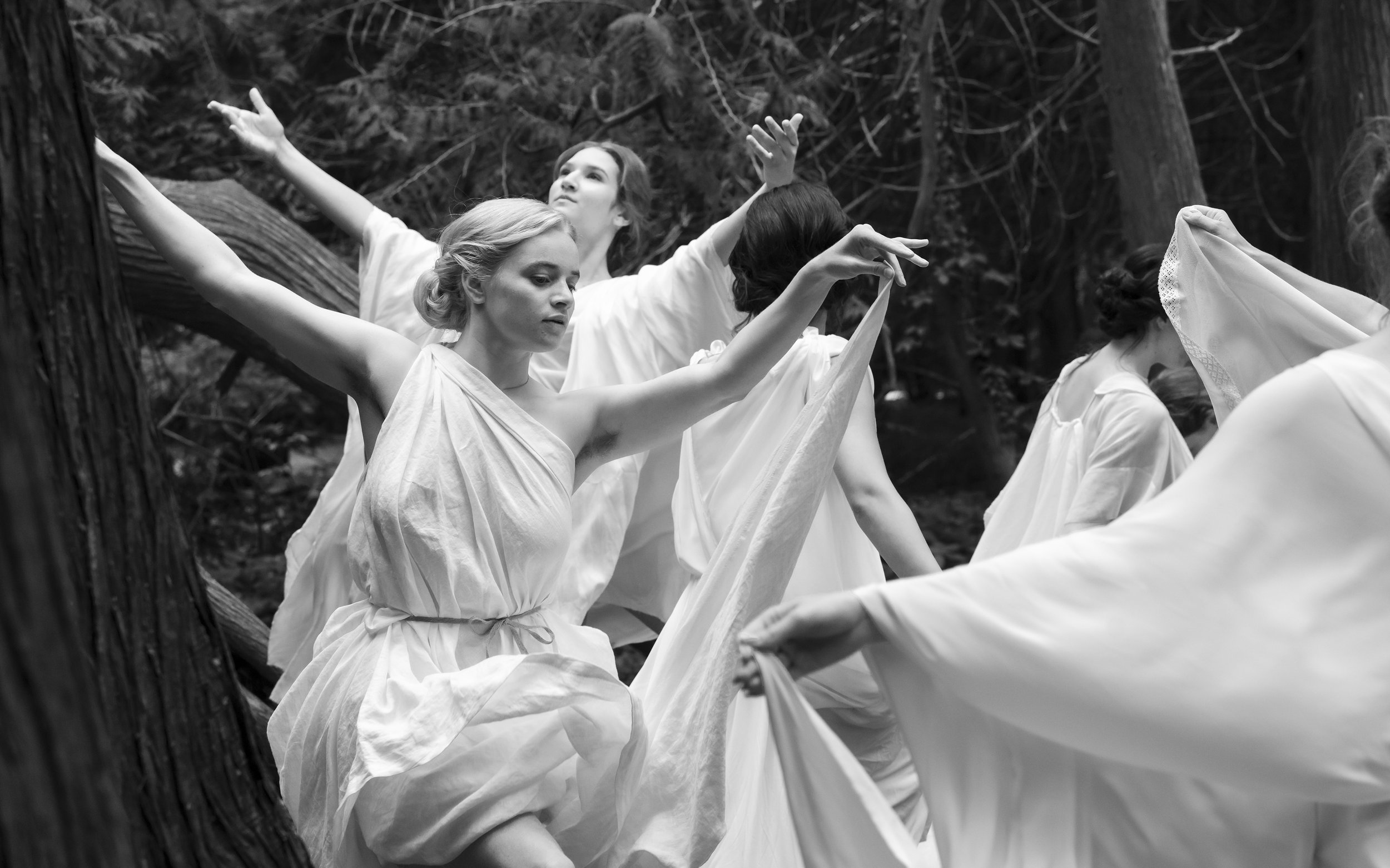
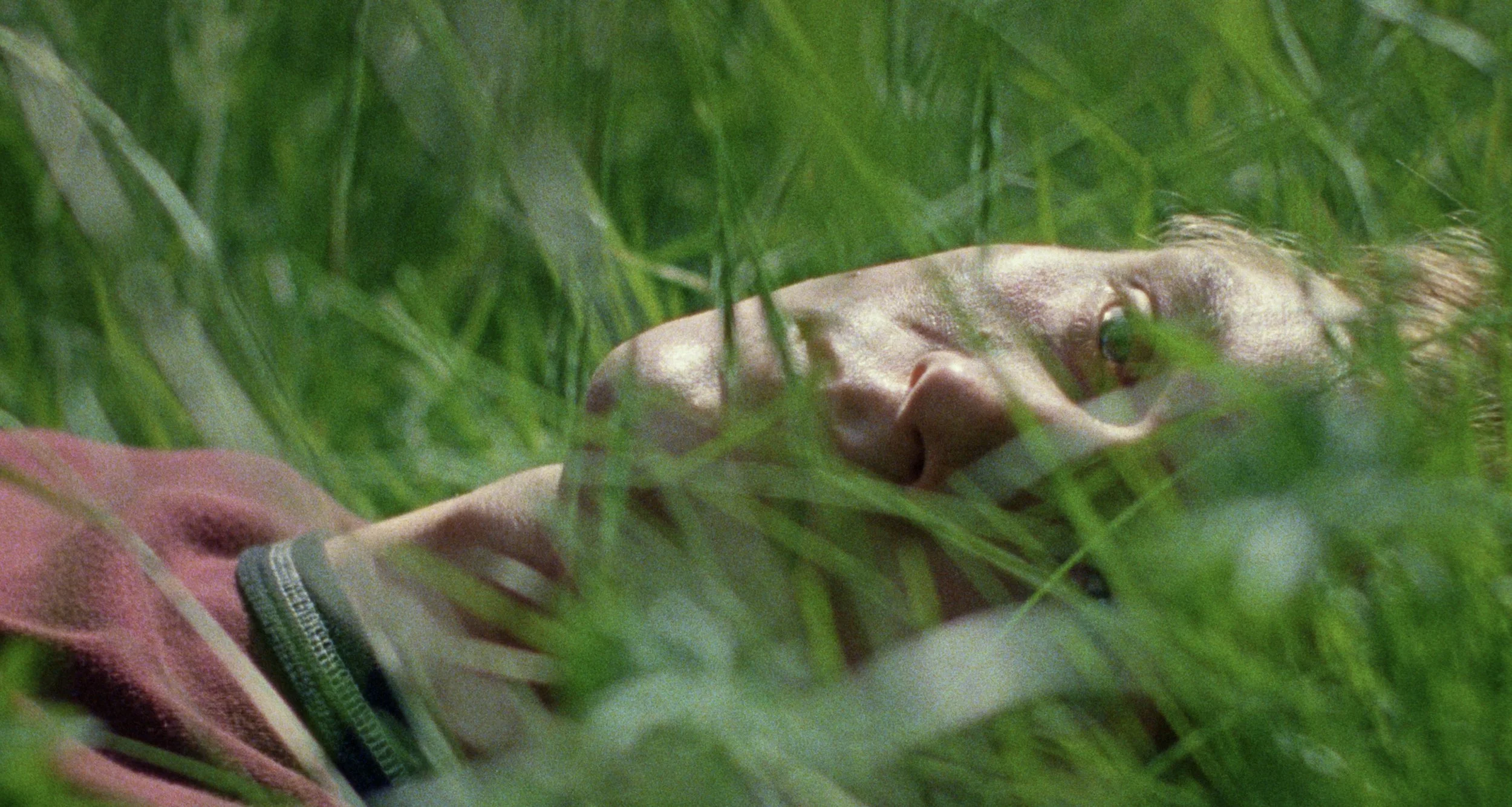
Shot in three period-appropriate visual languages – the digital sharpness of Tony’s 2020s, a dirty-grainy ’70s tone for Hannes, a rich and evocative black and white for Grete’s 1900s – cinematographer Gergely Pálos and editor Károly Szalai move through time seamlessly; the leaps are never jarring or unwelcome, particularly since Enyedi, Pálos and Szalai all make the old university gate our entry point into the story, resetting our emotional barometer with each move into another time in the life of the gingko. Because in the end, the tree is the star, its is the consciousness (to just go with Enyedi’s flow) that we tap into and it’s almost as if it’s from the gingko’s POV that we’re witnessing these lives. Lest we forget, this is a tree and a seed deeply (though questionably) associated with memory. Silent Friend is one of those unapologetically sensual movies you sink into and allow yourself to be enveloped by, right up to the moment Kristóf Kelemen and Gábor Keresztes overwhelm us with the mesmerising, discordant and revelatory score in the closing frames. That, or you took off halfway through.