
‘Double’ Vision
Joseph Hsu follows some pretty big footsteps (like Edward yang and Ang Lee’s) in his wedding psycho-drama. Wait…what?
Double happiness
Director: Joseph Hsu • Writers: Hsieh Pei-ju, Joseph Hsu
Starring: Liu Kuan-ting, Jennifer Yu, Yang Kuei-mei, Tou Tsung-hua, Tenky Tin, 9m88
Taiwan • 2hrs 10mins
Opens Hong Kong February 26 • I
Grade: B+
Double Happiness | 雙囍 is one of those movies, or at least its trailer and poster art suggest it, that has me on cringe alert from jump. Oh dear, another wacky comedy about kooky relatives running around the wedding venue on the same day, complete with pratfalls and “hilarious” misunderstandings. It actually looks like one dude is getting married to two women (da fuq?) if you don’t pay attention – and news flash, I didn’t. Which means Double Happiness is also one of those movies whose positioning is misleading: it’s actually a delightful, smart family drama with something on its mind.
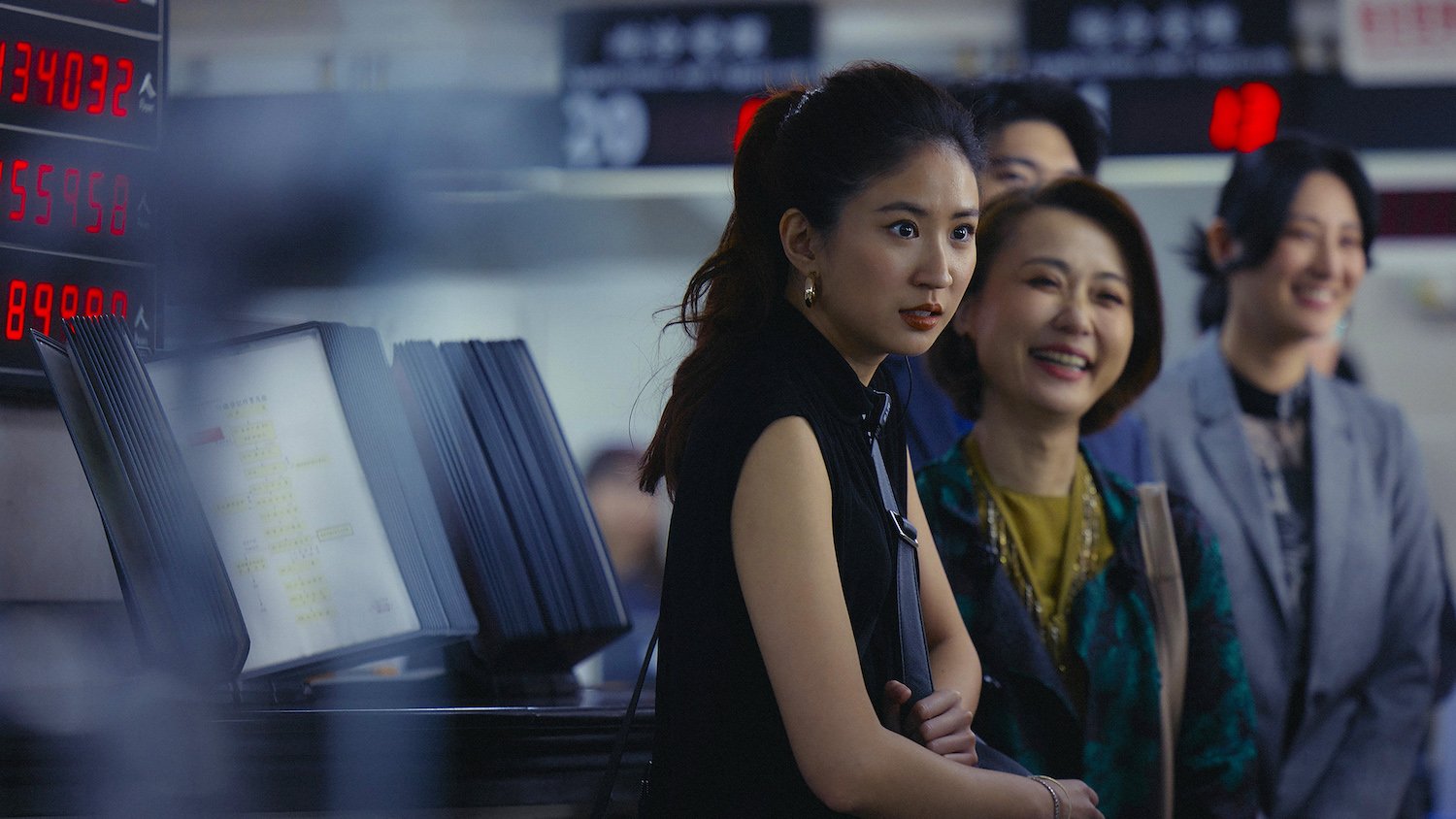
The short version is that it’s simpering hotel chef Tim Kao’s (Liu Kuan-ting, Behind the Shadows) wedding day. The festivities (or human sacrifice, take your pick) are in Taipei at the Grand Hotel, and Tim’s Hongkonger fiancée Daisy Wu’s (Jennifer Yu Heung-ying) family is descending on the city. They include her dad (veteran bit player Tenky Tin Kai-man) and of course The Aunties From Hong Kong, all of which causes Tim, his wedding planner Regina (9m88, Girl) and his best man Tsai (Kent Tsai Fan-hsi, Miss Shampoo) no end of logistics grief.
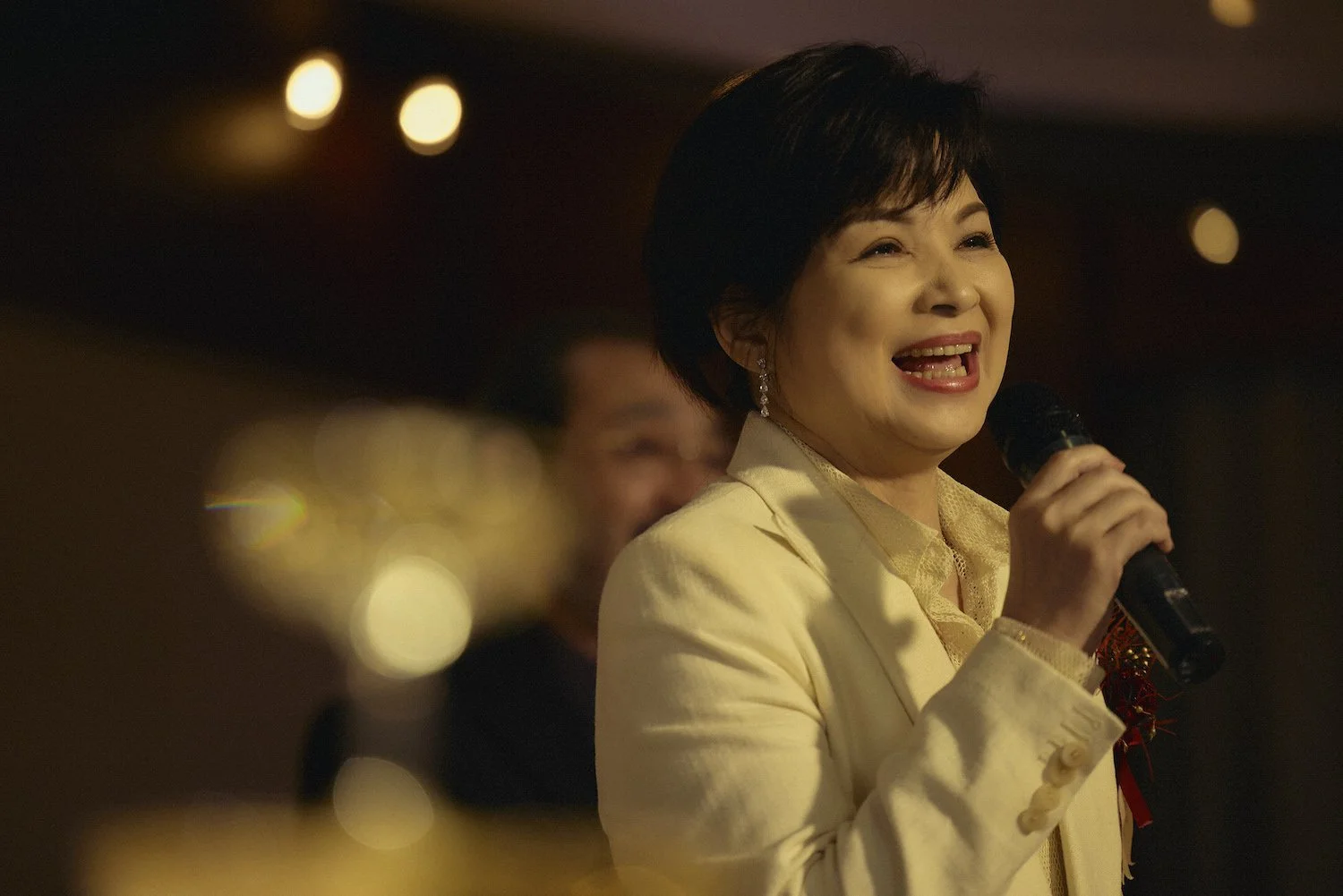
But that’s not the worst of it. Tim’s long since divorced mother Carina (Yang Kuei-mei, Yen and Ai-Lee) and father Frank (Tou Tsung-hua), are still beefing with each other decades later, and so Tim has to pull off two full weddings on the same auspicoius day as per the feng shui master’s advice – tea ceremony, vows, speeches, greetings, the whole thing – staggered at 25-minutes intervals so that Carina and Frank never cross paths, and so neither feels slighted as their son’s nuptial overlord. All at the same venue too. May as well take advantage of that staff discount.

She can do better…
The meat of Double Happiness is in the little details that drag Tim from utter nob to a mostly adult man with enough backbone to finally tell his parents what he thinks and what he wants. Sure, calling Tim a nob is a bit harsh, but that’s essentially the arc that director Joseph Hsu Chen-chieh and co-writer Hsieh Pei-ju build for him. And to their credit they don’t make it that simple. Hsu most recently directed a segment of the anthology love letter Tales of Taipei, but he truly showed off some flash with his first feature in 2020, Little Big Women, a pan-generational dive into the intricacies of ceremony and propriety, and what is expected from and of family when an elderly woman’s long lost philandering husband dies. It’s a good complement to Hsieh’s best work, primarily the criminally underseen Heavy Craving, about an overweight chef (more chefs) so totally consumed with what she’s supposed to look like – according to everyone else – she ignores her own happiness. Both films are funny in parts, both are mostly dramatic, and both cast a wondering eye at the traditions, obligations and beliefs that weigh us down. And lest you go in thinking “Well, Chinese weddings…” STFU. The dynamics that finally push Tim down a garbage chute (long story) are found everywhere, though the film is rooted in Taiwanese culture and loaded with specific symbols.
The funny parts of Double Happiness are scattered in the backstory that leads to Tim and Daisy’s wedding day, with Hsu staging the requisite shenanigans and mix-ups on event day with sweeping tracking shots and frantic camera movement that let us know shit’s hitting the fan. There’s clanging and yelling and Peter Sellers-levels of dodging housekeeping carts, and of course misplaced tea ceremony notes and Carina’s insistence that her new book be handed out as a wedding favour – and a typhoon may be coming. It’s classic wedding farce.
But then Hsu and Hsieh take a serious detour into Tim’s traumatic childhood and unresolved resentment stemming from it, and this is where Double Happiness gets a bit wobbly. For much of the story Liu plays Tim as a tightly coiled, painfully average and emotionally distant nob, particulary when contrasted to Yu’s clear-headed, no-shit-taking balanced person. For most of the film you sit there thinking “What does she see in him?” and for too much of it we don’t know – and Liu doesn’t appear to either. Loath as I am to say it, Tim’s trauma should have been there sooner; it would have made the tonal about face less jarring too.
On balance, though, that’s a minor quibble, because Yu, 9m88, and the rest of the cast pick up the slack where Liu falls short (The Aunties forever) and Yang in particular stands out as Carina, who maybe should never have been a mother, and who Yang injects with just the right amount of defensiveness at her career success. Carina’s been the subject of Tim and Frank’s scorn for ages, and she’s spent her life apologising for her ambition. Double Happiness’ greatest strength is its unwillingness to pander: it doesn’t have a pat ending where everyone forgives each other and sings “Kumbaya”. Hsu and Hsieh have managed to roll the modern realities of divorce, remarriage, cross-border families and questions of who weddings are really for – as represented by the squid ink pasta Tim and Daisy want to serve – into a dramedy about stagnant traditions, divided loyalites and family ties.