
Grow Up
Why is master humanist and ace wrangler of all things juvenile wasting his energy on cloning? Wasn’t that his last film?
Look Back
Director: Hirokazu Kore-eda • Writer: Hirokazu Kore-eda, based on the manga by Tatsuki Fujimoto
Starring: Natsuki Deguchi, Aju Makita, Furi Nanase, Rokka Okada, Masaki Suda
Japan • 1hr 40mins
Opens Hong Kong September 17 • I
Grade: B-
In recent years Hirokazu Kore-eda has been most interesting when he tears his focus away from kids and childhood and turns it towards grown-up shit: The Third Murder, Shoplifters, even his French-language debut The Truth. But it’s not like he hasn’t dabbled in adulthood before. His second feature, After Life, was about dead people moving on, and his third, Distance, was about cult survivors. He can do it. But after Nobody Knows tagged Kore-eda as the world’s pre-eminent director of children way back in 2004, that’s been his brand. His last three films, Monster, Sheep in the Box and to a degree Broker, have been aimless, insight-free slogs, and though he’s only a few years removed from Shoplifters, it feels like that’s been every Kore-eda film since. When cherubic grade-schoolers pop up on marketing material, with “Cannes” and “A film by HIrokazu Kore-eda” emblazoned across them it’s now cause for trepidation as much as anything else.
So brace for Look Back | ルックバック, the live-action do-over of Kiyotaka Oshiyama’s 60-minute (!) 2024 animated film based on the manga by Tatsuki Fujimoto (Chainsaw Man). As much as Look Back feels like overly-wistful Kore-eda, it also feels a lot like Yoshiyuki Okuyama’s unnecessary and unnecessarily long live-action remake of 5 Centimeters per Second from earlier this year. Feels like it as in, “Why do we need to see this again?” and “What are you adding to this to justify a remake?” Particularly when the original is from two years ago. It’s like Kore-eda looked at Moana and said, “Hold my beer.”
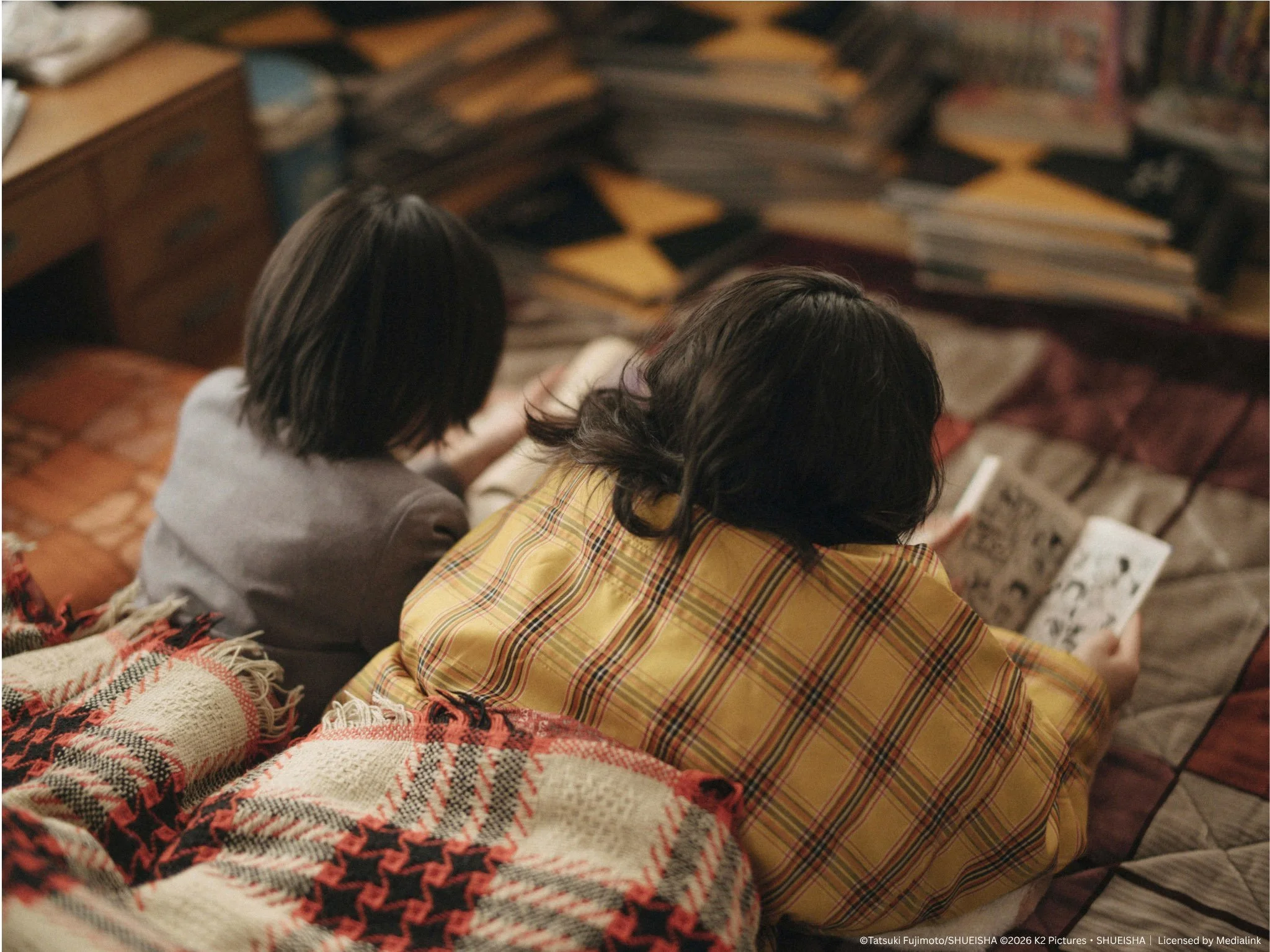
We see them like this a LOT
In his defence Kore-eda keeps the runtime relatively compact, and gives the film a warm, reflective finish – the kind you only get from shooting on 35mm film. Kore-eda’s visual storytelling remains second to none, illustrating the solitary nature of creativity – by choice or by circumstance – and the commitment to it through unflinching, faceless compositions and the passage of time marked by tiny details: a running fan for summer, steam rising off a soup in winter, the shimmer of orange and red through a window for autumn. Much of Look Back is wordless, and if you were ever curious about what drawing a manga sounded like, this is your chance to find out. The scratch of the pencil and the dull thud of a pen dominate the sound design.
The first half-hour to 45 minutes is a beat-for-beat, frame-for-frame carbon copy of Oshiyama’s animated version, itself coming off as a page-by-page, panel-by-panel duplicate of Fujimoto’s manga. If you slept through either of those, Akita elementary school student Fujino (Furi Nanase) is her class’s star, contributing a four-panel manga to the school “newspaper” every week through grade six. She discovers she has a rival in the shut-in, possibly on the spectrum Kyomoto (Rokka Okada, unfortunately really not good), who she’s forced to share page space with. They become friends and co-authors after Fujino realises Kyomoto idolises her (seriously, Fujino’s a cow in true Fujimoto fashion), and head into high school with their eyes on a prize: winning a competition in Weekly Shonen Jump, the, like, Harvard Review of manga. Now more sure of themselves, Fujino (an underwhelming Natsuki Deguchi as the older version) wants to become grist for Jump’s mill, but Kyomoto (Kore-eda regular Aju Makita, equally forgettable), now out of her shell, wants to go to art school. Fight. Estrangement. Tragedy. Looking back.
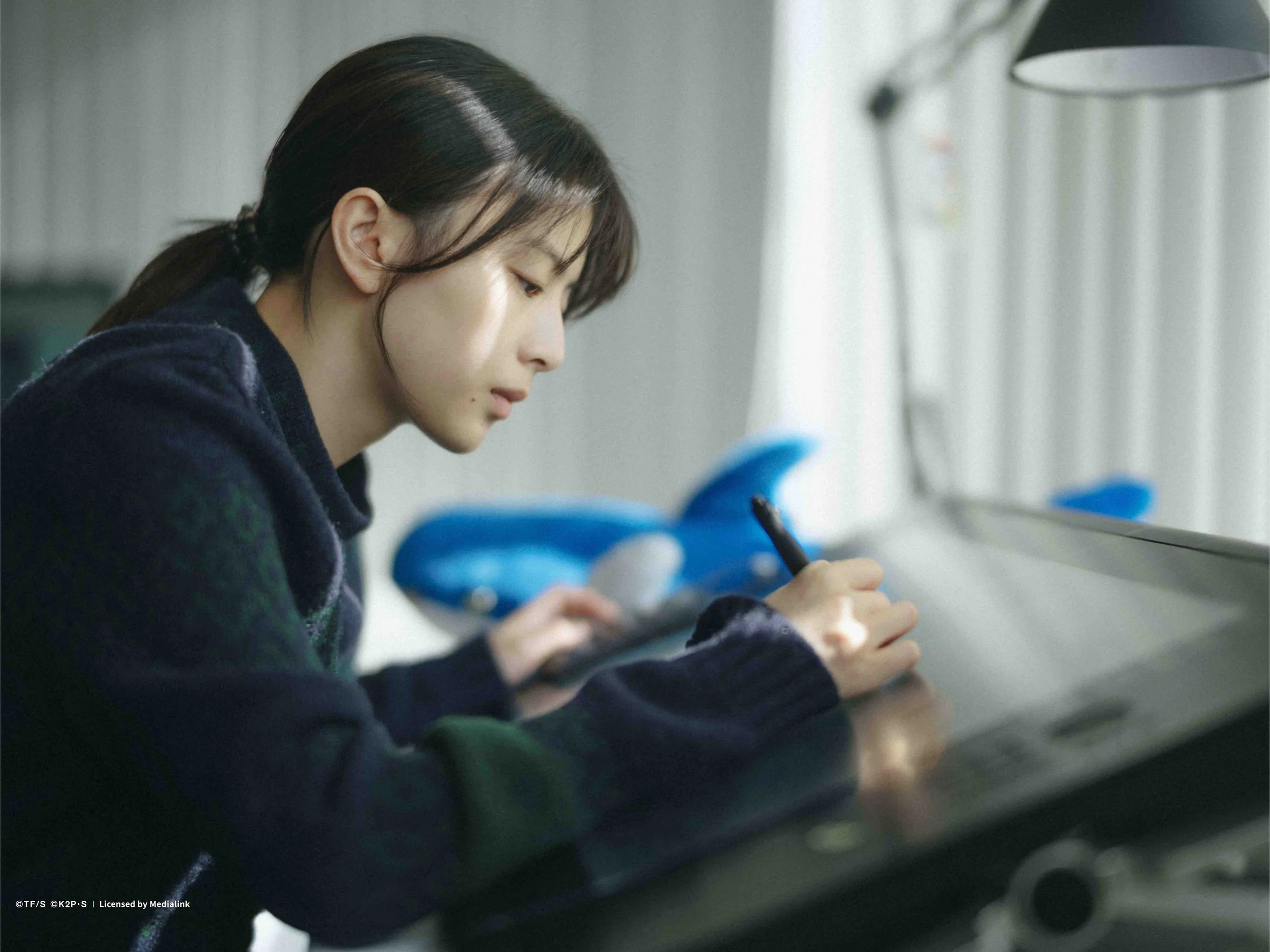
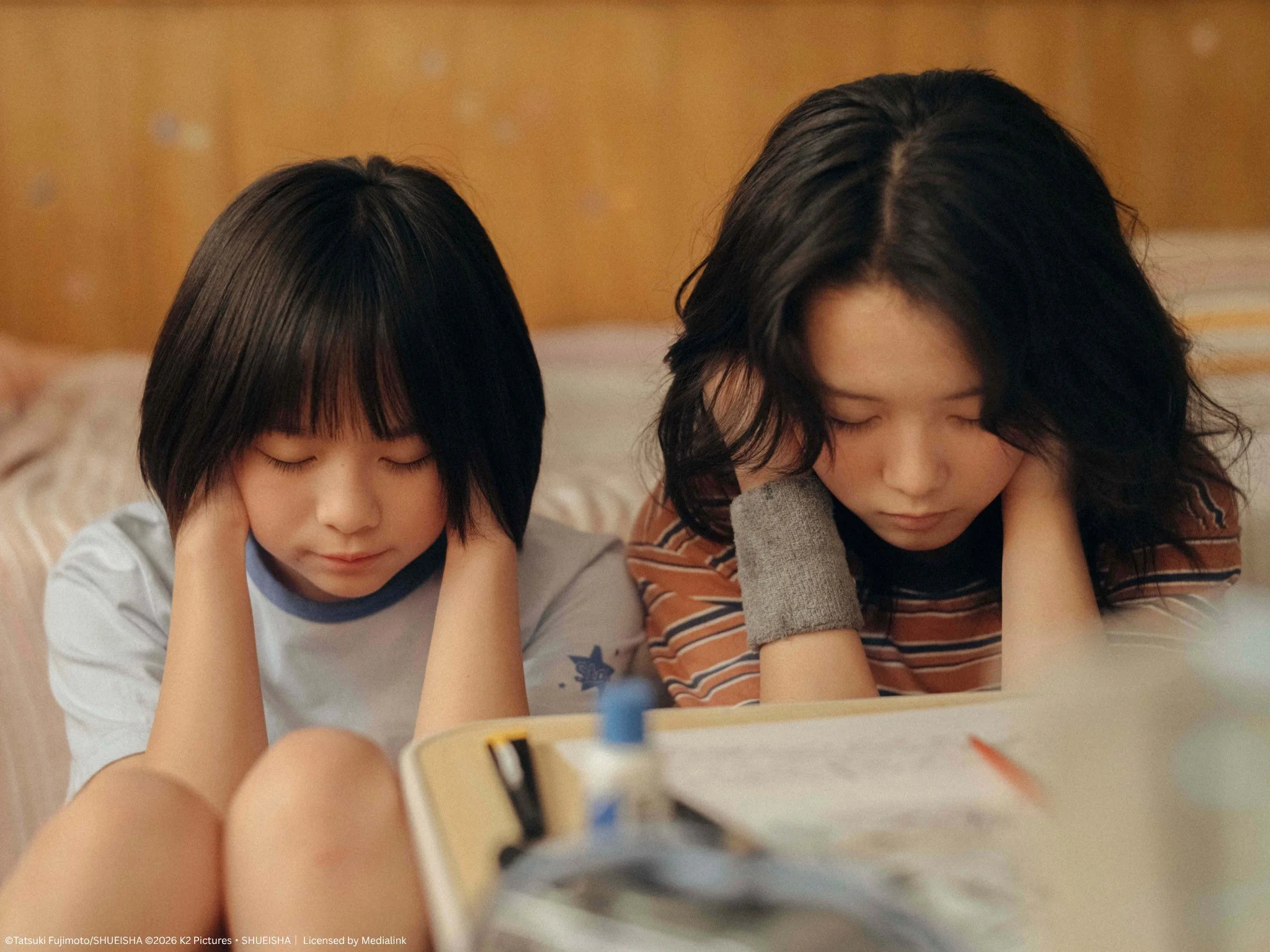
When the most engrossing part of your movie is a look-see at the contraption that’s evidently now used to draw on and capture images to a hard drive from, you’ve got a problem. Look Back is yet another meditation on life going straight to hell after middle school (high school if you’re lucky), and the ceaseless stream of regrets and fuck-ups that lay ahead for all of us. Fine. Tragic, but fine. But without really adding anything to the conversation here, Kore-eda just feels late to the party this time around. Oshiyama already interrogated this wisp of a story about ambition, fear, co-dependence, regret, growth and redemption, the artistic process and creative catharsis; we don’t need to see a duplicate. To his credit, Kore-eda keeps the bloat to a minimum, and doesn’t go overboard on extra backstory we don’t need. That said, we don’t need a recap of Fujino and Kyomoto’s greatest hits, but there is some lovely rotoscope animation as a result of it. It’s not bad; Kore-eda is rarely bad. It’s just a lot of the same whimsical but toothless, wholesome Cat I sentimentality that ultimately says nothing beyond chiding us all to always be sensitive to others’ fragile emotions – especially the youthful ones. It’s a fine, humanistic message but Kore-eda could have done a new version of this in his sleep. Who knows? Maybe he did.