
You just can’t believe everything you read in the proverbial papers. Unless it’s an official paper.
Malice
Directors: Lai Mukuan, Yao Wenyi • Writers: Li Xiangxing, Chen Sicheng, Zhang Zhen
Starring: Zhang Xiaofei, Mei Ting, Chen Yusi, Huang Xuan, Li Gengxi
China • 1hr 40mins
Opens Hong Kong August 21 • IIA
Grade: C+
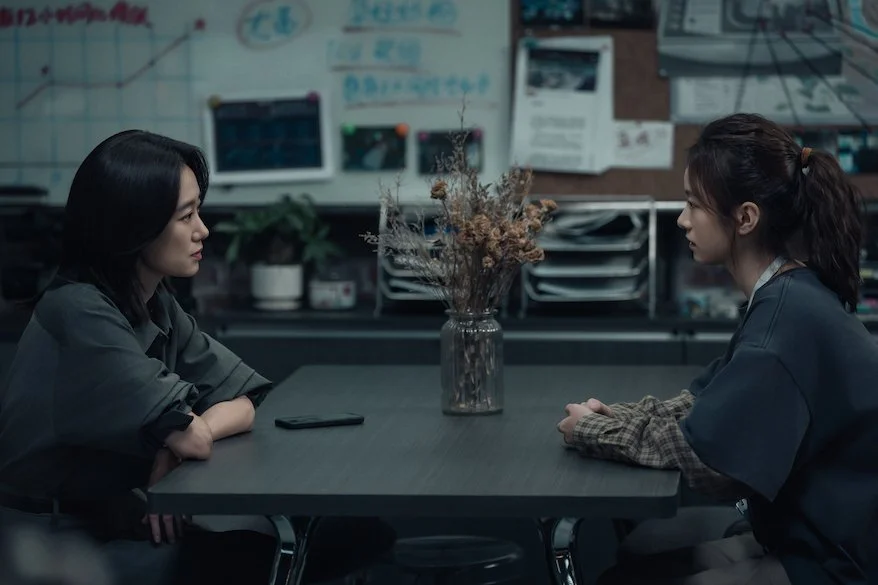
Malice | 惡意, to say the very least, sends some bizarre mixed signals. Constructed like a mystery thriller, the film follows journalist and, evidently, lecturer Ye Pan (Zhang Xiaofei, Last Suspect, Hi, Mom) as she tracks a “news” story involving a shady nurse, Li Yue (Chen Yusi), and a cancer patient at the hospital she works in, Jing (Yang Enyou). Seems Jing took a tumble from the hospital roof, taking Yue with her and causing a media storm in the aftermath of their deaths. Murder? Suicide? Was the nurse having problems with Jing? Or was the trouble with Jing’s pushy mother, You Qian (Mei Ting, She’s Got No Name)? As Ye digs up the details the story gets out of hand (it seems literally everyone in the country is getting live updates on The Fall) and before you can say Cautionary Media Tale old rivals are coming out of the woodwork, unsavoury personal pasts are dredged up for public judgement and Ye’s own ethics and processes are brought into question. Short answer: It turns out the only media you can trust is the one operated by the state. Everyone else causes misery, heartache and unfair condemnation. As journalism movies go, All the President’s Men this is not, and directors Lai Mukuan and Yao Wenyi and their army of writers really don’t make much of an effort to dive into the more interesting aspects of the story such as it is: How does a state structure control the speed of the digital world?
But can you type?
Nothing is quite as it seems in the world of Malice, and you can’t believe what you read in online new outlets, which actively lean into sensation in order to drive traffic. Ye is among these, though she’s got a reputation – good and bad – as a swingin’ dick journalist who digs up the truth no matter the cost. She’s most famous for a story about a blood scam or something, one that resulted in the tragic death of her subject. Years later she’s yet to live that down, and history seems to be repeating with Li and Jing. The first iteration of the saga of the dual deaths goes viral, and only gains more public traction as Ye digs up more dirt, first on Li then on Jing’s mother, the hospital administrator and a bunch of other random players. As a pair of asides there are plots to destroy Ye’s professional standing and a bitter intern, Chen (Li Gengxi), hovering in the newsroom for reasons. The scrolling public, of course, is fickle about who the bad guys are, and rival online/social media personalities and KOLs are quick to point fingers and lay blame for everyone’s misfortune. And there is misfortune.
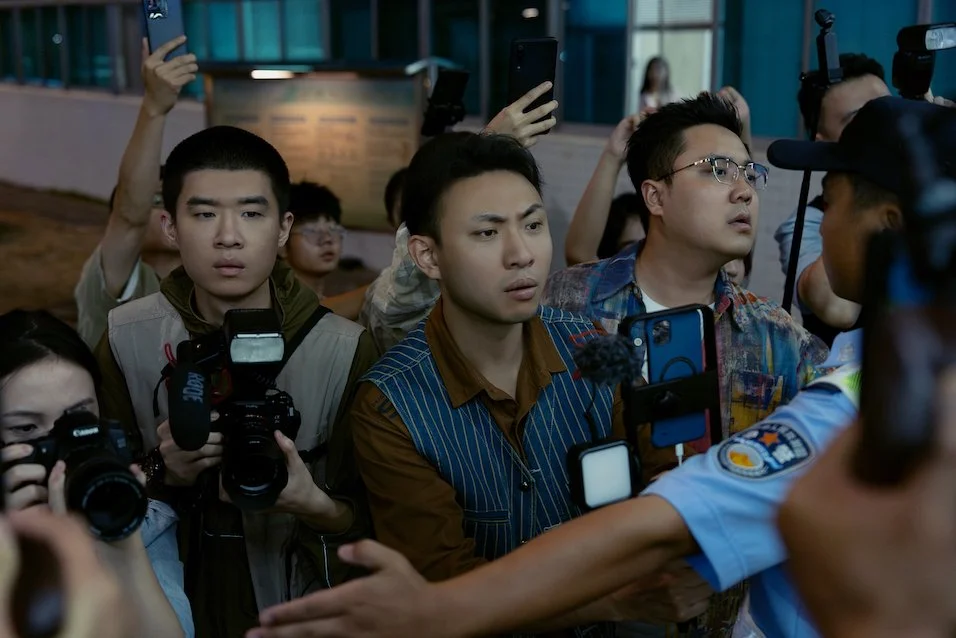

Malice is competently enough made, with Zhang carrying the underwhelming dramatics with her typcially blank interpretation of contempoary working womenhood. And it’s almost quaint in its interrogation of mob justice and the court of public opinion at a time when the speed of digital comms is writing our narratives and creating our truths. Journalism has been devalued and de-prioritised in favour of clicks and being first out of the gate – even if it’s wrong. No one has time for three corroborating sources, and later retractions carry zero weight. We’ve already been down this road. Ultimately Malice suggests information gleaned only from official channels can be trusted; independent, unaligned new media will only cause grief and destruction wherever it’s consumed. How a state apparatus reacts to and corrals a format that allows for Malice’s kind of uncontrolled disemination of facts, ideas and analyses is the question Mailce never asks, perhaps one that Lai and Yao were never equipped to.