
Raising Something
Bi Gan is really leaning into his Great ARtiste It Boy coronation.
REsurrection
Director: Bi Gan • Writer: Bi Gan
Starring: Jackson Yee, Shu Qi, Marc Chao, Li Gengxi, Huang Jue, Chen Yongzhong
China • 2hrs 40mins
Opens Hong Kong November 27 • IIB
Grade: B-
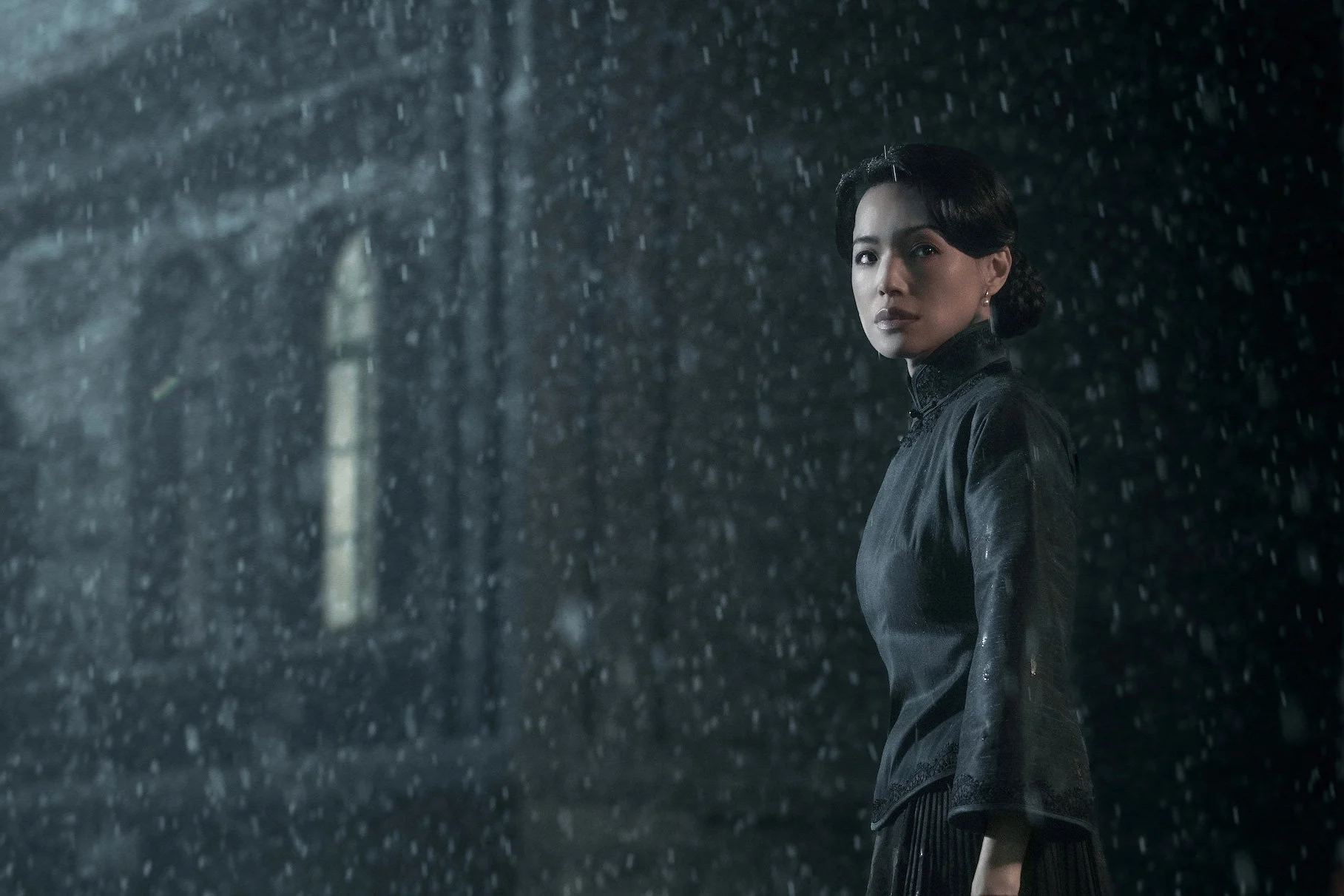
At the very least, Bi Gan’s Resurrection | 狂野時代 is a pretty big swing, even if he’s simply showing off how steeped he is in cinema history. Great, you’ve seen The Cabinet of Dr Caligari. Moving on. But the toast of Cannes (for what that’s worth) this year has been annointed The Great One (outside of hockey) and critics are falling all over themselves to praise Bi’s audacity, and ambition, and his ability to recapture the spirit of pure cinema. And yup, sure, a fair amount of the bloviating is accurate. But Resurrection, Bi’s third feature in a decade (ooooh are the Terrence Malick vibes giving you the shivers?), after his breakout Kaili Blues and Long Day’s Journey into Night, is also an awful lot of pretentious, Cannes-approved nonsense that gives Bi plenty of time to crawl up his own butt. What’s he saying? Who knows, and more than once during the film’s “I dare you” runtime he seems to be defiantly asking us to tell him what he’s saying. But as his star rises, so do his state-approved budgets, and on that front Resurrection delivers: ever penny is on the screen. The bloated ode to cinema as dream weaver is maybe a little of what Damien Chazelle wanted (and failed) to do in Babylon, and in wrangling his ace cast and crew from his earlier films – among them production designers Liu Qiang (Black Coal Thin Ice) and Tu Nan, and DOP Dong Jinsong – Bi’s spun a visually arresting movie. I just resent feeling like a tosser for watching it.
Not The Resurrected…
Five distinct periods of Chinese history, each with its own cinematic metaphor are the kinda sorta anchor for the vaguely science fiction drama (sci-fi the way Alphaville is sci-fi – ooooh more classic movie references!) about a Delirient (?) who drifts in and out of … something. We’re told that this is a future in which we’ve collectively forfeited the right to dream in favour of eternal life. But this Delirient (Jackson Yee Yangqianxi, Better Days, Full River Red), a monster, is hanging in there. He likes dreaming. Into this whatever comes Miss Shu, or The Big Other (Shu Qi), who makes a connection with him in a dream that plays out like a silent movie – complete with intertitles and offscreen guiding hand – and takes him under wing. How? She changes a film reel in his head. From there the Delirient “stars” in a 1940s-style noir thriller set during the Japanese Occupation of China as Qiu; as Damned Dog in an encounter with the Spirit of Bitterness (Chen Yongzhong) in a demolished Buddhist temple during the Cultural Revolution; as petty grifter Man, who along with Girl (Guo Mucheng) gets into a long con of sorts in the rapidly developing 1990s; and finally as Apollo, a small time gangster on the turnover of Y2K, running amok with his girlfriend Tai Zhaomei (Li Gengxi) in a gangster-horror mash-up. This is the segment that will get everyone talking; it’s a oner.
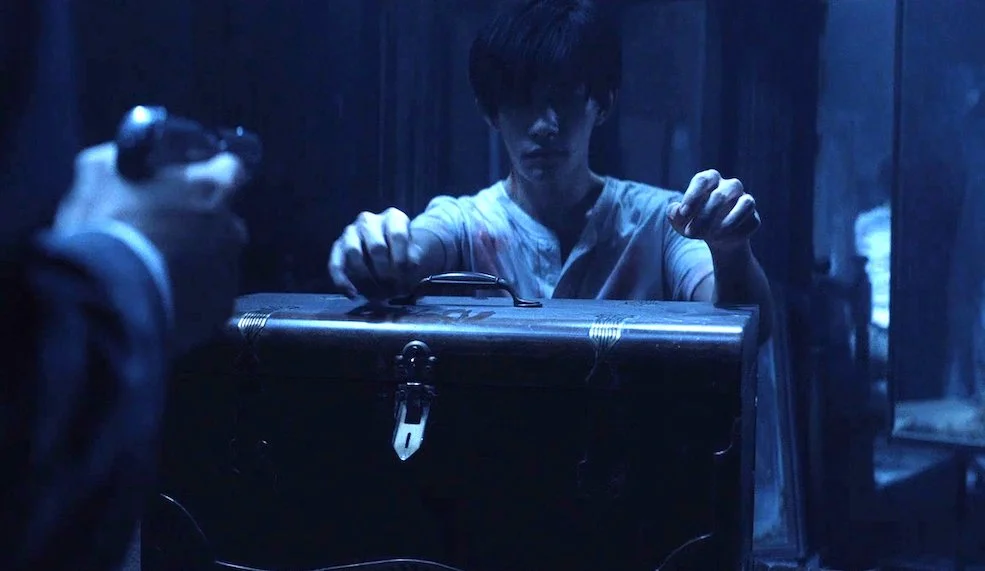
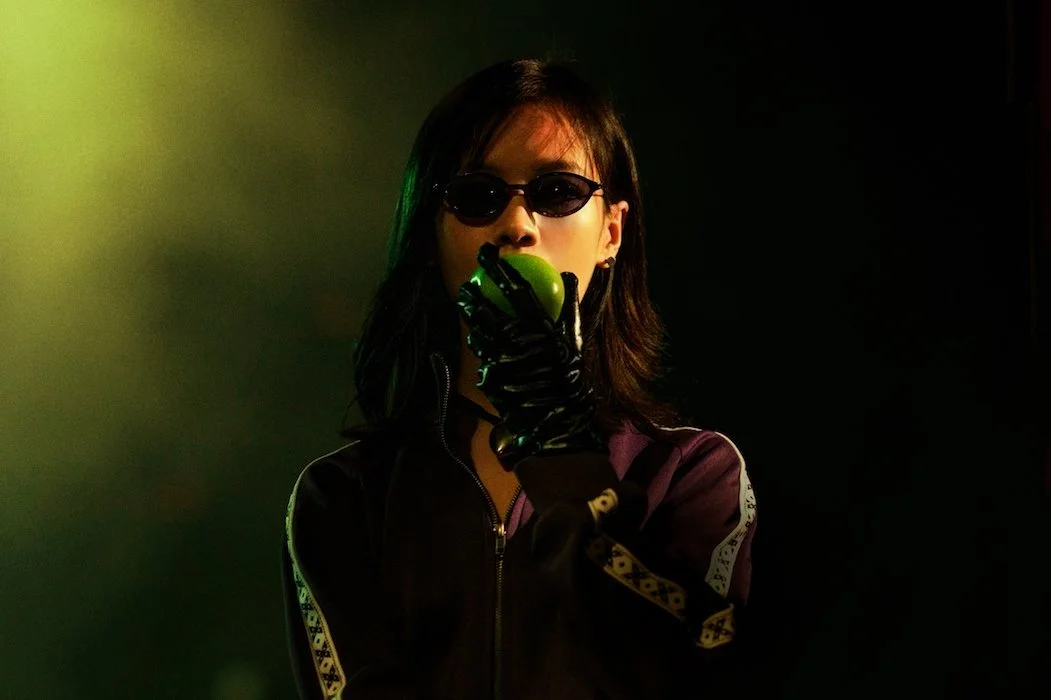
As lushly produced as Resurrection is, and there’s no denying Bi is really going for it, there’s a great deal that’s derivative too. Aside from the Caligari shout-out, Bi name checks FW Murnau, Terry Gilliam and Orson Welles, so it’s not like there are any deep cuts to show off. And for all the self-indulgence it’s very possible Bi is just nerding out in a genuine way, and isn’t intentionally lording it over everyone with this film school hat on. But for too much of Resurrection that’s all it is: references and shout-outs. There’s hardly any spring in the tissue connecting the Delirient’s dreams, there’s not much in the way of explaining the Big Other’s fascination with him, and the screenplay lurches from one temporal landmark to the next, never stopping to give us a character to relate to, to hate or to root for or – most criminally – any reason to respect or marvel at the magic of the movies. Ironcially, Resurrection is one of the most purely “movie-ish” films to hit screens in a long time and Bi clearly believes there is magic in them. There’s no real storytelling here; it’s a film that revels in its formalism and craft (some of the sets are mind-blowing) and in the end comes off like the work of a hyperactive toddler that’s been let loose in a toy store. He seems to have come down with Neill Blomkamp Syndrome: Get a bunch of money, lose the creative touch. Maybe we should take Bi’s toys away.