
Calling All Grown-Ups
You can believe the hype around Joachim Trier’s… checks IMDb… 267-awards nominated character study.
sentimental Value
Director: Joachim Trier • Writers: Eskil Vogt, Joachim Trier
Starring: Renate Reinsve, Stellan Skarsgård, Inga Ibsdotter Lilleaas, Elle Fanning
Norway / France / Sweden / Denmark • 2hrs 13mins
Opens Hong Kong February 5 • IIA
Grade: A
What the hell is this? A second movie inside of 10 days (after Song Sung Blue no less) in which adults act like fucking adults in a movie for adults? I’m clutching my pearls, I’m so scandalised. Well, that’s exactly what happens in Danish-born Norwegian director Joachim Trier’s latest meditation on identity, generational trauma and the absences that shape us, Sentimental Value (Affeksjonsverdi). The story is a simple one: A world renowned filmmaker, Gustav Borg (the OG Skarsgård, Stellan) returns to his Oslo home when his ex-wife dies. He left decades before, looking for – and evidently achieving – cinematic glory, leaving not just his wife but his daughters behind. At the funeral, he touches base with his youngest, Agnes (Inga Ibsdotter Lilleaas) and, less comfortably, with his first born, Nora (Renate Reinsve, A Different Man). Things don’t go quite as swimmingly as Gustav had clearly, obliviously, hoped they would and he finds himself in a low level war of resentment, atonement and passive-aggressive self-victimisation particularly with Nora as he tries to put together what will probably be his last, great film and last chance to connect with his girls.
Despite a “plot” that pivots on childish behaviour, Sentimental Value is only reductively described like that because 1) it’s what we all do, and 2) Trier and regular co-writer Eskil Vogt’s layered and nuanced script is a marvel of discovery and recognisable adult emotions that can’t be summed up in a snappy elevator pitch. Think of it this way: Sentimental Value takes those resentments and that passive aggressive needling and lets Gustav, Nora and Agnes have those moments, but also to have the maturity to recognise their fleeting pettiness for what it is. These are grown-ups, and Trier and Vogt aren’t going to treat them any less so. And despite being such an internal piece of character study storytelling, the plot is deceptively compelling.
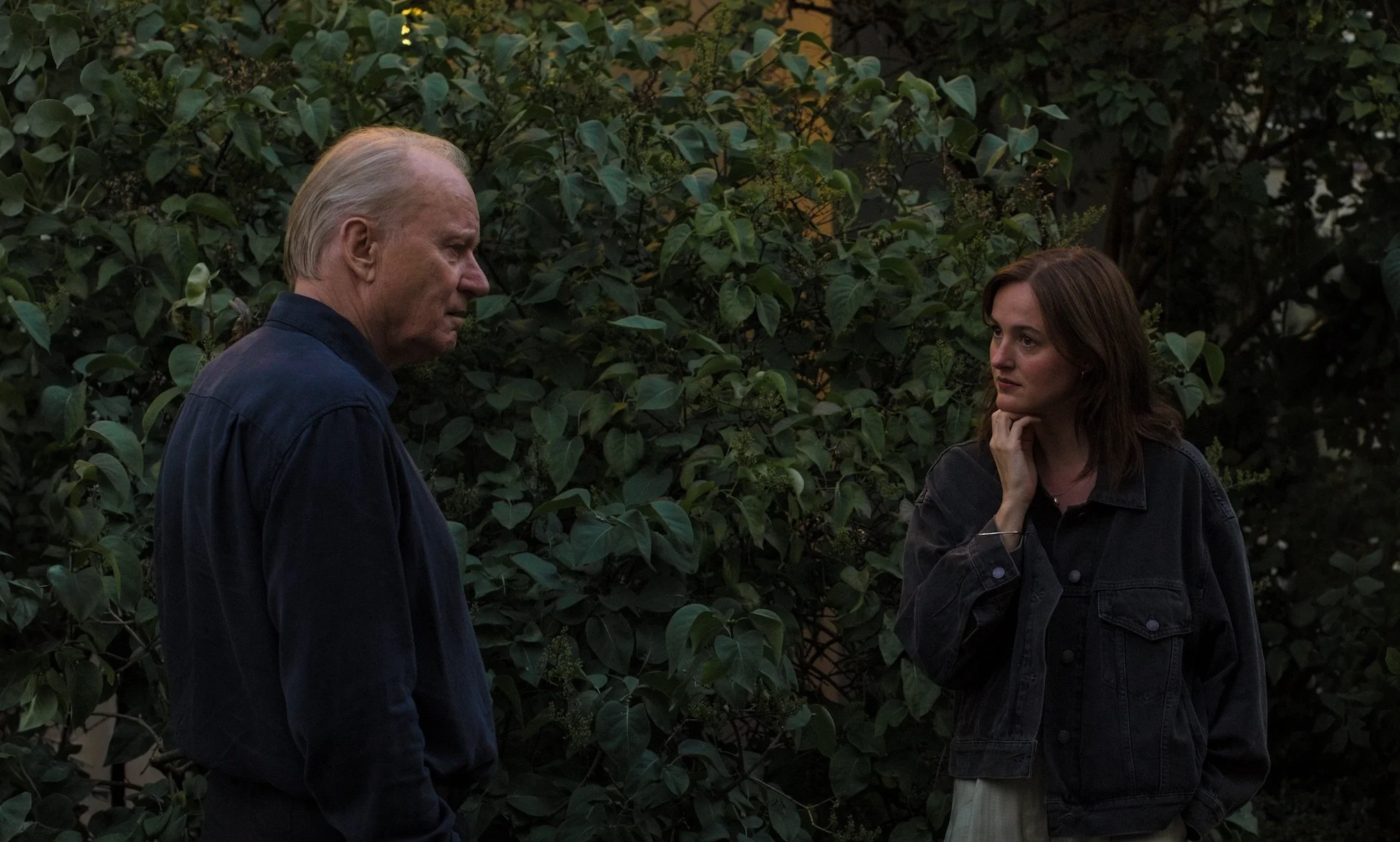
Daddy issues aren’t always trash
Trier made a name for himself with his Oslo Trilogy – Reprise (2006), about a couple of budding writers in their early-20s; Oslo, August 31st (2011), two days in the life of a drug addict in rehab; and The Worst Person in the World (2021, starring Reinsve), a rom-com about an untethered woman trying to figure out her life – and quickly became one of every film nerd’s go-to filmmaker for thoughtful introspection and unapologetic humanism. More than anything he’s a master of not writing characters that are fucking dumb, and you feel it when you watch his films.
Sentimental Value starts with the uncredited fifth member of the Borg clan in voice-over: the family home. Trier brings new meaning to the phrase “if these walls could talk” as we get the Borgs’ story teased out in bits that come together in a seamless whole in stages. Agnes and Nora expect Gustav to sell the house ASAP and book it out of town again, but nope. He’s going to use it as the shooting location for his opus about his mother, whose suicide he discovered as a kid. Though he wrote the part for Nora, now a theatre actor with major anxiety issues, she turns him down, which brings American superstar Rachel Kemp (Elle Fanning, Predator: Badlands) into his orbit – Kemp and her Netflix money. Needless to say, Gustav rankles at Netflix’s demands for Reels content, for him to consider crew other than his long-term cinematographer Peter (Lars Väringer), and of course to film in English. Netflix is indeed the butt of a few good filmmaking jokes.
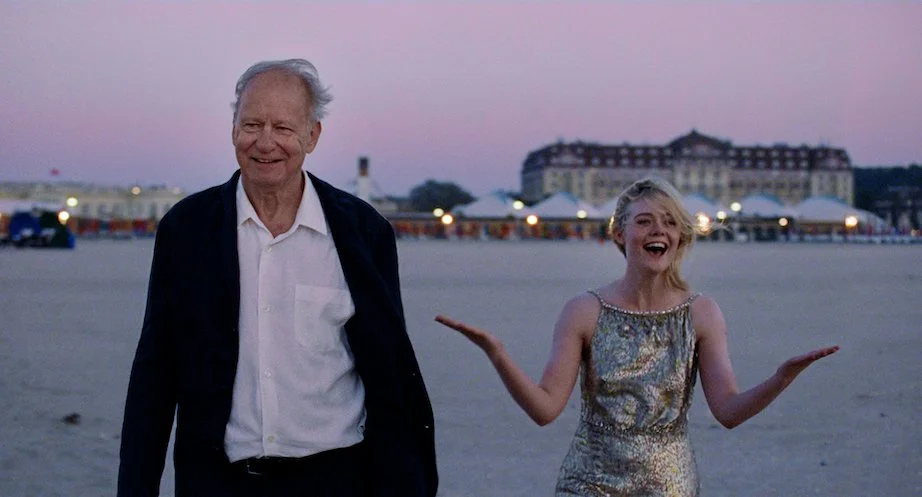
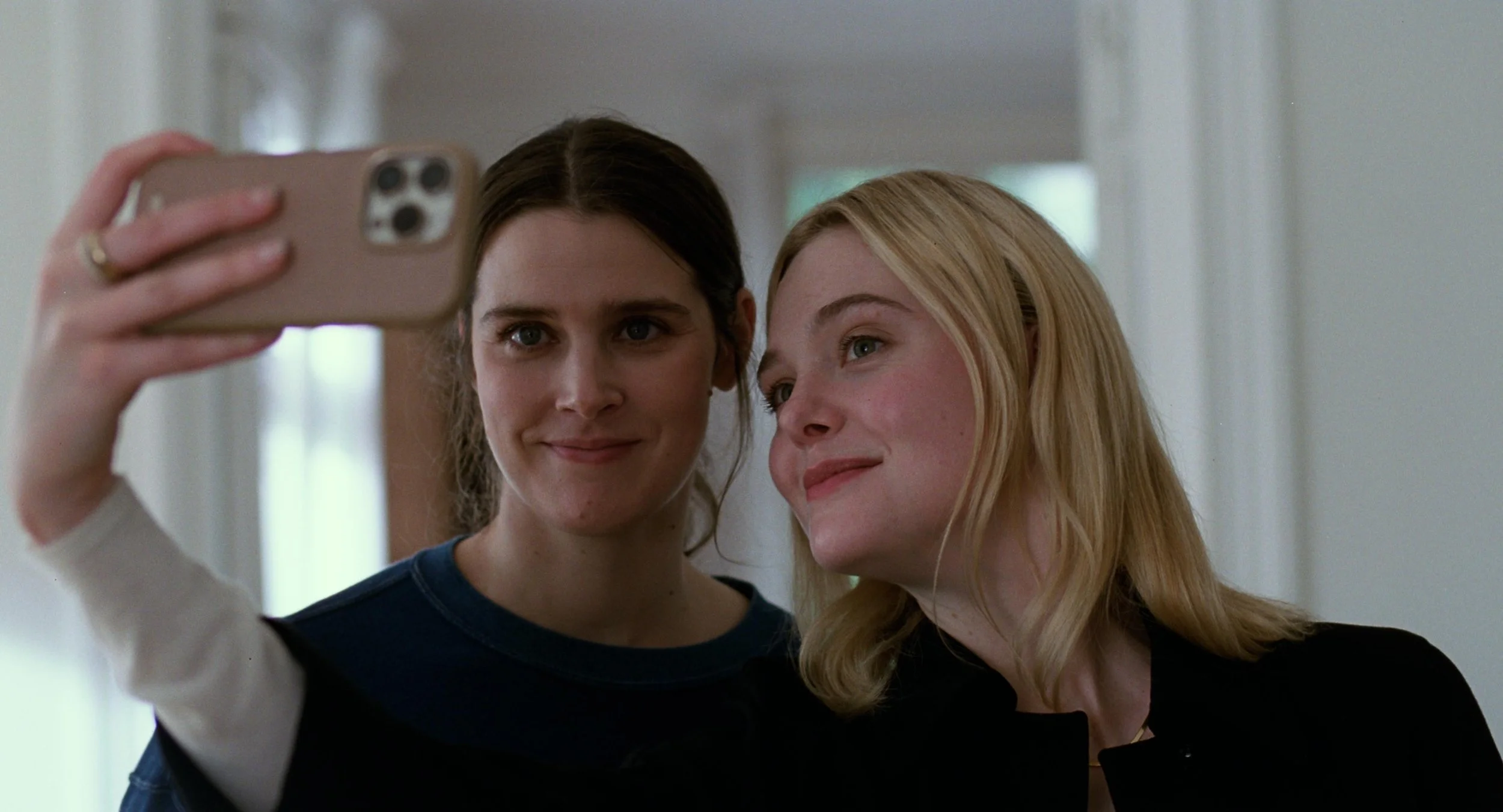
Since its premiere at Cannes the film’s racked up (among scads of others) eight Oscar nods, eight BAFTA nominations, seven boozy, buyable Golden Globe noms (with one win) and nine from the European Film Academy, where it swept the Big Five: picture, director, screenplay, actor and actress – every single one of them earned, crucial in a film that lives or dies by its emotional authenticity and veracity in its family dynamics.
There isn’t a wasted scene in Sentimental Value; every moment tells us something about these characters, as well as the about the capacity for art to reconcile us with our pasts and with each other. As we learn more the film constantly reframes the players and recontextualises what came before. Reinsve is our entry point, and she makes the lingering effects of parental neglect as vivid as if Gustav had taken a belt to her, and watching her fight a desire for recognition from him is gutting. Skarsgård walks a fine line between callousness and carelessness, but his inability to just use his words – outside of a script – is a clinic in understatement. It may be Lilleaas who does the heaviest lifting, though, as the daughter that’s come out of the Borgs’ shared past unscathed. Agnes is the boring one; a historian with a stable home and family, and Lilleaas provides the connective tissue with immaculate grace. It’s a performance you don’t even see. And credit to Trier and Vogt again for Fanning’s Rachel. How often have we seen the brash, Yankee ingenue written as a talentless sex kitten who’s just trying to buy credibility? Too often, and by going in the opposite direction Fanning gets to make Rachel the unwitting Borg family healer. It’s a lovely, mature turn in a film filled with them.