
Almost Campy Enough
WElp. Seyfried and Sweeney certainly add some meta flavour to the ’90s throwback psycho-wife thriller.
The Housemaid
Director: Paul Feig • Writer: Rebecca Sonnenshine, based on the book by Freida McFadden
Starring: Sydney Sweeney, Amanda Seyfried, Brandon Sklenar
USA • 2hrs 11mins
Opens Hong Kong December 19 • IIB
Grade: B
There’s a scene early in The Housemaid in which well-heeled tradwife Nina Winchester (white supremacy condemner Amanda Seyfried) gives her incoming ex-con housekeeper Millie Calloway (Sydney Sweeney, she of the good genes jeans) a tour of her immaculate, sprawling upscale suburban house. They go up the winding stairs and Nina makes a joke about how someone is going to kill themselves on them on day, and director Paul Feig (Bridesmaids, A Simple Favour) lovingly shoots the high polish wooden steps from above, to emphasise how hazardous they are. Gee. Do you think this could be Chekhov’s Staircase?
The Housemaid must not be confused with Kim Ki-young’s 1960 film The Housemaid, or Im Sang-soo’s remake The Housemaid from 2010, or Derek Nguyen’s unrelated Vietnamese gothic horror The Housemaid from 2016, or for that matter Park Chan-wook’s The Handmaiden, or any of the deliciously kooky Bitchez Be Crazy erotic thrillers of the 1990s – as in the cheaper, less starry knock-offs of the 1980s. Think Poison Ivy, The Crush or Dream Lover. There’s a lurid and ludicrous quality to the best of these that’s undeniably entertaining, regardless of the frequently bananas romantic pairings and problematic gender politics. But they’re just. So. Entertaining. The Housemaid would almost reach those fantastically ludicrous heights, were it 20, maybe 30 minutes shorter, and less inclined to play it safe and really embrace its campy side. That said, it has it moments, a great against-type turn from discount Glen Powell Brandon Sklenar (Drop) and an even better turn by Seyfried, who gaslights with the best.
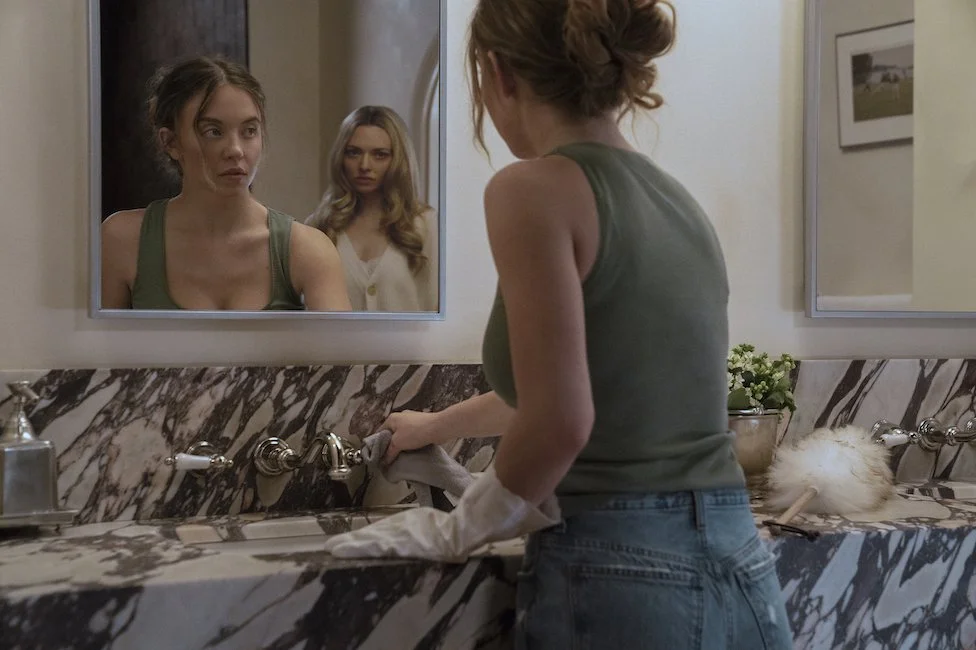
They look alike for a reason
No only does The Housemaid throw back to those gloriously salacious, boobs-forward ’90s flicks, but it also has strong Gone Girl (more Gillian Flynn’s book than the film) energy. The action starts with Millie absolutely sure she blew the housemaid job interview, which would have solved two huge problems in one go for a parolee sleeping in her car and still unemployed. But lo and behold, the overly enthusiastic Nina offers her the gig that involves light housework around the Long Island mansion, some cooking, and looking after Nina’s surly, shitty ballerina daughter Cecelia, or Ceci (Indiana Elle). She starts right away, and is shown to her attic room – which only locks from the outside and has one window that doesn’t open. Millie is rightfully squicked, but she’s also over a barrel.
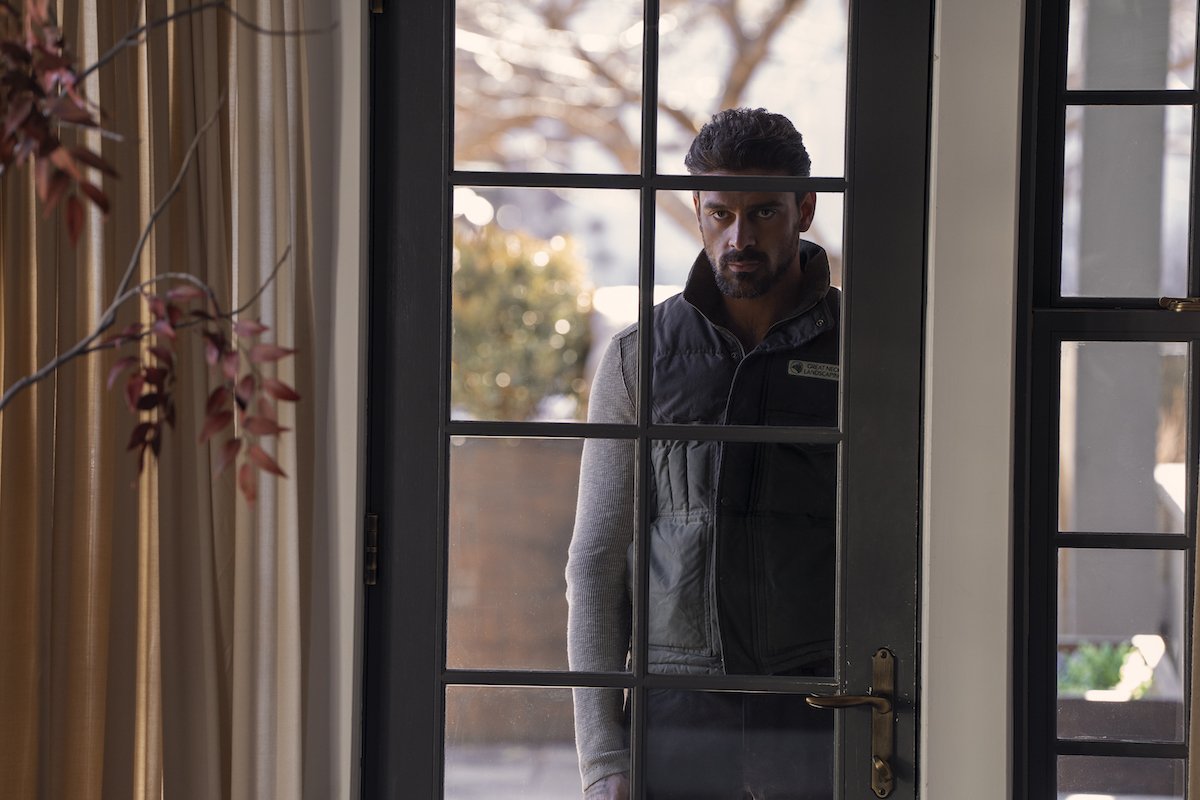
When she finally meets the man of the house, Andrew (Sklenar), she realises quickly she’s screwed. He’s totally hot, built, super-sensitive and a good father to a kid who isn’t even his. He’s really hoping to have children with Nina – a baseball team – he tells Millie. All the other tradwives think he’s a saint for putting up with Nina. Turns out Nina’s on several anti-psychotic drugs and immediately starts fucking with Millie’s life, and possibly her parole, and having daily mental breakdowns. The only other man poor horned up Millie sees regularly is the groundskeeper Enzo (Michele Morrone, who had a moment a few years back as the mafioso who keeps a woman prisoner until she falls in love with him in the 365 Days series), who does a smashing job of lurking in doorways, staring and muttering “No English.” It’s hilarious.
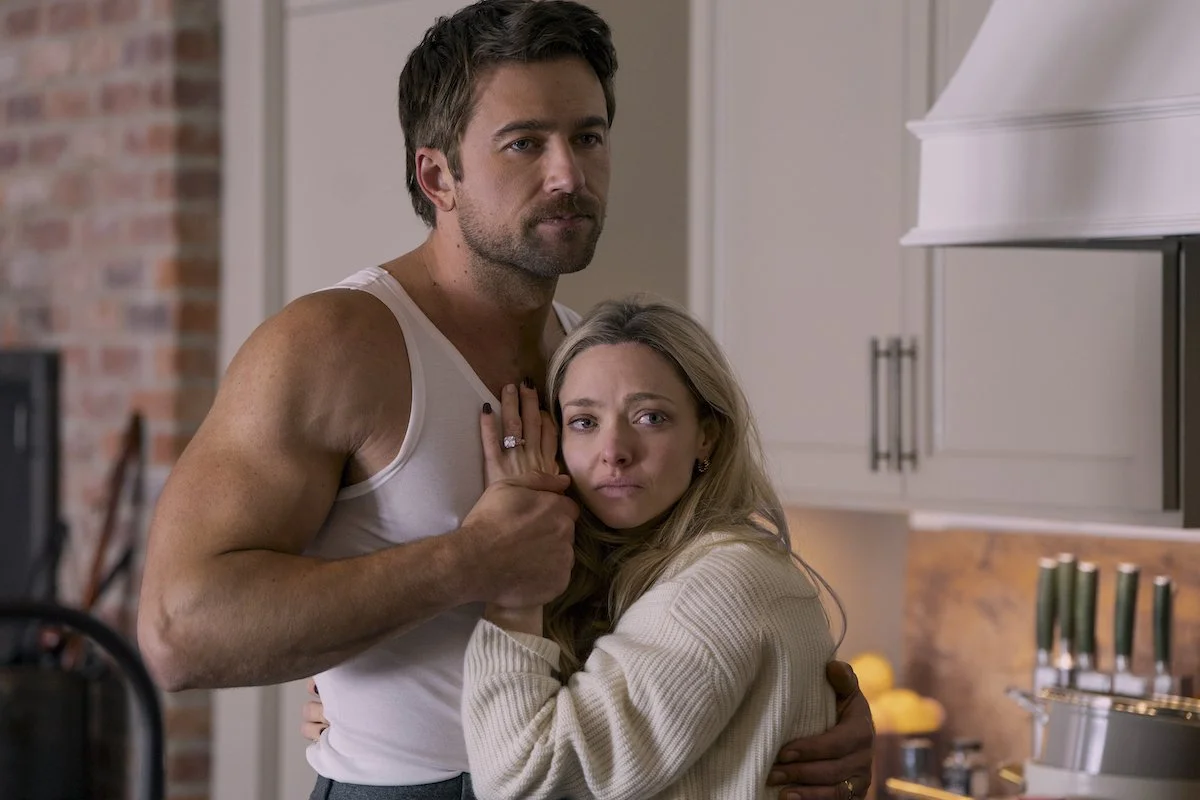
The Gone Girl vibes kick in when we finally start to see the bigger picture, and learn what’s really going on in the Winchester marriage just as it starts collapsing. A major point of movies like this is for Andrew to succumb to his loneliness and frustration and have an affair with the nanny, which he does, and which ends with him telling the crazed Nina to GTFO of his house. The first half of the film is dominated by Nina’s story and her POV, and to her credit Seyfried really picks up the ball and runs with it; it’s her film even when it’s not, and she seems to be having a grand time. The switch in perspective gives Sweeney more to do than wear midriff-bearing bustiers totally inappropriate for scrubbing the floors in the back half, and the narrative twists and turns seem to energise her performance that to this point mostly involved being carried around by Andrew like a reverse knapsack, the film’s shorthand for “torrid” (these affairs are always torrid). The less said about said narrative the better, because another point of these films is to keep you guessing, and make it clear the characters’ lives are all surfaces; nothing is what it seems. But Feig and writer Rebecca Sonnenshine, adapting the first of Freida McFadden junk food bestsellers, also manage a few barbed comments on neopatriarchy, the continued validity of the #MeToo movement (no matter how hard we collectively try and strip its credibility) and class and privilege, embodied by Andrew’s mother Evelyn, a fabulously silver-haired Elizabeth Perkins who needs her own movie. Who knows? Maybe she’ll show up in The Housemaid's Secret or The Housemaid Is Watching. Seriously. Those are real books just waiting for their moment as IP fodder.
Kinky Pleasures
Time to wallow in the deliciously gonzo, sordid Crazy Chick sub-genre.
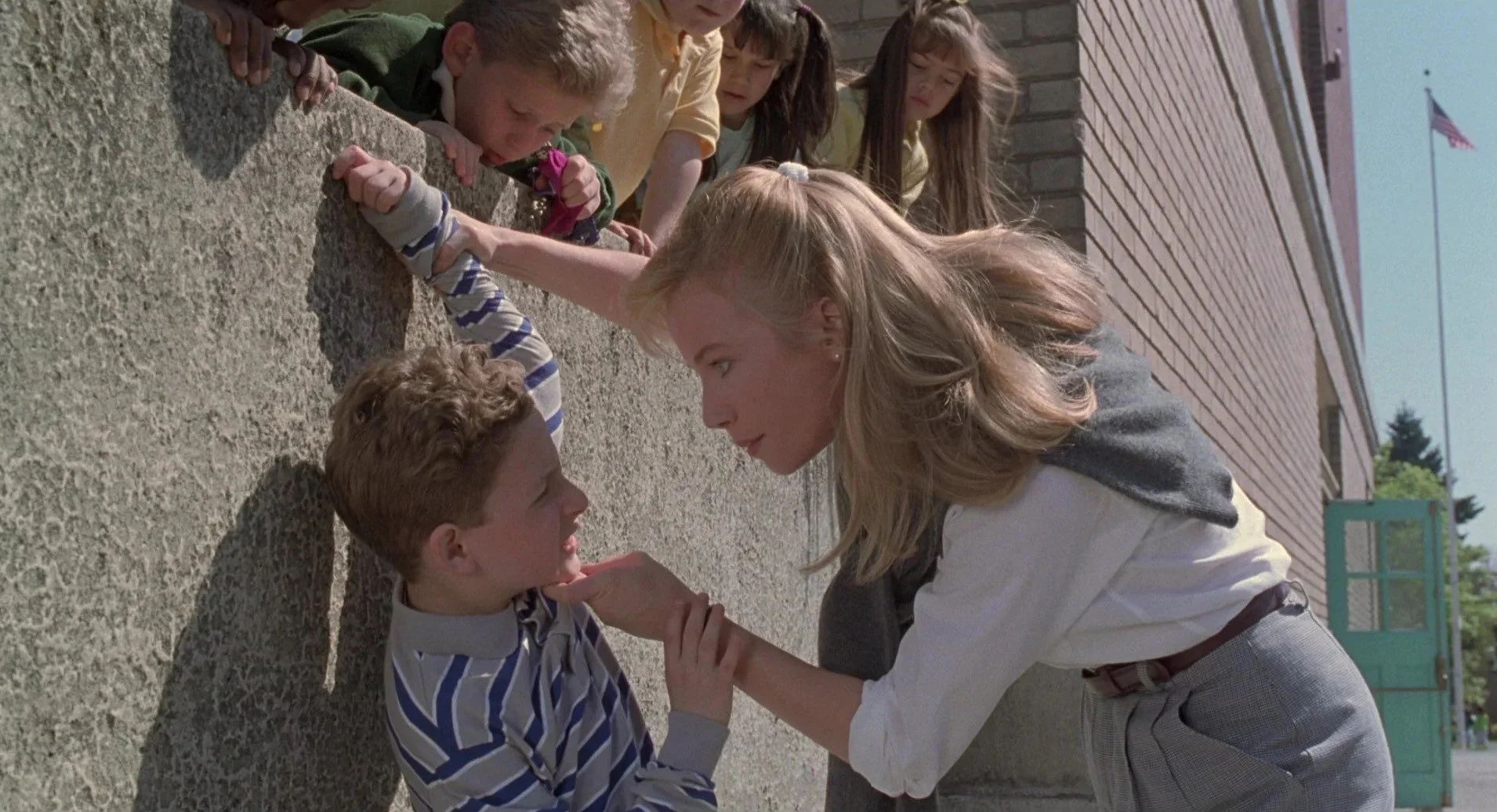
The Hand that Rocks the Cradle, d: Curtis Hanson (1992)
Rebecca De Mornay crushes it as the mad nanny out for revenge against the family that killed her husband and caused her miscarriage. A classic.
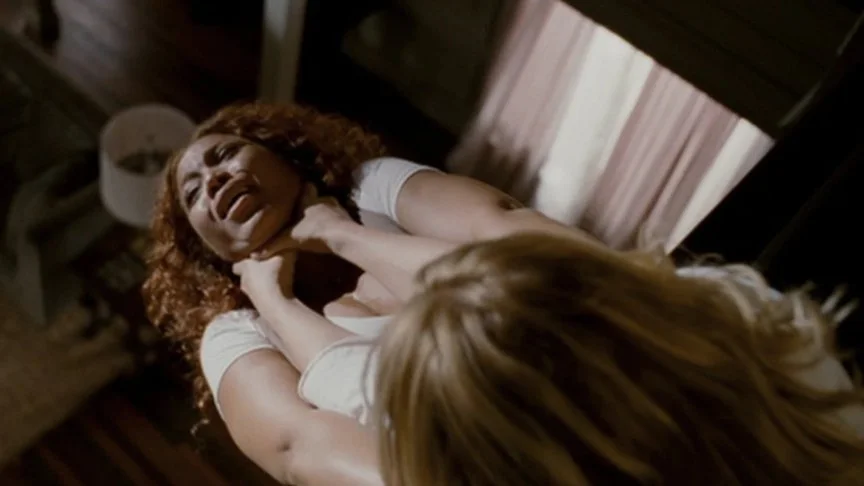
Obsessed, d: Steve Shill (2009)
Affluent couple Idris Elba and Beyoncé’s life is turned upside down by a psycho office temp. Worse still she’s white. Awful. Awesome.
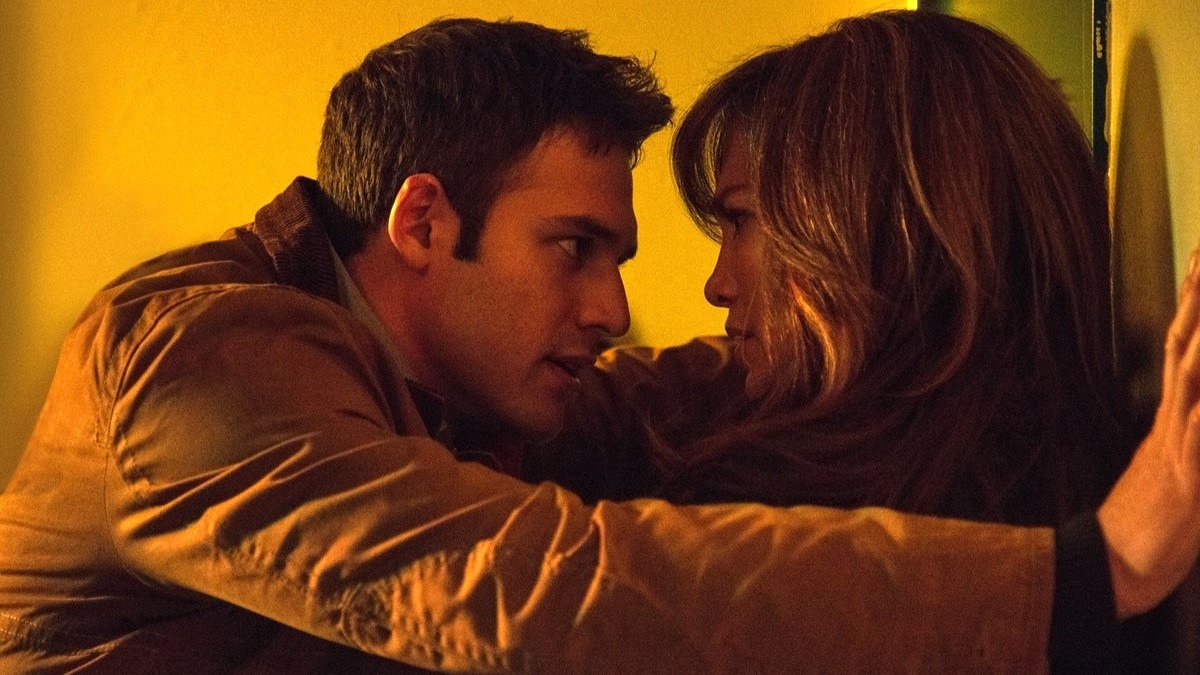
The Boy Next Door, d: Rob Cohen (2015)
In this gender-swapped version the crazy bitch is Ryan Guzman, the “19”-year-old hottie next door who makes J.Lo’s life hell after a torrid (!) fling.