
Still at the Wheel
chugging along at 94, Yoji Yamada takes a tour through tokyo and memory in his latest squishy dramedy.
Tokyo Taxi
Director: Yoji Yamada • Writers: Yuzo Asahara, Yoji Yamada, based on Driving Madeleine, by Christian Carion, Cyril Gély
Starring: Chieko Baisho, Takuya Kimura, Takaya Sakoda, Yuka
Japan • 1hr 44mins
Opens Hong Kong February 5 • IIA
Grade: B
All you really need to know about Tokyo Taxi | TOKYOタクシー is that it’s by Yoji Yamada and stars his long-time muse (?) and Tora-san regular Chieko Baisho (who was also in The Hidden Blade and Plan 75). In a nutshell the film follows 85-year-old Sumire Takano (Baisho, Wife of a Spy’s Yu Aoi as her younger self) on a travelogue tour through Tokyo as she makes plans to move into a care home. She’s got a bum ticker and the stent that’s in there isn’t going to last much longer, so she piles her few possessions into a taxi and gets financially strapped cabbie Koji Usami (Takuya Kimura) to drive her from her home in Shibamata to a nursing home in Kanagawa, Hayama to be exact. Along the way, Sumire regales Koji with tales of her exciting and tragic life, and the two form a lasting, if brief, bond.
I think you know how this is going to play out. Yamada, now 94 years old (!) and oh my god is this guy ever going to stop (no), is still actively working to secure his place in the cinema pantheon for his distinctly old fashioned and aggressively sentimental filmmaking. His stock in trade (unlike the world’s other great nonagenarian director, Clint Eastwood) is gooeyness, like Tora-san, the What a Wonderful Family! series, the surprisingly delightful of Mom, Is That You?! , seemingly leaving the experimention of the aforementioned Hidden Blade and its companion piece, The Twilight Samurai behind. No, Yamada wears his sugary wholesomeness like a badge of honour and at this stage of the game, he’s one of the best at what he does and he DGAF. We all know what to expect from late-stage Yamada, and we have only ourselves to blame if we indulge and then say, “Too sappy.” Da fuq you expect?
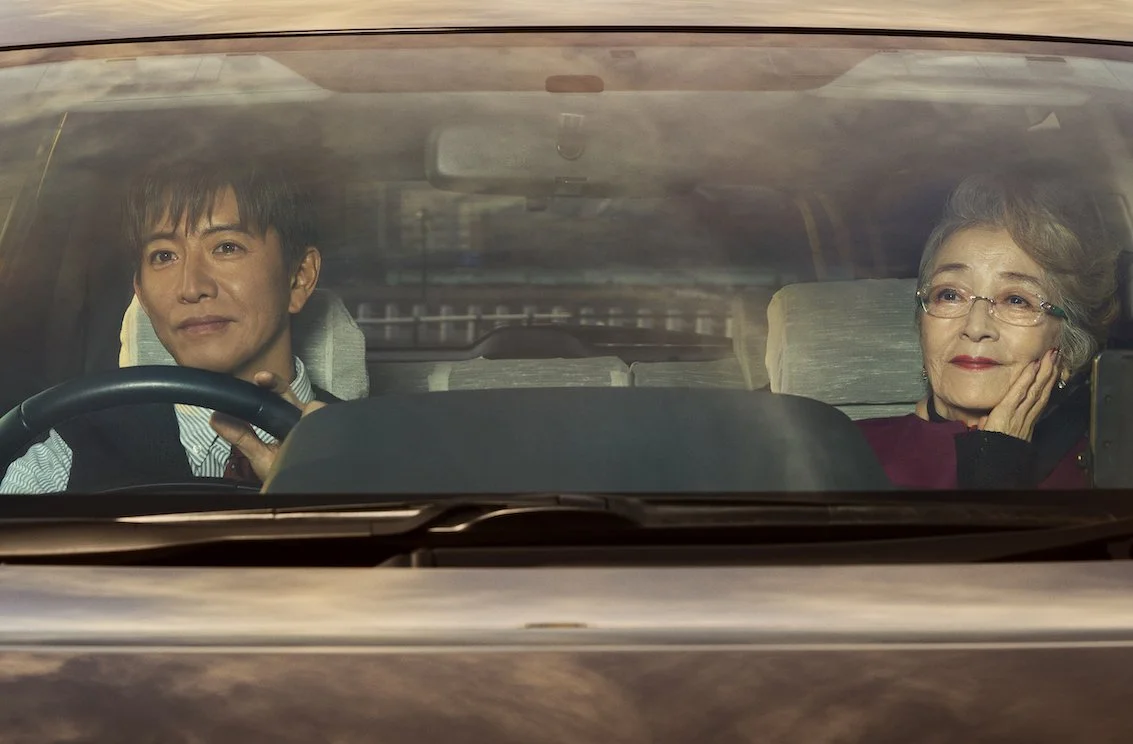
Tokyo Taxi is a remake of Christian Cario’s 2022 French dramedy Driving Madeleine, which is indeed a riff on Driving Miss Daisy, in the title and a little in the retrospective. This version starts with Koji, coming home off an overnight shift and having an argument with his wife Kaoru (Yuka), as usual about money, how much or how little he’s making as a cabbie, same for her at the grocery store, and how on earth are they going to finance their talented daughter Nana’s (Runa Nakashima) music education in Europe. There are some harsh words before Koji has to leave and cover the day shift when another driver calls in sick. Suffice it to say he’s in no mood to be chatty when he picks up Sumire, who does that old lady thing and chides him for not being very friendly and customer service-y.
The hour-long (maybe two in bad traffic?) drive to Hayama morphs into a day-long road trip, marked by multiple stops at points in Tokyo with great meaning to Sumire that she wants to see one last time: the bridge where her father died during the bombing of Tokyo in 1945, the neighbourhood she lived in with her abusive husband Takeshi (Takaya Sakoda), and the one where the dance hall she met the love of her life, Zainichi Young-gi (Lee Jun-young), used to be. Slowly but surely Koji reveals bits about himself, which Sumire has all sorts of thoughts on.
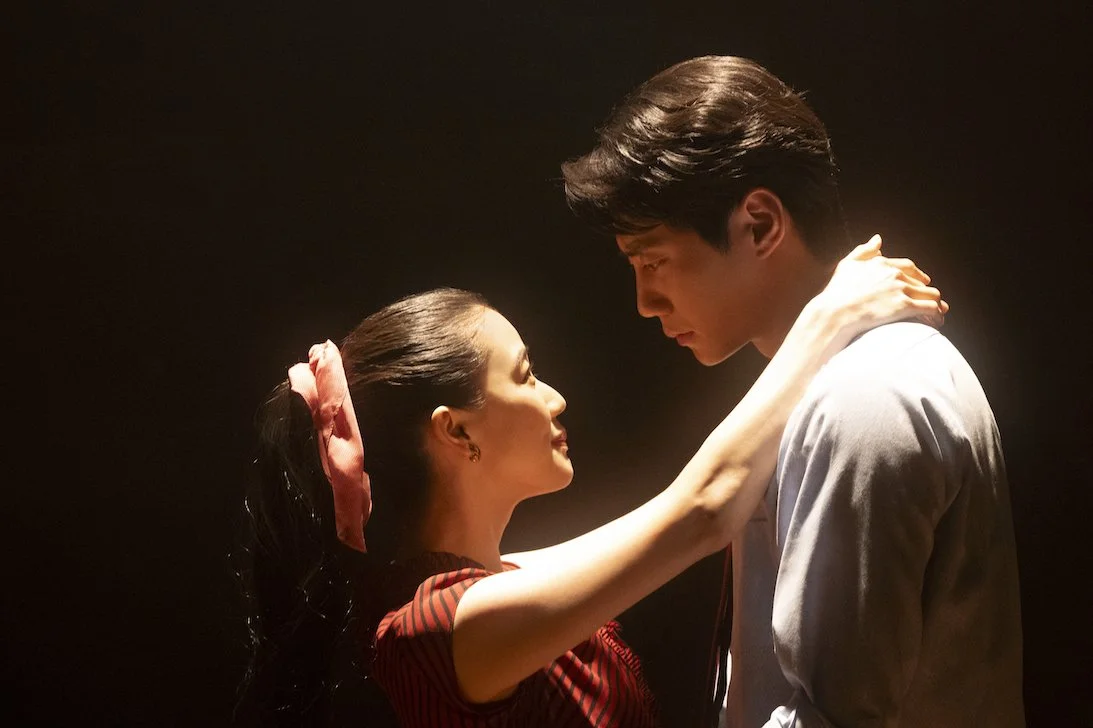
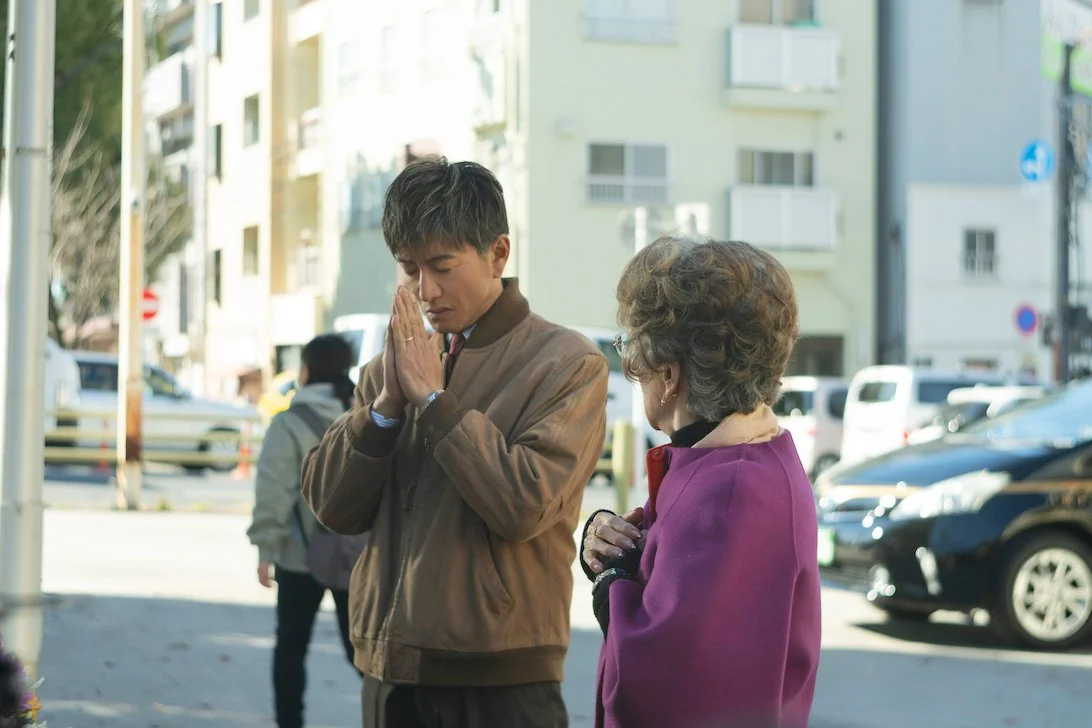
There’s not much mystery as to how Tokyo Taxi is going to end, and not much doubt as to whether Sumire is going to win Koji over with her charm and wisdom and warmth – all despite having lived a life filled with hardships, challenges and loss. And that’s really what Yamada’s interested in, the persistent bittersweetness of life and our capacity to suck it up and carry on, in that singular Japanese way that somehow transcends borders. All of Yamada’s characters are Tora-san (the series is actually called Otoko wa Tsurai yo or It’s Tough Being a Man and I’m going to just let that go because it started in 1968), the nomadic salesman who yearns for connection and keeps trying to find it despite failing at almost every turn. That could be maudlin, and yes it sometimes is, but Yamada’s got such a light touch and genuinely hopeful outlook it’s hard to dunk on him, especially these days. DOP Chikamori Masashi’s ungarnished images keep the storytelling linear and let Kimura and Baisho’s strangely engaging interplay pop. His reaction to one of her goriest revelations is pitch perfect without uttering a word, and her good-natured “I’m over it” grannytude will make you want to go hang out with yours.