Taking Flight
Women are still stuck in a traditional rut, and rookie director Joey Wu has thoughts on that.
Bird of Paradise
Director: Joey Wu • Writer: Joey Wu
Starring: Catherine Chau, Yeung Nga-man, Peter Chan, Elaine Jin
Hong Kong • 1hr 36mins
Opens Hong Kong October 23 • IIA
Grade: B
We’ve all seen a movie (or 15) about the “transcendent/transformative power of music” and how someone finds redemption or inner peace because they learnt an instrument or swallowed their anxiety and stepped up on the stage. You know the ones: August Rush, The Commitments, anything by John Carney, the Andy Lau movie Find Your Voice. There’s a dancing equivalent of that, but in dancing the transcendence comes from finding personal agency, and in breaking free of societal rigidity to do something that makes you happy – because for some reason in movie reality dance tags you as a freak. And I’m not talking dancing movies like Step Up or The Way We Dance, which are about the process and competitions and saving the community centre or some shit. I’m talking The Full Monty, Shall We Dance, Billy Elliot, or one of the GOATs, stealth feminist masterwork Dirty Dancing. Make no mistake, my friend. There is a difference.
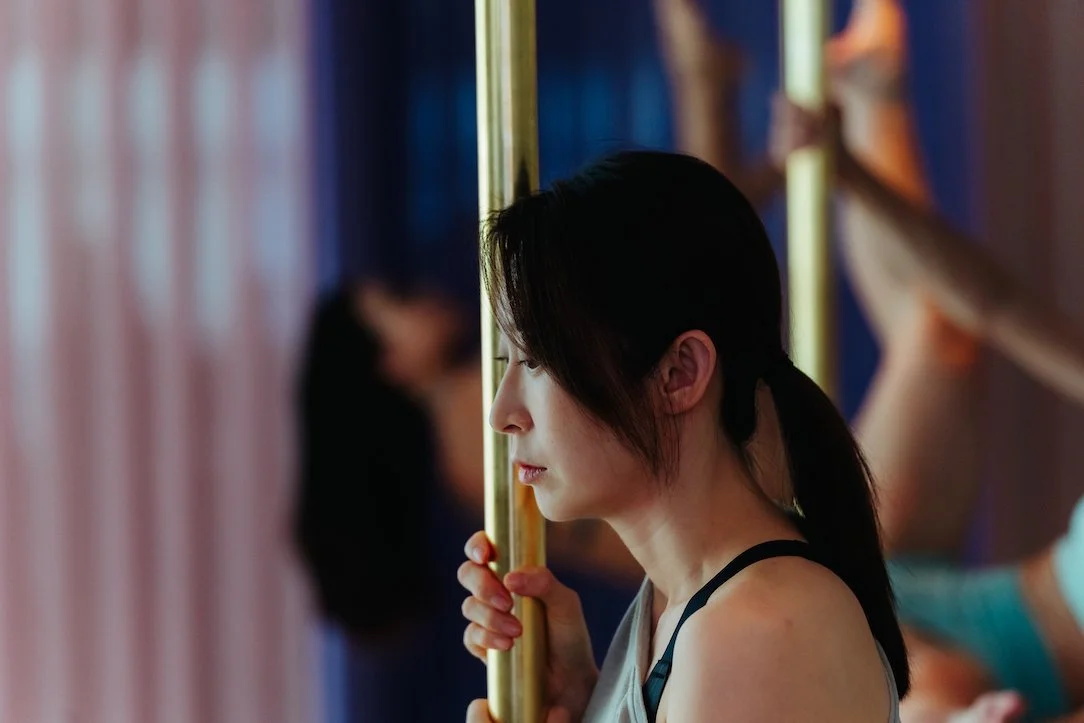
Debuting director Joey Wu Chui-yi’s Bird of Paradise | 媽樣年華 falls into that last category; Wu has cited Billy Elliot as an inspiration. Her tightly wound, slightly repressed hero is housewife and mother Mei-yuen (Catherine Chau Ka-yee, entirely relatable), who after impulsively signing up for pole dancing classes at Spinderella (no shit, a real studio here in the SAR) rushes back to the studio to cancel – but then changes her mind again and decides to stick with it. If you’ve seen any of those other films, you’ll know Mei-yuen is ultimately vindicated for taking up the “scandalous” hobby, at least according to her stick-in-the-mud husband, and energised in middle-age by rediscovered confidence. Familiar? Hell yes, but enjoyable to see play out nonetheless, mostly thanks to Chau.
Do not fuck with her abs
Like most Hong Kong films that premiere at an overseas film festival in order to be able to open here at home with a little credibility to give it a boost – We Are Born Good bowed in Toronto, Cyclone in Rotterdam, the forthcoming (we think) Dead End in Busan – Bird of Paradise got its premiere at New York Asian, by all accounts a receptive crowd for Mei-yuen’s transformation from “to love, honour and obey” into the physically, mentally and emotionally strong Amy, mistress of the pole way less interested in the “obey” part. Why pole dancing, a trend that’s been a non-trend for the 15 years since its moment back in the early to mid-2000s? Who cares? But maybe because it’s still got a lingering whiff skeeviness and is still associated with sex work, it makes for a solid visual metaphor and it looks cool. Anyone who can balance themselves on a vertical pole by pure force of abs? Respect.
Mei-yuen’s co-called reckless decision to sign up for pole dancing was a direct result of the proverbial straw. We meet her on an average morning in her tidy, efficiently appointed home, one of thousands of suffocating mornings like it. She makes breakfast for husband Ming (Peter Chan Charm-man), the aforementioned stick-in-the-mud, and son Hang (Jayden Cheung Dik-man) according to the rigid calendar and ingredient list Ming, a teacher, has commanded. He can’t understand her when Mei-yuen starts turning into Amy; she’s got all the time in the world to gossip over mahjong with her friends in between housekeeping and shopping. He’s got everything covered, but please refrain from sexual activity outside of Wednesdays from 9:30 to 10pm. Elsewhere, Amy’s mother Feng-mei (Elaine Jin Yan-ling, and I know we’re not supposed to comment but she looks utterly fabulous) is damning the torpedoes and hooking up with a much younger man and planning a hot air balloon trip, and Hang is dating one of Amy’s pole dance classmates, Shan (Yeung Nga-man, AKA ThaiMay).
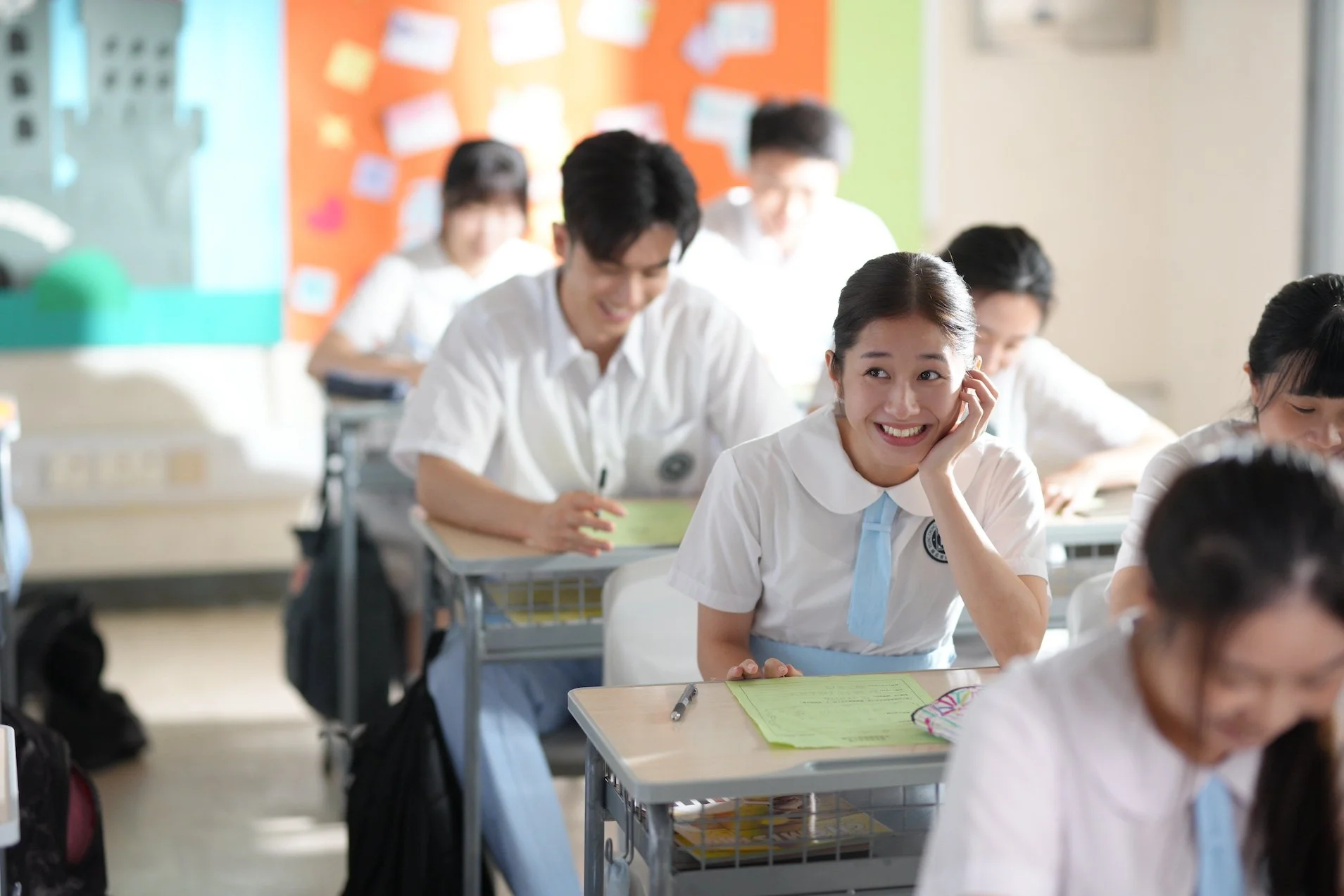
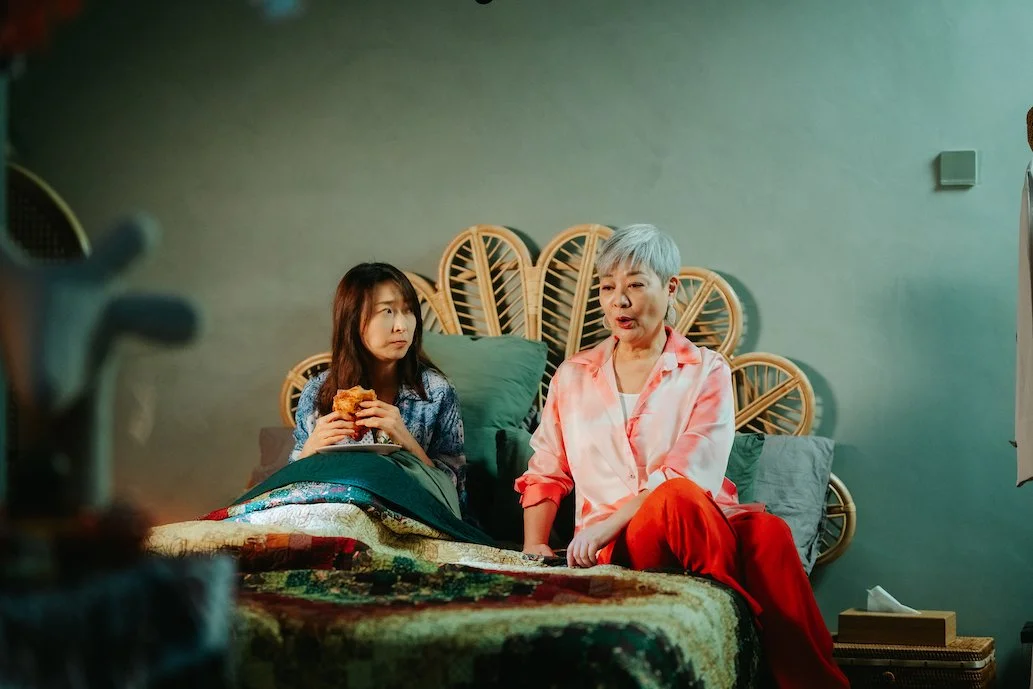
Is Bird of Paradise reliant on archetypes drawn in broad strokes to make a point? Yeah. Ming represents everything outdated, repressive and draconian about traditional gender ideals. He’s the head of the household, so he gets to tell everyone how to behave. He’s a teacher so it’s his job to make sure “wild” girls like Shan are pulled back on the straight and narrow – lest they turn into Feng-mei in old age. It’s Filmmaking 101 imagery but the point remains: Hong Kong women are still, in 2026, subject to a set of standards and expectations that are no longer relevant. And the three generations at the heart of the story are each put on gentle blast at some point for daring to embrace their agency, identities, creativity and to a degree, their sexuality. Harriet Yeung (Finch & Midland) drops in for a glorified cameo as a slinky lingerie boutique boss who tells Amy to fuck that shit and put on a strappy bra and underwear set if she feels like it, in a few short minutes serving body confidence and ownership (and can someone put Yeung in more movies please, thanks). The story unfolds as you’d expect – there are accidental discoveries, sly allyships and revelations that make everyone a better person – but Chau puts the film on her back and carries it across the finish line. She’s fun and goofy and awkward, but also recognisable, and you want to be outraged for her, but also supportive. As a director Wu – who can be lumped with Kane Parsons (21) and Curry Barker (26) as a demonstration of the recent emergence of young directors – feels like a rookie and has a way to go in terms of filmmaking, but she certainly doesn’t suffer a lack of shit on her mind.