
If a film about killing fleeing families and genocide needs to be this manipulative, we’re in huge trouble.
The Voice of Hind Rajab
Director: Kaouther Ben Hania • Writer: Kaouther Ben Hania
Starring: Saja Kilani, Motaz Malhees, Amer Hlehel, Clara Khoury
Tunisia / France • 1hr 29mins
Opens Hong Kong May 21 • IIA
Grade: B+
In case you missed it, on January 29, 2024, five- (some say six) year-old Hind Rajab was fleeing her north Gaza Tel al-Hawa neighbourhood when the car she and six family members were in was blasted with 335 Israeli army shells. With everyone around her dead, somehow the kindergartener got through to a Red Crescent (like the Red Cross) call centre way over in Ramallah, and spent three hours on the phone telling the dispatch volunteers that she was scared, that there were tanks coming right at her, and could someone please come get her. When rescue workers were finally granted permission – permission – to go get the kid their ambulance was blow away too. It wasn’t until 12 days later that her mother was able to confirm she was dead, along with eight other civilians.
Tunisian filmmaker Kaouther Ben Hania (The Man Who Sold His Skin) doesn’t even try to be anything other than confronting, and some would say manipulative, in The Voice of Hind Rajab, 90 minutes of in-your-face war criming designed to transform the ongoing attempted genocide in Gaza into something we’ll finally truly understand. Ben Hania uses the recording of the actual call Hind Rajab made on that afternoon, the one that chronicled her murder and frequently the stressed out – and futile – assurances the dispatchers spent hours giving her. No doubt about it, The Voice of Hind Rajab is affecting, but there’s a unsettling ethical quagmire it’s hard not to wade into while watching. Like a T&A slasher film, is it condeming and commenting on its material or is it somehow revelling in it? In Hind Rajab, is Ben Hania amplifying the inhumanity or exploiting it for long distance tears?
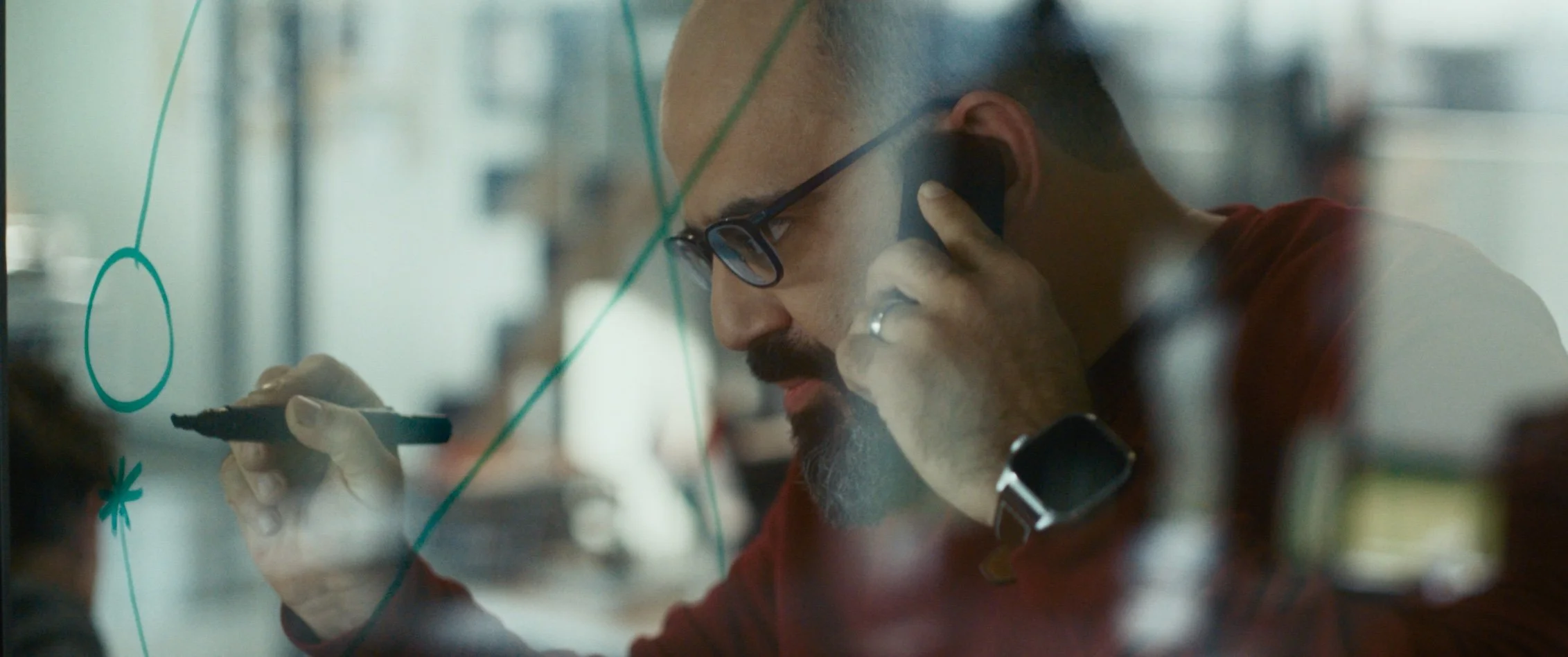
The shittiest job in Ramallah
The Voice of Hind Rajab isn’t the first, and it won’t be the last, bit of mainstream narrative filmmaking that adopts a mainstream storytelling framework – like horror, action or fantasy – to serve as an entry point into a thorny subject; to use as a way to explain complex dynamics most of us can’t wrap our heads around. Think of Guillermo del Toro’s Pan’s Labyrinth and its fantastical parable for fascist Spain and encroaching authoritarianism, or Coralie Fargeat’s bloody, feminist rape revenge odyssey, erm, Revenge, or literally anything by Paul Verhoeven at his peak (RoboCop). There’s a fine line between subversion and exploitation and your appreciation of Hind Rajab will depend on which side of the fence the film falls for you.
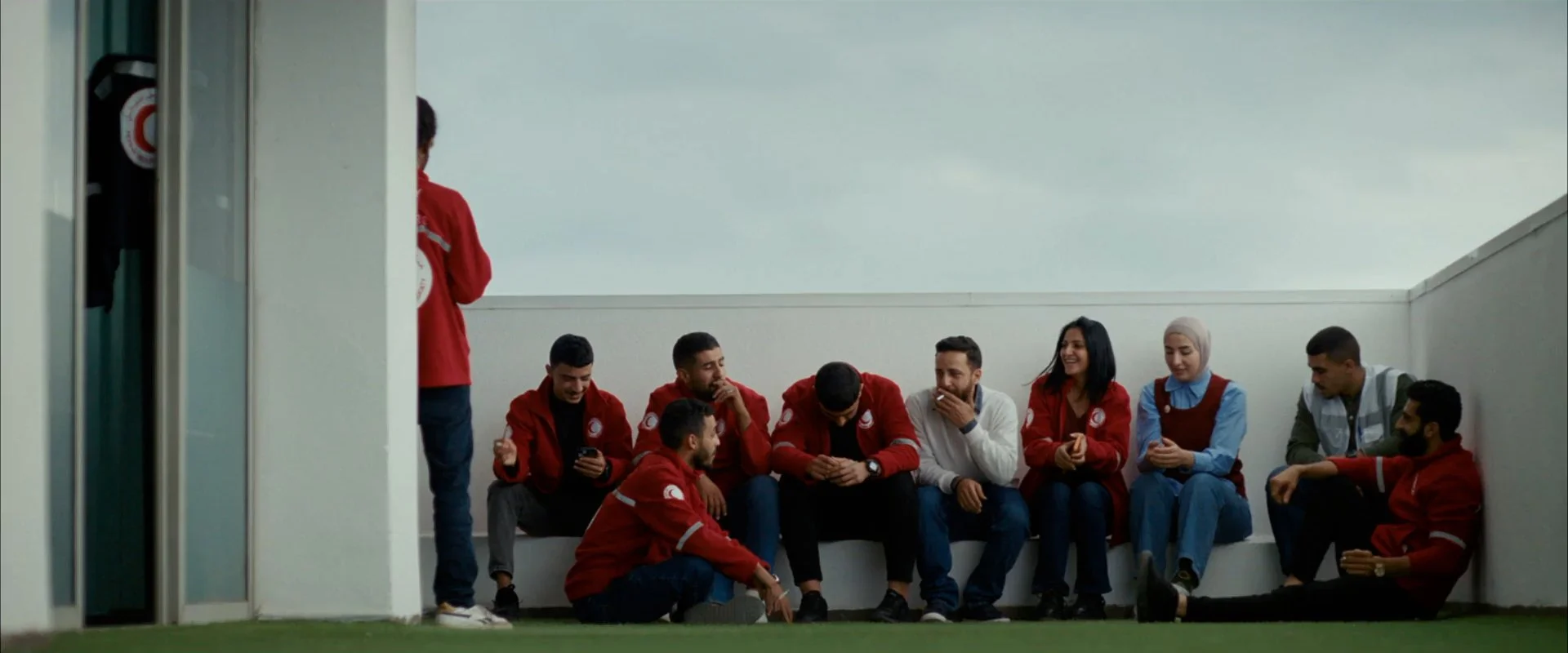
In between, and often cleverly juxtaposed on top of, the real 999 recording a cast of almost entirely expat-Palestinian actors brings the call centre workers to life. The action never leaves that office, setting Hind Rajab up as something of a thriller and a way to keep the audience engaged. It comes this close to a screen life movie, which can be hit and miss – mostly miss. We start near the end of shift with a supervisor type, Rana (Saja Kilani), checking in on the crew one last time before she heads home. One of her operators is Omar (Motaz Malhees), a quiet everyday Joe who, just as Rana is heading out the door, picks up a call from Hind Rajab’s car. It’s a cousin, explaining they’re trapped near a gas station and under fire. The call cuts off, next thing you know a relative is calling from Germany saying the family is on the road, and Omar is frantically demanding Rana stick around and help him on this. When Hind calls back, everyone in the car is dead, and Omar’s impossibly-positioned boss Mahdi (Amer Hlehel) starts scrambling a rescue crew, with the office counsellor Nisreen (Clara Khoury) on hand for when tempers invariably flare and Hind needs a steadier voice.
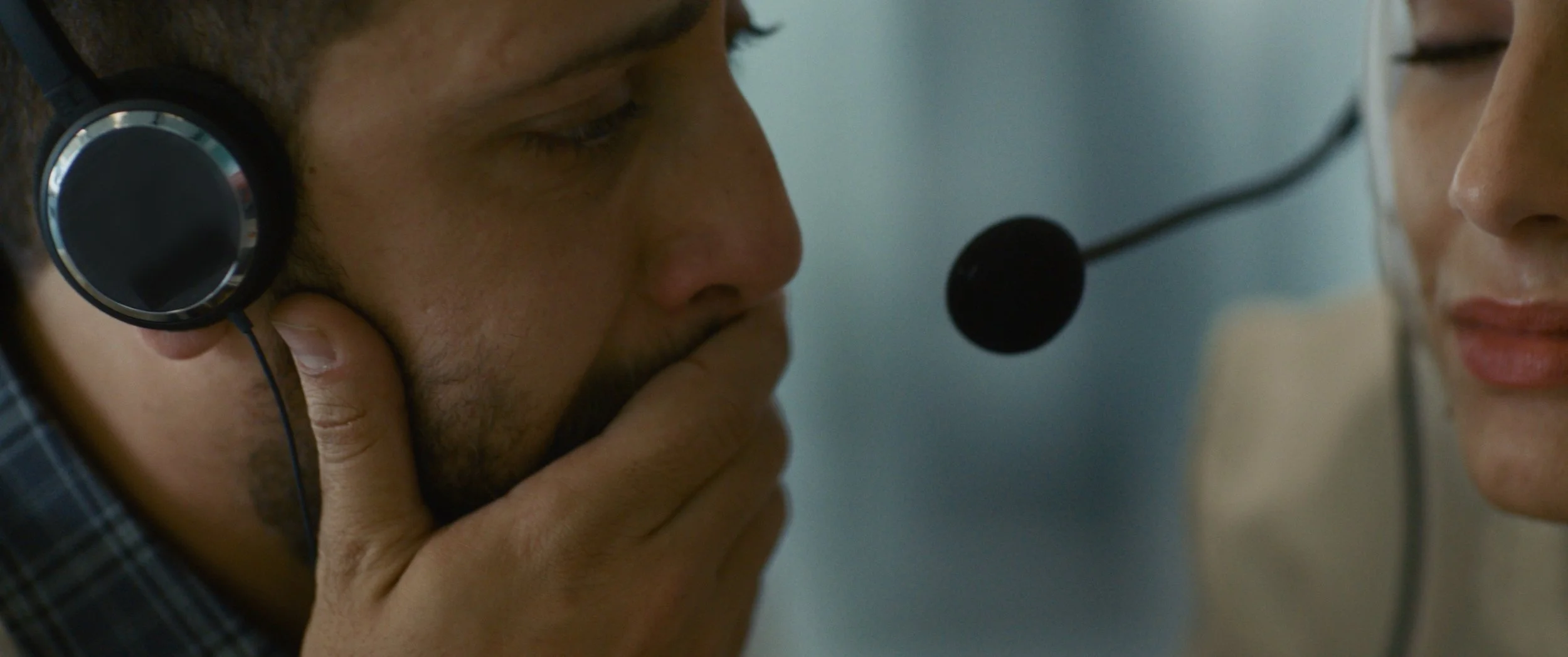
The Voice of Hind Rajab is predicated, I dare say it relies, on the commonly held belief that children are somehow sacred, that they deserve more consideration than anyone else in an ugly situation, and that their deaths are more tragic. That every single one of the limited resources and EMTs with crucial skills should march into the line of fire for one child. That’s where much of the film’s manipulation stems from. And in truth hearing the squeaky, unformed voice of a six-year-old talking about a tank right beside her set to a soundtrack of heavy artillery fire is sickening, infuriating and, yes, heartbreaking. But she would work just as well as a symbol, and as a movie Hind Rajab is on the hook to create drama and tension, which often clangs with reality (there are two shorts that explore this same incident, Syrian-Dutch filmmaker Amir Zaza’s doc Close Your Eyes Hind and Jordanian-Palestinian director Naji Salameh’s Hind Under Siege). Kilani does a graceful, understated job as a woman trying to keep it together and put on a brave face for a scared girl, even as she maintains perfectly matched lipstick and nail polish. However when Malhees and Hlehel begin their histrionics, it pulls focus from the crime unfolding in real time and lets us indulge in facile good guy versus bad guy sqauding. I’m sure the debates happened. I’m not sure we need so much melodrama, but let’s face it. There are a lot of idiots out there. Overall the film’s creeping ferocity makes its point efficiently and with the kind of gut-punch the subject deserves. If the vaguely distasteful use of the real pleas of a child in a war zone is what it takes for us all to get a fucking clue, then maybe that says less about Ben Hania’s creative choices than it does about the rest of us.