
Image is Everything
Nice to see Herman Yau working out some old muscles.
We’re Nothing at All
Directors: Herman Yau • Writer: Herman Yau
Starring: Anson Kong, Ansonbean, Patrick Tam,
Hong Kong • 2hrs 8mins
Opens Hong Kong April 3 • III
Grade: B+
Despite outward appearances, writer-producer-director Herman Yau Lai-to’s We’re Nothing at All | 我們不是什麼 is not an LGBTQ+ movie, and it’s not meant to be. The couple at the heart of the story, de facto unemployed construction worker Fai (a MIRROR, Anson Kong Ip-sang) and artist and occasional hustler Ike (Ansonbean, AKA Anson Chan Ngai-san, The Lyricist Wannabe) are there to provide the armour for Yau’s intentional, frustrated, angry and humanist social drama – one that’s dressed up like a gnarly crime thriller that recalls the titanic Cat III director’s best. In fact, We’re Nothing at All may be his best; it’s certainly his best after a string of diversionary Shock Waves, Customs Frontlines and Moscow Missions. Entirely self-financed, We’re Nothing is the evolved version of the brave, bracing and darkly comic (this has its moments Hongkongers will chuckle at) films Yau churned out during his exploitation glory days, now buoyed by a veteran’s savvy and huge DGAF energy. Fundamentally a Hong Kong story with plenty of widespread, entirely justified, resonant grievances baked into the narrative – about labour exploitation, stagnating (or backsliding) progress on LGBTQ+ rights, the widening wealth gap, powerlessness and unaddressed or dismissed traumas – it’s a film very much of its moment considering we appear to be hurtling towards a collective breaking point.
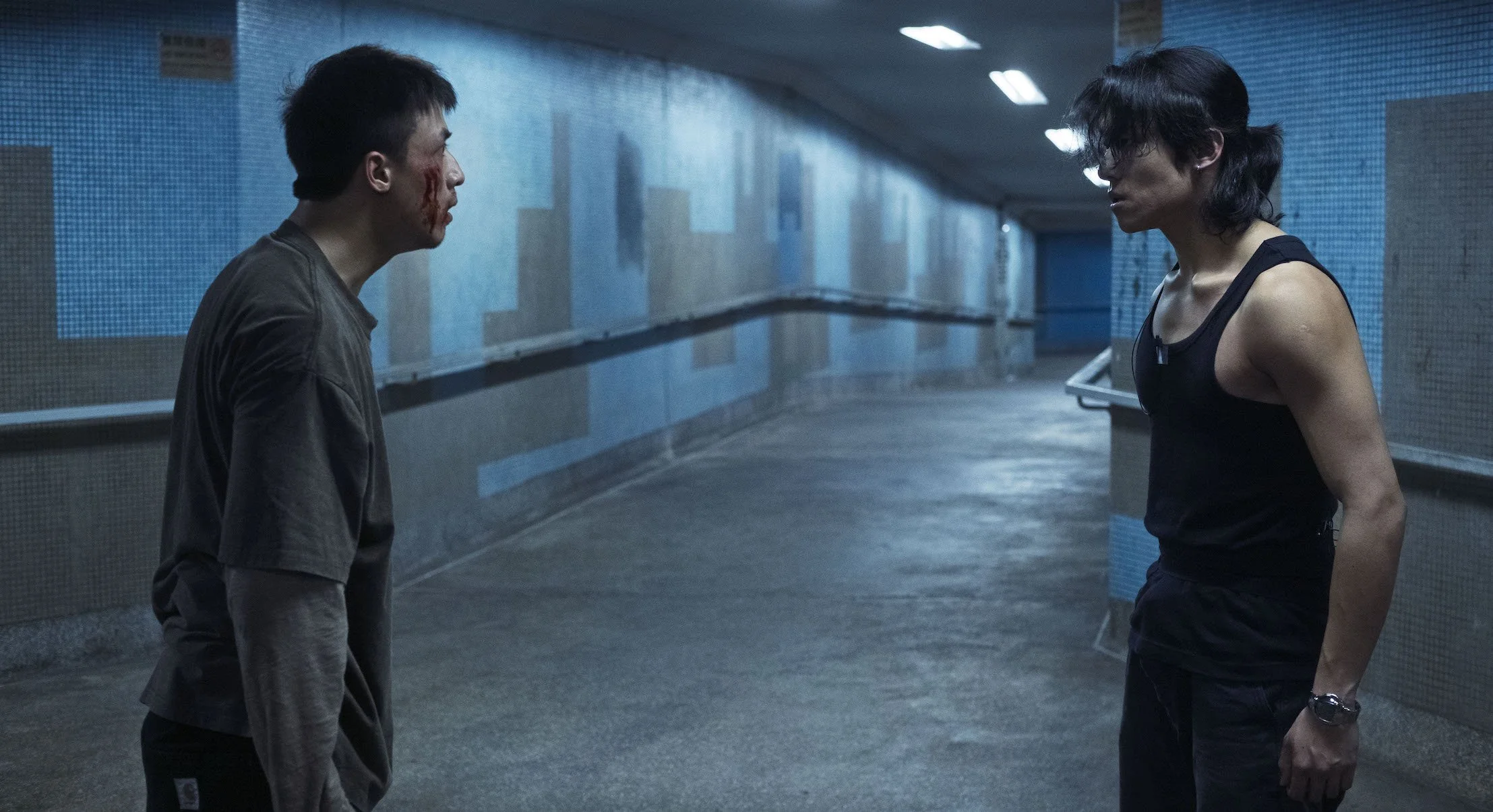
Nice tunnel
Dual DOPs Derek Siu Hing-wa (Measure in Love) and Mandy Ngai Man-yin (a camera op on Crisis Negotiators) bathe the visuals in an alternating steely blue and skuzzy sepia wash that makes it look and feel as if the world were pressing down on Fai and Ike (pronounced the Japanese way, not the Eisenhower way) at every turn – which it really is. The story begins with Fai trying to stage a one-man protest at the construction site he works at, the one that hasn’t paid him or any of the crew in weeks. Take it up with the labour department the cops tell him under threat of arrest, so it’s back to his squalid sub-divided flat, where he tries to collect some cash that’s owed him, only to be gaslighted into believing he’s being a pest for asking. Elsewhere, Ike is trying to make a go of it as an artist and turning tricks on the side to make ends meet. He’ll need the money too, because after he starts seeing Fai, his father throws him out of the family home. His sympathetic, non-asshole sister (Rachel Leung Yung-ting) tries to help him out, but she’s pregnant and has other worries.
These are all details of the story that Yau gradually reveals as mostly retired forensic hotshot Lung (Patrick Tam Yiu-man) and his assistant (Wong You-nam) discover over the course of their investigation into the fiery Valentine’s Day bus bombing in Kowloon that starts the film, a bombing that killed 17 people and threw human meat all over a the street. Good ol’ Herman didn’t let us down.
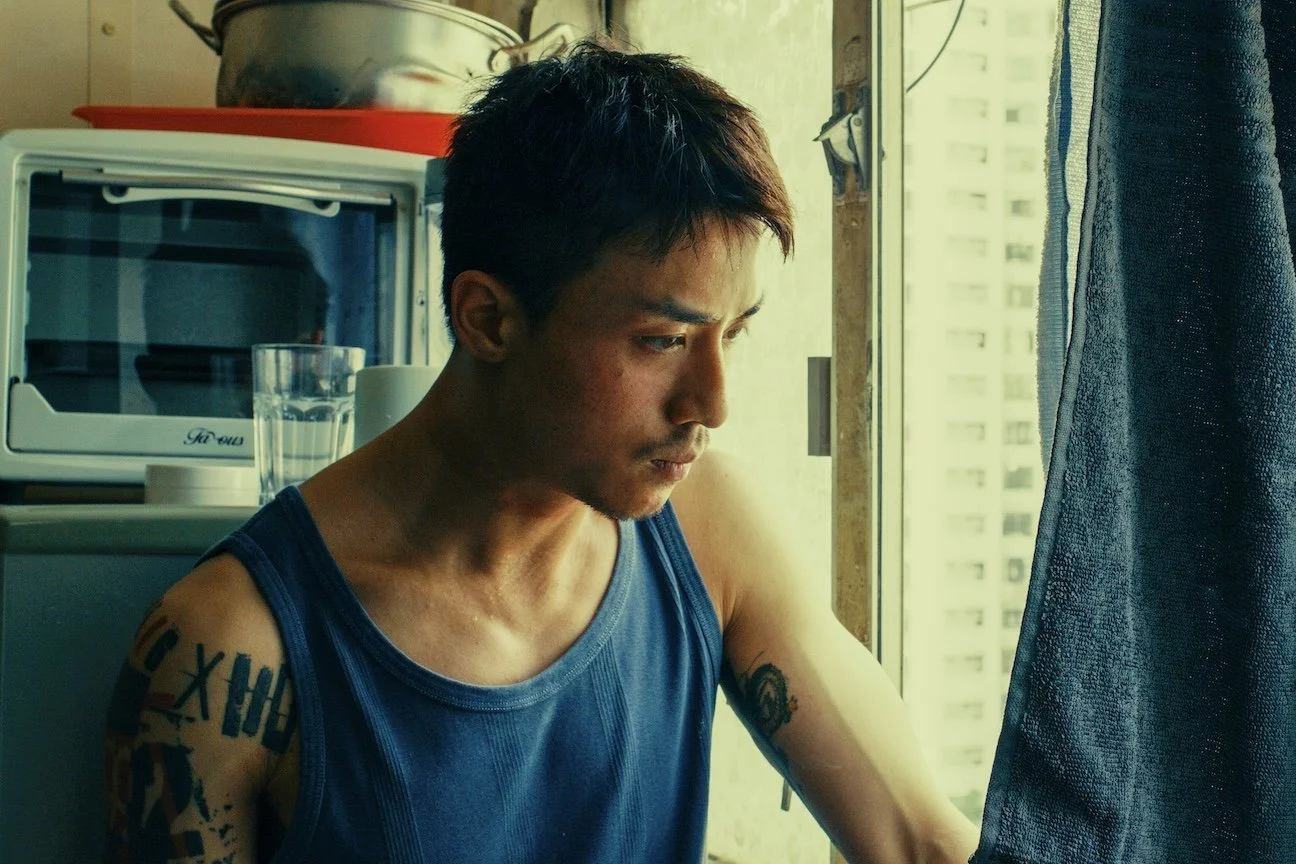
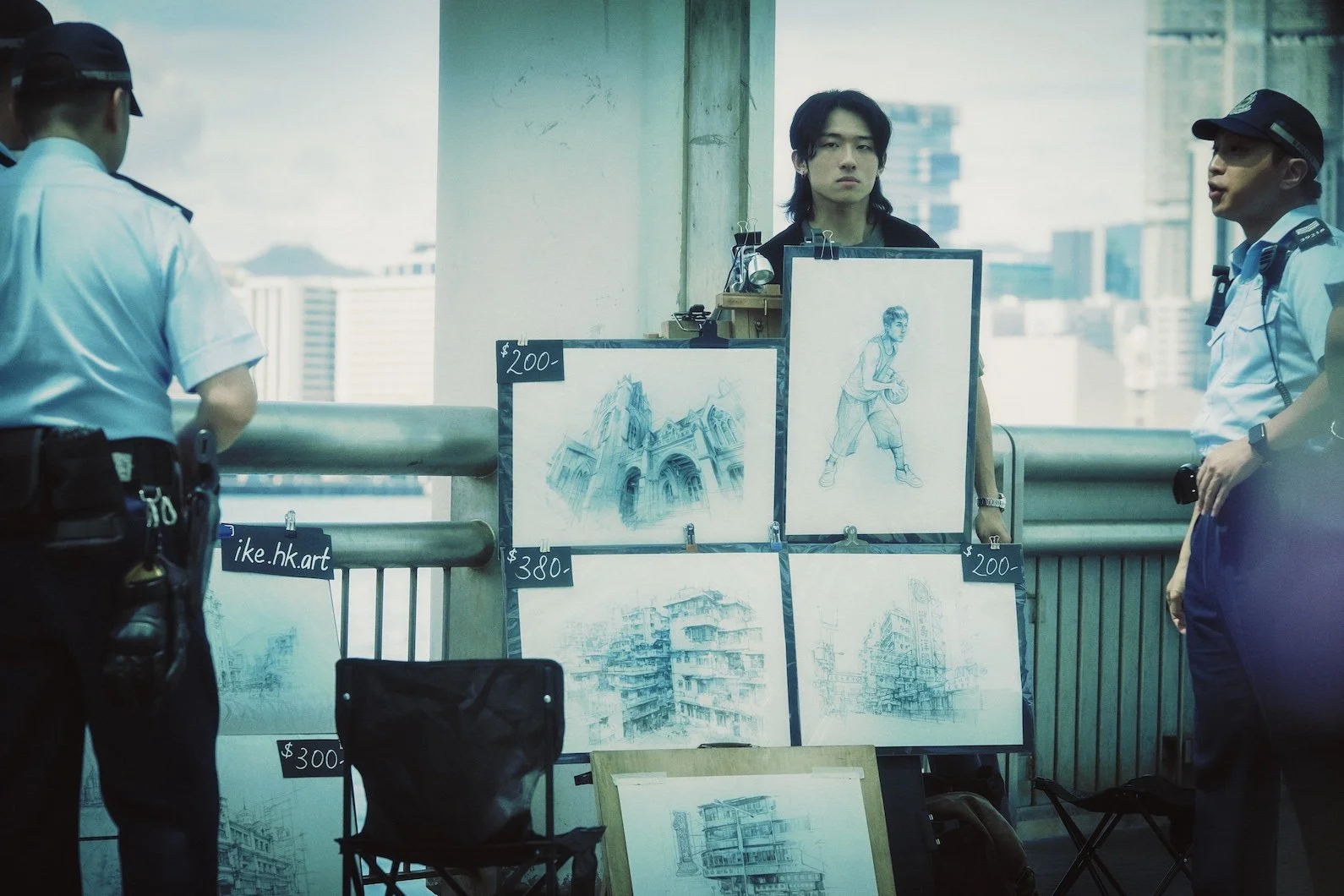
That sounds like a rote mystery thriller but We’re Nothing at All has a great deal on its mind about marginalisation, economic despair and power than it may appear at first blush; the blown-off legs, charred bodies, viscera and blasted bus frame do get in the way but the genre gore is just the skeleton Yau hangs the drama off. Without giving too much away, watching Fai and Ike’s growing rage is both recognisable (people who put their bare feet on bus seats are demonic) and cathartic, and Yau has woven contemporary frustrations that usually have no recourse into the fabric of the story; Lung’s brought back because the police needs him, though they’d rather he weren’t so gay. Fai’s deadbeat father (Ben Yuen Foo-wah) is abusive, yet his mother’s at fault for her drug use. It’s impossible to pull on a thread without finding another one. Tam and the Ansons (no shit) are vivid and nuanced in their performances, frequently over the top in a way that brings various issues into sharp relief while never making overt statements about any. It’s genius, and Yau, Siu and Ngai also make the most of urban spaces that tell the story in carefully composed pictures. There’s a twisted kind of Thelma & Louise-y happy ending for Fai and Ike in their tragic end, and it will sit with you even if your knee-jerk reaction to We’re Nothing at All is “That was garbage!” (that was mine). It’s not. It just takes a minute to reveal itself, and when it does you’ll stand up and give Herman the fist-pump he deserves.